Pakistan's Diplomatic Triumph: Islamabad Brokers Historic US-Iran Peace Deal, De-escalating Mideast Tensions
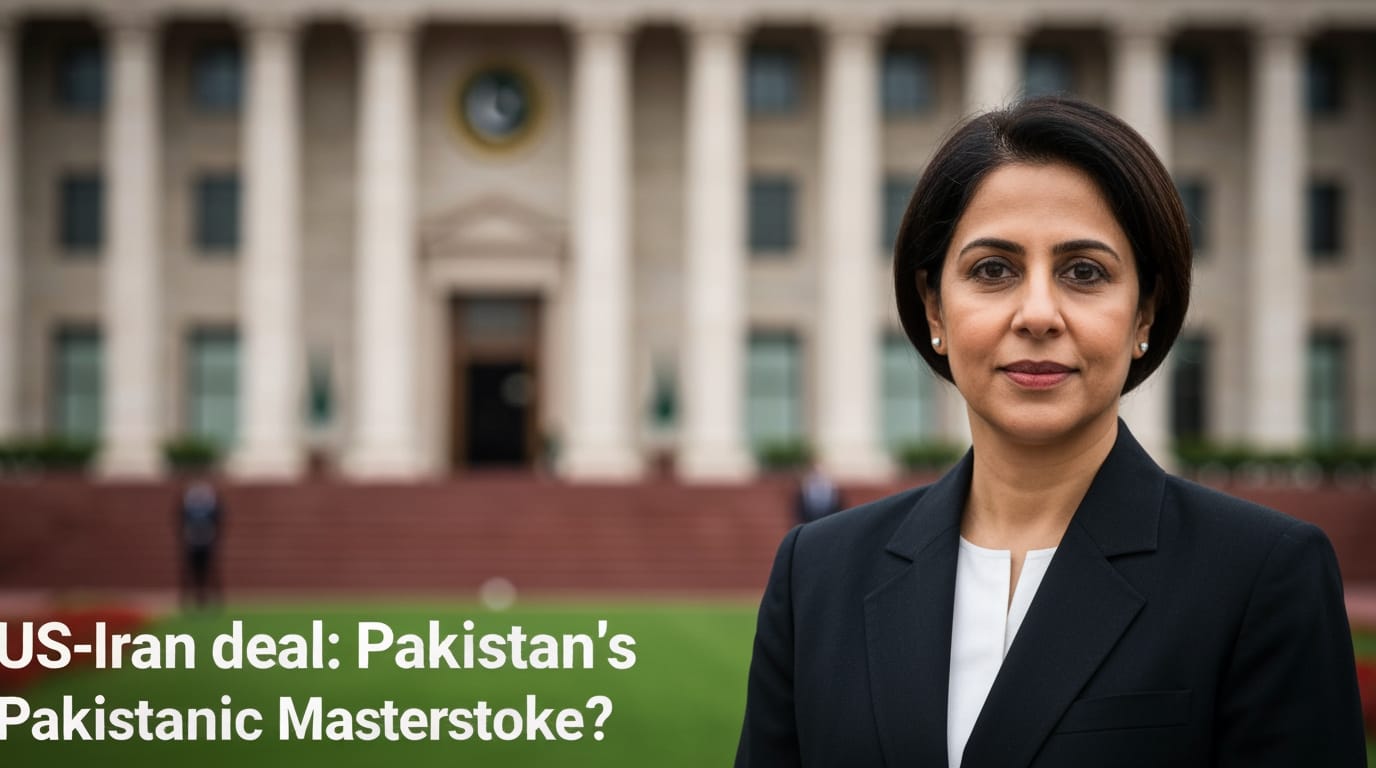
In a significant diplomatic breakthrough reverberating across global capitals, Pakistan has successfully mediated a landmark peace framework between the United States and Iran, bringing a fragile but hopeful end to months of escalating hostilities that threatened to plunge the Middle East into wider conflict. The "Islamabad Memorandum of Understanding," signed on June 19, 2026, in Switzerland, stands as a testament to Pakistan's sustained and intricate "switchboard diplomacy," profoundly reshaping its international standing from a regional player to a pivotal facilitator of global peace.
The path to this agreement was fraught with peril, beginning with a dramatic escalation of tensions earlier this year. On February 28, 2026, joint US-Israeli airstrikes targeted Iran, leading to the reported death of Supreme Leader Ayatollah Ali Khamenei and other high-ranking officials. Iran retaliated swiftly and forcefully, launching missile and drone attacks against Israel and several Gulf states, including Saudi Arabia. This immediate cycle of violence rapidly spiraled into a broader crisis, encompassing military confrontations, severe maritime security threats, and disruptions to global energy markets, particularly in the strategically vital Strait of Hormuz. International alarm grew as the prospect of an uncontrollable regional war loomed large, demanding urgent and credible mediation.
Islamabad's Quiet Diplomacy Takes Center Stage Amidst Regional Turmoil
Amidst the intensifying crisis, Pakistan emerged as an unlikely yet uniquely positioned mediator. Historically, Pakistan has maintained a delicate balance in its relations with both the United States and Iran. While a key US partner, Pakistan notably hosts no American military bases on its soil, a factor that significantly enhanced its perceived neutrality by Tehran. Furthermore, Iran was the first country to recognize Pakistan's independence, forging a foundation of historical mutual trust. Critically, Pakistan has continuously housed Iran's Interests Section in Washington since the severing of US-Iran diplomatic ties in 1979, providing a stable, albeit often quiet, channel for communication between the estranged adversaries.
This unique diplomatic standing allowed Islamabad to activate its extensive networks when direct communication between Washington and Tehran became impossible. Under the leadership of Prime Minister Shehbaz Sharif and Field Marshal Syed Asim Munir, the Chief of Army Staff, Pakistan embarked on an intense period of what has been dubbed "switchboard diplomacy." Their efforts involved continuous consultations across multiple capitals, seeking to bridge the profound trust deficit and coordinate positions between the warring parties. Initially, some observers questioned Pakistan's effectiveness, especially when initial formal mediation talks faced challenges, including reports of Iran dismissing the concept of formal Pakistani mediation. However, Islamabad's resolve remained unwavering, and its persistent, behind-the-scenes engagement ultimately proved decisive.
Forging the Islamabad Memorandum: Key Milestones and Terms
The first tangible sign of progress came in early April 2026. Following weeks of intense, largely unseen negotiations, Pakistan's sustained mediation bore fruit: a two-week ceasefire was announced on April 7. This crucial de-escalation, which notably included a cessation of hostilities in Lebanon, provided a much-needed breathing space and paved the way for structured negotiations.
Islamabad then played host to the initial rounds of talks, bringing together representatives from the US and Iran. This period saw Pakistan facilitating critical high-level discussions, often shuttling messages between delegations and working through numerous near-collapse scenarios. Field Marshal Asim Munir was credited with making crucial calls in the days leading up to an April 8 deadline, preventing the nascent peace process from derailing.
The momentum culminated in the formalization of the "Islamabad Memorandum of Understanding." On June 19, 2026, at the Lake Lucerne Summit in Switzerland, US Vice President JD Vance and Iranian officials, with Pakistan and Qatar as co-mediators, signed a framework agreement aimed at ending the conflict. The terms of this groundbreaking deal include:
- An immediate and permanent termination of military operations across all fronts.
- The reopening of the strategically vital Strait of Hormuz to commercial traffic, a critical step for global energy supplies.
- The immediate lifting of the US naval blockade on Tehran.
- Establishment of a 60-day roadmap for further technical negotiations on crucial, long-term issues such as sanctions relief, Iran's nuclear program, and the release of frozen Iranian funds.
This framework agreement is viewed as a significant first step, with continued technical talks expected to solidify the peace. Pakistan, alongside Qatar, affirmed its commitment to ensuring these negotiations proceed constructively towards a comprehensive final deal.
A New Era for Regional Stability and Pakistan's Elevated Stature
The successful mediation of the US-Iran peace framework has garnered widespread international acclaim and is widely regarded as a profound diplomatic victory for Pakistan. World leaders, including UN Secretary-General António Guterres, Turkish President Recep Tayyip Erdoğan, British Prime Minister Keir Starmer, and French President Emmanuel Macron, have lauded the agreement and specifically credited Pakistan's "constructive role." US President Donald Trump himself publicly thanked Prime Minister Sharif and Field Marshal Munir, acknowledging their central role in defusing the intense conflict.
This achievement has fundamentally shifted Pakistan's international perception. Once often viewed through the lens of regional instability and domestic challenges, Pakistan is now being recognized as a vital, trusted facilitator capable of leveraging its unique geopolitical position to foster peace in complex international disputes. The reputational gains are substantial, offering long-term strategic advantages including potential for increased foreign investment and strengthened diplomatic ties, particularly with the United States. The decline in global oil prices following the agreement also signals immediate economic relief, with Prime Minister Sharif noting the direct benefit for the Pakistani populace.
In the wake of this "biggest diplomatic win in years," Pakistan has demonstrated that middle powers, possessing crucial diplomatic access across rival camps, can play indispensable roles in de-escalating conflicts and shaping global outcomes. While the implementation of the comprehensive peace deal will require sustained effort over the next 60 days and beyond, Islamabad's masterstroke has undeniably ushered in a new era of potential stability for the Middle East and significantly enhanced Pakistan's diplomatic leverage on the global stage.


