Palestinian Legislative Elections Set for November 28, Ending Two-Decade Stalemate
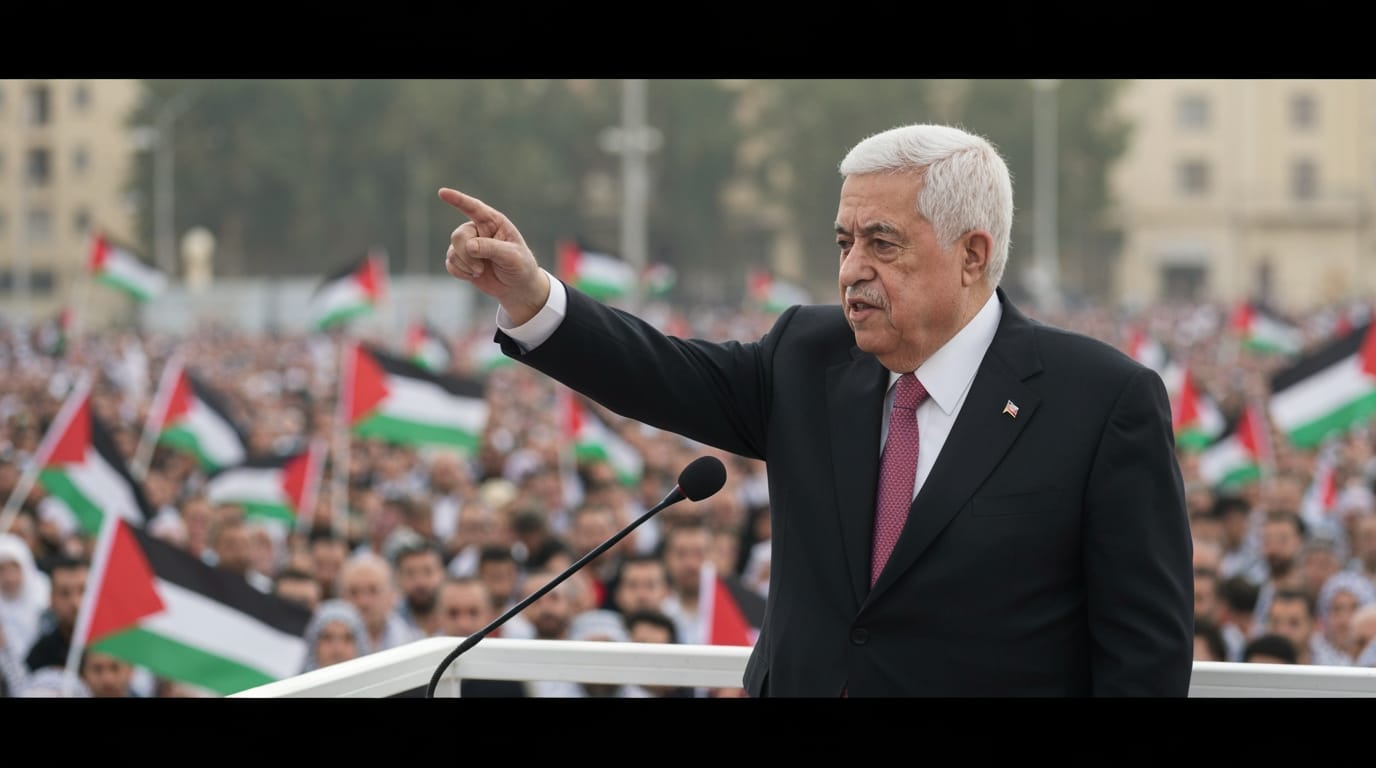
Ramallah – Palestinian Authority President Mahmoud Abbas has issued a decree scheduling legislative elections for November 28, 2026, a move that could reshape the political landscape of the Occupied Palestinian Territories after nearly two decades without a parliamentary vote. The announcement, confirmed by official Palestinian news agencies, calls for Palestinians in the West Bank, Gaza Strip, and East Jerusalem to participate in selecting members for the Palestinian Legislative Council (PLC). This critical step aims to reinvigorate a long-stagnant political system and address persistent calls for democratic reform from within and by the international community.
A Long-Awaited Return to the Polls
The forthcoming legislative elections would mark the first such vote since January 2006, when the Islamic resistance movement Hamas secured a surprise victory over the long-dominant Fatah party. That outcome led to a deep political rift, culminating in Hamas's takeover of the Gaza Strip in 2007, while Fatah continued to govern the West Bank. The ensuing division has left the Palestinian political system without a functioning, unified legislative body and a renewed popular mandate for nearly 20 years.
President Abbas, 90, has led the Palestinian Authority since the death of Yasser Arafat in 2004 and was elected president in 2005 for a four-year term that formally expired in 2009. Since then, presidential and legislative elections have been repeatedly postponed, with Abbas governing largely through presidential decrees. This prolonged period without elections has drawn criticism both domestically and internationally, fueling demands for a return to democratic processes. The current decree, issued under Decree-Law No. 1 of 2007 on general elections, signifies a concrete step towards potentially ending this political paralysis.
Navigating Historical Divisions and Recent Hurdles
The decision to hold elections comes at a particularly tumultuous time for the Palestinian Authority, which faces mounting pressure to reform its institutions amidst significant challenges in the occupied West Bank and the ongoing humanitarian crisis in the Gaza Strip following recent conflicts. Previous attempts to hold elections have faced substantial obstacles. Most notably, a planned vote in 2021 was abandoned by Abbas, who cited Israel's refusal to guarantee voting access for Palestinians in East Jerusalem, which the Palestinian Authority envisions as the capital of a future Palestinian state. Securing Israeli cooperation for voting in East Jerusalem remains a key hurdle for the upcoming elections.
The historical split between Fatah and Hamas, which has persisted since 2006, also casts a long shadow over the electoral process. The inclusion of the Gaza Strip in the planned vote, along with the West Bank and East Jerusalem, indicates an aspiration for a more unified mandate, though the practicalities of conducting elections across these fragmented territories remain complex. Despite the internal divisions, the international community has consistently called for elections as a means to foster greater legitimacy and accountability within Palestinian governance.
Implications for Governance and International Relations
The scheduled legislative elections hold significant implications for the future of Palestinian governance and its standing on the international stage. A successful and widely accepted election could provide a much-needed renewed mandate for Palestinian leadership, potentially strengthening its ability to address the aspirations of its people and engage more effectively in regional and international diplomacy. The absence of a legitimate legislative body has hindered internal political development and has been a source of instability.
Internationally, holding elections is considered a crucial element of the reforms demanded by global partners who provide financial support to the Palestinian Authority. It could also influence perceptions of Palestinian self-determination and the viability of a future state. Furthermore, the outcomes could impact the dynamics of future negotiations with Israel, as a newly elected, representative leadership would theoretically possess a stronger popular mandate. Beyond legislative elections, presidential elections are also anticipated, with an announcement expected in the first quarter of 2027.
The Path Ahead: Hopes and Challenges
The announcement of elections has been met with a mix of hope and apprehension. For many Palestinians, the opportunity to cast a ballot after such a long hiatus represents a chance to voice their concerns and contribute to shaping their political future. However, the path to November 28 is fraught with challenges, including logistical hurdles, potential security concerns, and the need for significant political will from all factions to ensure a free and fair process. Recent municipal elections held in April, which covered parts of the West Bank and one governorate in the Gaza Strip, reportedly saw low turnout, highlighting the voter apathy that can stem from prolonged political stagnation.
Ultimately, the successful execution of these legislative elections will depend on overcoming these formidable obstacles. It represents a critical juncture for Palestinian politics, offering a potential pathway toward renewed legitimacy, internal reconciliation, and a more robust democratic foundation for the Palestinian people. The world will be watching closely as the Palestinian Authority embarks on this significant democratic endeavor.


