Parthenon Sculptures: Will They Finally Return to Greece?
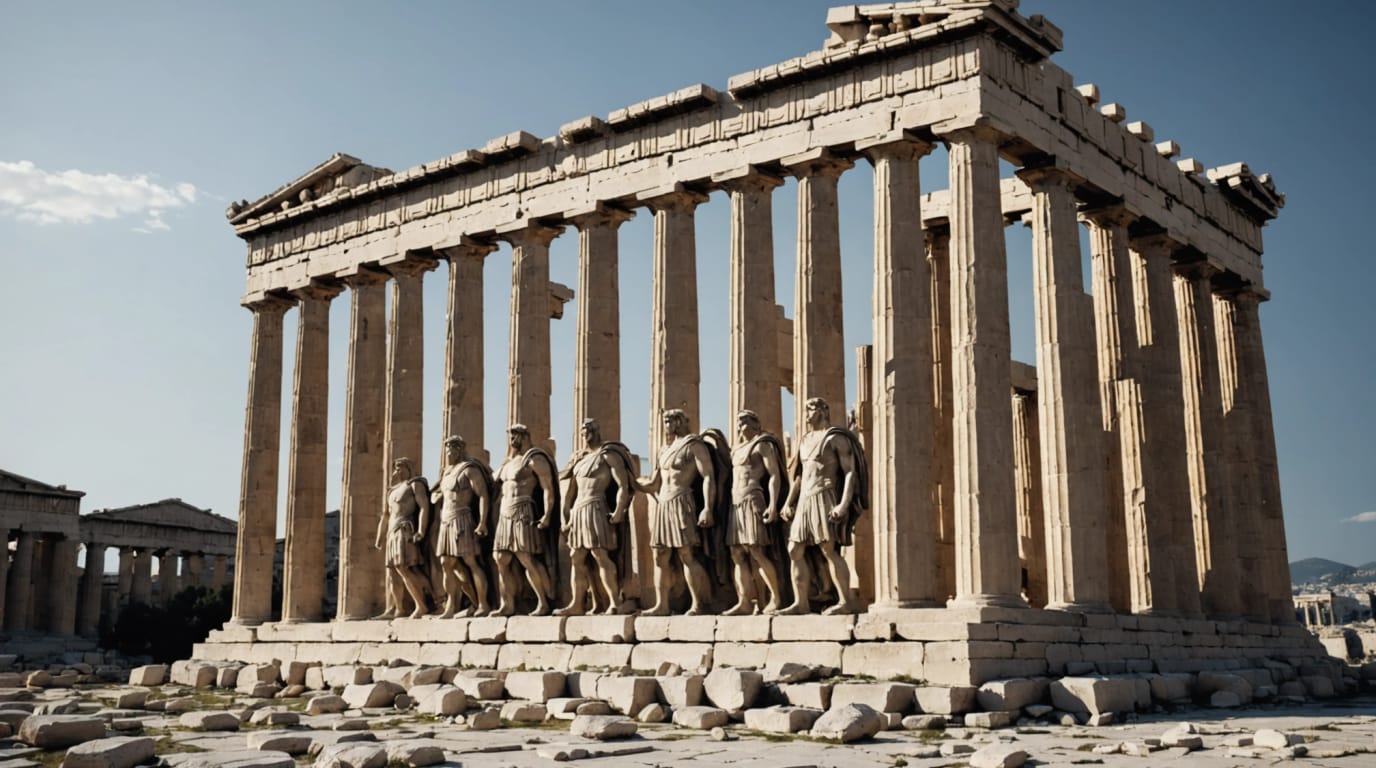
The fate of the Parthenon Sculptures, also known as the Elgin Marbles, remains a subject of intense debate and negotiation between Greece and the United Kingdom. For decades, Greece has sought the return of these iconic sculptures, which once adorned the Parthenon temple in Athens, arguing they are an integral part of their cultural heritage. The sculptures currently reside in the British Museum in London, sparking a long-standing international controversy over their ownership and rightful location.
A History Etched in Marble
The Parthenon, a temple dedicated to the goddess Athena, was constructed in the 5th century BC on the Acropolis in Athens. The sculptures, crafted between 447 BC and 432 BC, are considered masterpieces of classical Greek art. They consist of a frieze depicting the Panathenaic procession, metopes illustrating mythical battles, and figures of gods and heroes from the temple's pediments. The Parthenon served as a symbol of the power, culture, and wealth of the ancient Greek empire. Over centuries, the Parthenon has been a temple, a church, and a mosque, suffering significant damage, notably from an explosion in 1687 when it was used as an ammunition store.
In the early 19th century, Lord Elgin, the British Ambassador to the Ottoman Empire, removed about half of the surviving sculptures from the Parthenon and other structures on the Acropolis with permission from Ottoman officials who exercised authority in Athens at the time. Elgin transported the sculptures to Britain, where they were eventually acquired by the British Museum in 1816. The legality of Elgin's actions has been a point of contention ever since.
The Heart of the Dispute
The Greek government argues that the sculptures were obtained illegally or unethically during a period of Ottoman occupation and are of exceptional cultural importance to Greece. They contend that the sculptures' cultural value would be best appreciated in a unified public display with other major Parthenon antiquities in the Acropolis Museum in Athens, a modern museum built in 2009 specifically to house the sculptures that remained in Greece. The Acropolis Museum provides an in-depth view of the ancient history of the Acropolis and its surrounding religious sanctuaries and civic structures.
The British Museum maintains that the sculptures were acquired legally and form an integral part of its display of world cultural history. They argue that the museum provides a global context for the sculptures, allowing them to be viewed alongside artifacts from other ancient cultures. The British Museum also emphasizes its commitment to preserving and maintaining the sculptures for the benefit of a global audience. The British Museum is prohibited by law from deaccessioning items from its collection.
Navigating Legal and Ethical Complexities
The dispute involves complex legal and ethical considerations. Greece argues that the permission granted to Lord Elgin by the Ottoman government was illegitimate, as it was not the rightful representative of the Greek people. They also point to the damage caused to the Parthenon during the removal process.
The British Museum counters that the Ottoman government was the legitimate authority at the time and that Elgin's actions were investigated and deemed legal by a UK parliamentary inquiry in 1816. They also argue that the sculptures have been well-preserved in the British Museum and are accessible to a large international audience.
Some legal experts suggest that the 2022 Charities Act in Britain might offer a pathway for the museum to return the Marbles, as it allows trustees to return objects "if there is a compelling moral obligation to do so."
Public Opinion and Shifting Tides
Public opinion on the issue is divided, but recent polls suggest growing support in Britain for the return of the Parthenon Sculptures to Greece. A YouGov poll in December 2024 found that 53% of participants in the UK favored the return of the sculptures to Greece. Another YouGov poll in 2023 indicated that 64% of Britons supported returning the sculptures if other unique Greek artifacts were loaned to British museums in exchange.
In Greece, the return of the Parthenon Sculptures is a matter of national pride and cultural identity. The Greek government has placed an interactive voting machine at the Athens airport, allowing departing travelers to express their opinion on the issue.
Potential Resolutions and Ongoing Negotiations
Despite the complexities, negotiations between Greece and the British Museum are ongoing. A potential solution involves a long-term loan agreement where the British Museum retains ownership but allows Greece to display the sculptures in the Acropolis Museum. However, the Greek government has been hesitant to accept a loan, as it would imply recognition of the British Museum's ownership.
Another proposed solution involves a "deposit," where the British Museum retains ownership, but Greece has the right to use them without recognizing the ownership status. George Osborne, the British Museum's chairman, has expressed optimism about reaching a "win-win" deal with Greece.
Awaiting a Final Act
The Parthenon Sculptures remain a powerful symbol of cultural heritage and national identity. As negotiations continue, the world watches to see if these ancient treasures will finally return to their original home in Greece, reuniting them with the Parthenon and its rich history. The outcome of this dispute will not only impact the relationship between Greece and the United Kingdom but also set a precedent for the repatriation of cultural artifacts around the world.