Pergamon Museum Undergoing Monumental Transformation: A Decade-Long Restoration Project Reshapes Berlin's Cultural Landmark
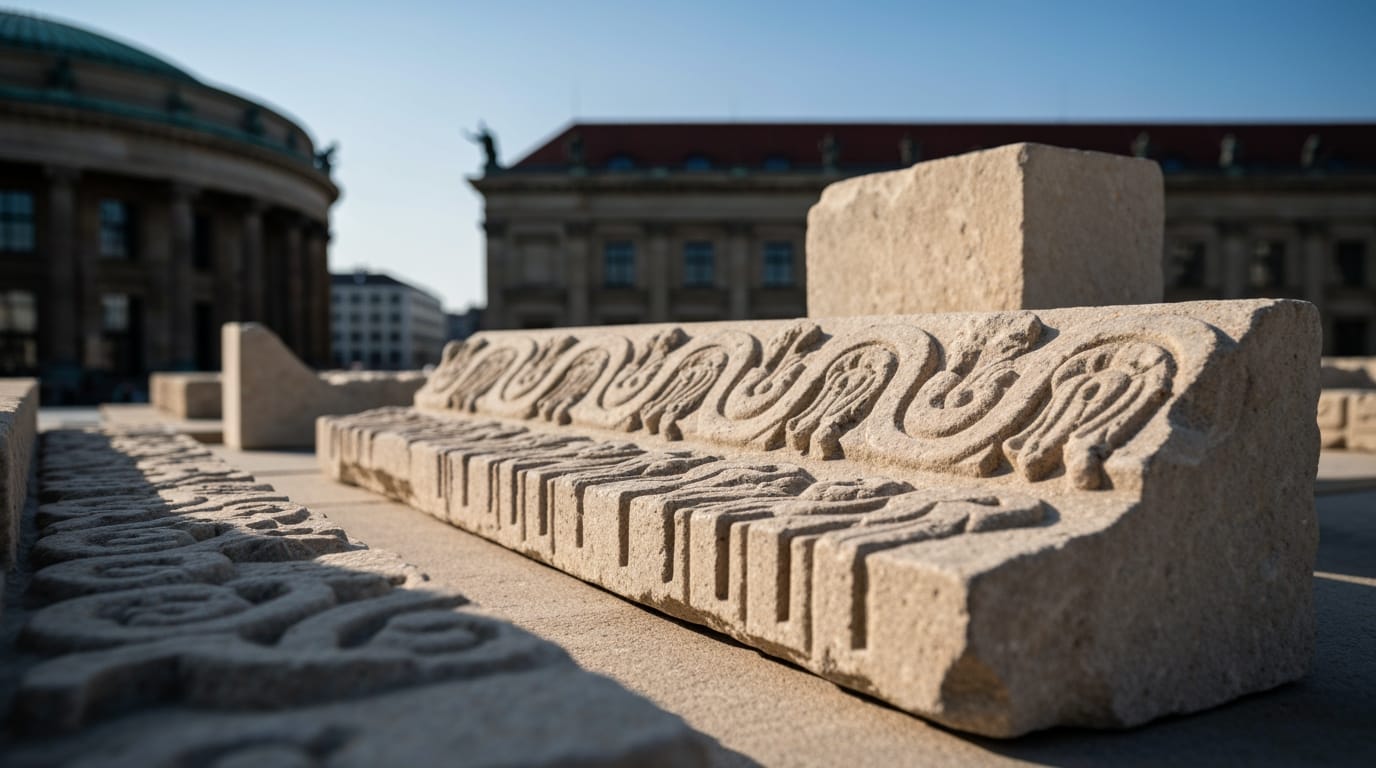
Berlin, Germany – The iconic Pergamon Museum, a cornerstone of Berlin's revered Museum Island, has embarked on an ambitious and extensive restoration project that promises to redefine its future while preserving its invaluable past. Fully closed to the public since October 23, 2023, this monumental undertaking is part of the larger "Museum Island Master Plan" and is expected to span well over a decade, with a projected full reopening around 2037, though some forecasts suggest it could extend to 2043. The multi-phase renovation, necessitated by aging infrastructure and the sheer scale of its ancient treasures, aims to modernize the historic building, ensure the long-term safety of its artifacts, and enhance the visitor experience for generations to come.
A Necessary Overhaul: Addressing Decades of Wear
The Pergamon Museum, constructed between 1910 and 1930, houses world-renowned collections from classical antiquity, the Ancient Near East, and Islamic art, attracting over a million visitors annually. Over the decades, the sheer weight of its colossal exhibits, such as the Pergamon Altar and the Ishtar Gate, coupled with environmental factors, led to significant structural deterioration. Reports indicated issues such as leaks during rainy weather and general structural instability, making comprehensive repairs imperative to safeguard both the building and its precious contents. Even an earlier, smaller building on the site, intended to house excavation finds like the Pergamon Altar friezes, suffered from inadequate foundations and had to be demolished.
The current restoration marks the museum's most significant closure in decades, signaling a critical phase in its existence. The renovation is not merely a cosmetic update but a fundamental overhaul designed to equip the museum for the 21st century, integrating state-of-the-art climate control, improved accessibility, and a more intuitive layout for visitors.
Phased Restoration and Spiraling Costs
The extensive renovation is structured in multiple phases. The first phase, which began as early as 2014, focused on the North Wing and the central section, an area that includes the Pergamon Altar. This section, along with the Museum for Islamic Art, is optimistically slated for a partial reopening in spring 2027. The second construction phase, commencing after the museum's full closure in October 2023, targets the South Wing, which previously housed the Ishtar Gate and the Market Gate of Miletus.
However, the project has been characterized by significant delays and escalating costs. Initially estimated at €261 million, the renovation's budget swelled to €477 million by 2016, and current projections place the total cost at around €1.5 billion or potentially even higher. These cost overruns and timeline extensions were partly attributed to unexpected discoveries, such as old concrete pumping stations beneath the museum, installed during its original construction between 1910 and 1930, which needed careful removal to reinforce foundations. The extensive nature of these structural interventions means that major sections like the Ishtar Gate and the Market Gate of Miletus will only be accessible again in the 2030s, once the South Wing is completed.
Beyond structural repairs, the restoration also includes ambitious architectural plans. These entail constructing an entirely new fourth wing and an underground "Archaeological Promenade" designed to connect several of the Museum Island's institutions.
Iconic Treasures Awaiting Rebirth
Many of the museum's most celebrated artifacts are directly impacted by the renovation. The Pergamon Altar, a monumental structure from the 2nd century BC depicting a battle between gods and giants, has been behind scaffolding and protective sheets for years. While the North Wing housing the altar is expected to reopen in 2027, visitors will have to wait longer for the full experience. Similarly, the dazzling Ishtar Gate of Babylon and the Market Gate of Miletus, reconstructed architectural marvels, require extensive work and will not be fully viewable until the later phases of the project are complete. The Museum for Islamic Art, currently housed in the South Wing, will eventually move to the renovated North Wing, offering a redesigned permanent exhibition in expanded spaces. Conservation teams are meticulously cleaning and restoring hundreds of objects, including the famous Aleppo Room, for this new setting.
This meticulous work underscores the commitment to preserving these irreplaceable pieces of human history, many of which were excavated by German archaeologists in the late 19th century and brought to Berlin under agreements with the Ottoman Empire.
Maintaining Engagement: Temporary Exhibitions
Recognizing the significant void left by the museum's closure, authorities have established temporary alternatives to keep the public engaged with its collections. The "Pergamonmuseum. The Panorama" exhibition, located opposite Museum Island, offers a unique experience. This dedicated space features a 360-degree panoramic artwork by artist Yadegar Asisi, depicting the ancient city of Pergamon in 129 AD, complete with a sound and light show. It also displays about 80 original sculptures and frieze reliefs from the Pergamon Altar, including the Telephos Frieze, and a 3D reconstruction of the altar, providing a glimpse of what lies within the main museum. This temporary exhibit was closed for a period in 2025, with a projected reopening in mid-October 2025. Additionally, some artifacts from the museum's collections may be loaned out or featured in other temporary exhibitions in Berlin, and virtual tours of the Vorderasiatisches Museum's collection are available online.
The Long-Term Vision for Museum Island
The restoration of the Pergamon Museum is not an isolated project but an integral component of the larger Master Plan for Museum Island, a UNESCO World Heritage site. This comprehensive strategy aims to modernize, preserve, and physically connect the five world-renowned museums on the island. The ambitious scale of the Pergamon's restoration reflects its central role in Berlin's cultural landscape. When completed, the transformed museum is expected to offer an enhanced experience with state-of-the-art preservation technologies, improved navigation, and newly designed exhibition spaces. While the extended closure presents challenges for tourism and access to cultural heritage, the ultimate goal is to ensure that the Pergamon Museum's unparalleled treasures can be appreciated in a modern, secure, and engaging environment for centuries to come. The anticipation for its full re-emergence underscores its enduring legacy and profound significance as a global cultural institution.