Peru's Enduring Turmoil: A Populist's Rise Against a Dynastic Shadow in a Divided Nation
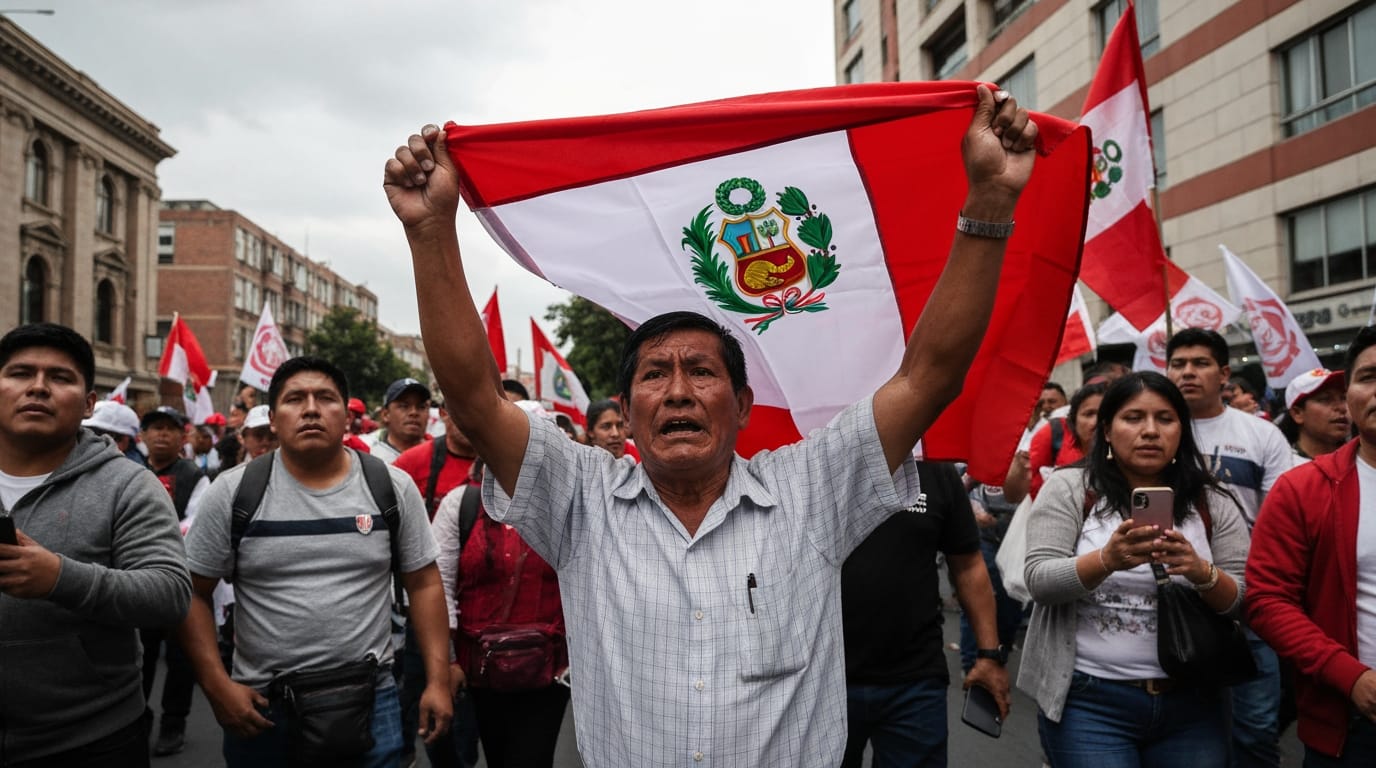
Peru found itself at a critical juncture in its recent political history, grappling with a deeply polarized electorate and a decade marked by profound instability as voters faced a stark choice for the nation's leadership. The 2021 presidential runoff election, a fiercely contested battle between political scion Keiko Fujimori and little-known rural teacher Pedro Castillo, epitomized the country's profound societal divisions and the public's widespread disillusionment with traditional politics. This pivotal vote, ultimately decided by a razor-thin margin, not only underscored the exhaustion of a neoliberal model but also thrust into sharp relief the deep-seated grievances that have fueled a relentless cycle of political upheaval, seeing multiple presidents removed from office in quick succession.
A Decade of Presidential Instability
Peru's political landscape over the past ten years has been a turbulent sea of leadership changes, impeachments, and corruption scandals. Since 2016, the nation has cycled through numerous presidents, a phenomenon attributed to a structural imbalance where the legislature often holds greater sway, enabling frequent removal attempts through impeachment proceedings. This period of "constitutional hardball," largely initiated by a Fujimorismo-dominated Congress, saw impeachment become a tool for political leverage rather than accountability. Four former presidents have been convicted of corruption, with one tragically committing suicide as police sought his arrest. The ongoing crisis has led to mass protests, labor strikes, and a significant rise in organized criminal activity, eroding public confidence in state institutions and democracy itself. The 2021 election emerged from this backdrop of intense frustration, with voters casting ballots amidst a devastating pandemic, economic contraction, and pervasive corruption concerns.
The Contenders: Fujimori's Legacy vs. Castillo's Populist Surge
The runoff pitted two dramatically different visions for Peru against each other. On one side stood Keiko Fujimori, a perennial presidential candidate and leader of the right-wing Popular Force party. The daughter of former authoritarian president Alberto Fujimori, her political career began as Peru's first lady at age 19, and she has since become one of the most recognizable and controversial figures in Peruvian politics. Her platform, often described as "Fujimorismo," advocates for free trade and strong security measures, though her father's legacy is tainted by human rights abuses and corruption convictions. Despite leading in parliamentary seats in previous elections and advocating for order, Fujimori faced a significant disapproval rating, with many Peruvians viewing her as representing the established, often corrupt, political elite. Her consistent presence in presidential runoffs (2011, 2016, 2021, and a potential 2026 run) highlights both her enduring support base and her repeated inability to secure the top office.
Challenging Fujimori was Pedro Castillo, a rural schoolteacher and union leader from the socialist Free Peru party. Castillo's rise was meteoric and unexpected, emerging from relative obscurity to win the first round of the 2021 election. Representing the "deep Peru"—the marginalized rural and Indigenous communities—Castillo championed policies aimed at equalizing wealth distribution, empowering rural Peruvians, and re-negotiating government contracts with large businesses to ensure greater state intervention in strategic sectors like mining and energy. While some analysts described him as an agrarian leftist, populist, and socialist, he distanced himself from the more extreme Marxist faction of his party, asserting there would be "no communism" under his rule. However, his socially conservative stances on issues like same-sex marriage and abortion aligned him more with traditional values, contributing to a complex political identity. His background as a "rondero," a peasant militia member who fought against the Shining Path guerrilla group, also stood in stark contrast to attempts by some media outlets to link him to Maoist ideologies.
The Contentious Election and its Aftermath
The 2021 runoff election, held on June 6, was exceptionally close, reflecting the deep ideological chasm within the country. Pedro Castillo ultimately secured a narrow victory with 50.13% of the vote, defeating Keiko Fujimori by approximately 44,000 votes. However, the declaration of official results was significantly delayed as Fujimori alleged widespread electoral fraud, despite a lack of evidence and the transparent assessment by national and international observers. Her campaign mounted legal challenges, attempting to annul hundreds of thousands of votes, particularly from the poor Andean regions that overwhelmingly supported Castillo. This prolonged and contentious process further exacerbated political tensions, contributing to public distrust in electoral institutions and undermining the legitimacy of the incoming Castillo presidency even before he took office.
Castillo was sworn in as president on July 28, 2021, becoming Peru's fifth president in as many years. He inherited a deeply divided country, with a hostile opposition-controlled Congress and a political system ravaged by years of infighting and corruption. His presidency was marked by continuous challenges from Congress, frequent cabinet changes, and multiple impeachment attempts, culminating in his removal and arrest in December 2022 after he attempted to dissolve Congress and rule by decree. This act, widely viewed as a self-coup, plunged Peru into further political chaos and sparked widespread protests.
Enduring Challenges for a Fractured Nation
The 2021 election, and the tumultuous period that followed, served as a potent illustration of Peru's struggle to consolidate its democratic institutions amidst chronic political instability and deep-seated social inequalities. The outcome revealed a nation yearning for change, with disaffected voters, particularly in rural areas, opting for an outsider like Castillo over the established political class represented by Fujimori. Yet, the intense polarization and the legislative obstructionism that characterized the subsequent administration highlighted the persistent fragility of Peru's governance.
As Peru navigates ongoing challenges, including a rise in organized crime and persistent public dissatisfaction with political leaders, the legacy of the Fujimori-Castillo contest looms large. The election underscored that simply electing a new leader does not resolve the structural issues that fuel political instability. Without fundamental reforms to strengthen democratic institutions, foster political dialogue, and address socio-economic disparities, Peru remains susceptible to cycles of intense political confrontation and governmental turnover, leaving its citizens to hope for an elusive era of stability and effective governance.


