Peru's Pivotal 2021 Election: A Nation Divided by a Razor-Thin Margin
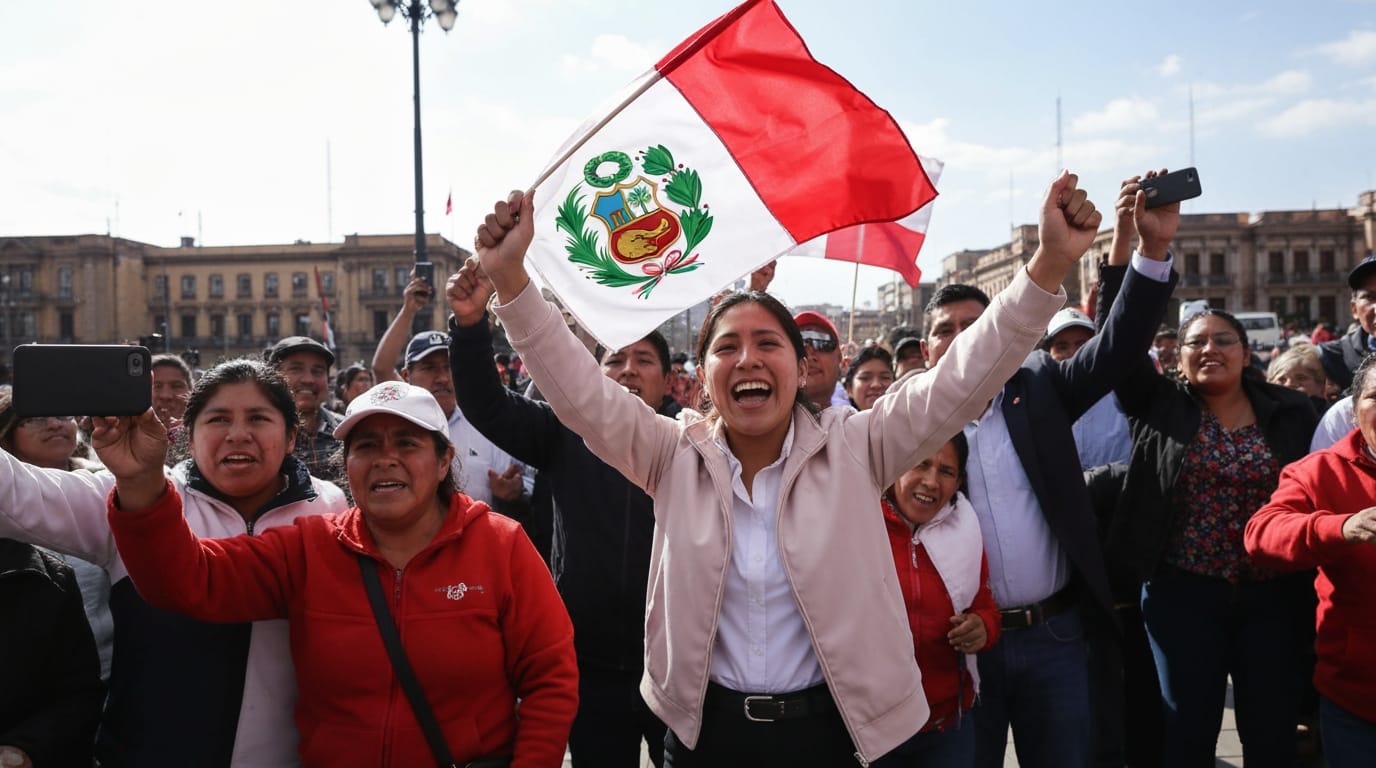
LIMA, Peru – In a stunning display of deep political polarization and societal cleavages, Peru's 2021 presidential election culminated in a nail-biting runoff that saw political newcomer Pedro Castillo eke out a victory over conservative heavyweight Keiko Fujimori by the narrowest of margins. The contest, unfolding against a backdrop of unprecedented political instability, a devastating pandemic, and widespread public disillusionment, left the nation on edge for weeks as electoral authorities meticulously reviewed challenges and validated votes. This historic election not only marked a significant shift in Peru's political landscape but also underscored the profound divisions that continue to shape the Andean nation's future.
The Unprecedented Close Call and Weeks of Uncertainty
The second round of Peru's general election, held on June 6, 2021, pitted two starkly different candidates against each other: Pedro Castillo, a rural schoolteacher and union leader from the Free Peru party, and Keiko Fujimori, the daughter of imprisoned former president Alberto Fujimori and leader of the Popular Force party. The initial results immediately indicated an exceptionally close race, plunging the country into a period of intense anxiety and legal battles. With all votes counted, the National Office of Electoral Processes (ONPE) announced on June 15 that Castillo had secured 50.125% of the vote, narrowly defeating Fujimori, who garnered 49.875%. This minuscule difference translated to just 44,240 votes out of nearly 19 million ballots cast, making it one of the closest presidential elections in Peru's modern history. The official declaration of the outcome by the National Jury of Elections (JNE) was delayed for six weeks as Fujimori and her party filed numerous challenges, alleging electoral fraud. It was not until July 19 that Castillo was finally confirmed as president-elect, just nine days before his scheduled inauguration on Peruvian Independence Day.
A Clash of Ideologies: The Outsider vs. The Dynasty
The 2021 election was largely a referendum on Peru's direction, presenting voters with a stark choice between radical change and a continuation of established, albeit controversial, political forces. Pedro Castillo emerged as a surprise contender, capitalising on deep-seated resentment against the political elite and the prevailing economic model. Campaigning on a platform of sweeping economic and political reforms, Castillo promised to rewrite the country's constitution, protect Peruvians from foreign control, and redistribute national resources more equitably. His party, Perú Libre, openly embraced Marxist theory, advocating for policies that would benefit Peru's poorest citizens and address the widespread inequality prevalent in rural areas. Castillo's rise was particularly remarkable given his background as a previously unknown primary school teacher and union activist, representing the disaffected and marginalized voices of the Andean highlands.
In direct opposition stood Keiko Fujimori, a familiar and polarizing figure in Peruvian politics. The daughter of former authoritarian president Alberto Fujimori, she represented the conservative and far-right spectrum, vowing to defend Peru's free-market economic model and implement an "iron fist" approach to crime and corruption. Fujimori's campaign was shadowed by ongoing corruption charges and investigations into alleged illicit campaign financing, for which she had previously faced pretrial detention. Her political identity is inextricably linked to her father's controversial legacy, with many fearing a return to "Fujimorismo" if she won. This marked her third consecutive presidential runoff loss, having been narrowly defeated in both the 2011 and 2016 elections.
Allegations of Fraud and the Upholding of Electoral Integrity
The prolonged delay in announcing the official results was primarily due to Keiko Fujimori's persistent claims of electoral fraud. Her legal team filed numerous appeals, attempting to annul tens of thousands of votes, particularly from rural, pro-Castillo areas. These allegations, however, were consistently dismissed by Peru's electoral authorities, including the National Elections Jury (JNE) and the National Office of Electoral Processes (ONPE), due to a lack of credible evidence.
Crucially, both national and international election observers widely affirmed the integrity of the electoral process. Missions from organizations such as the Organization of American States (OAS) and the European Union (EU) found no evidence of systemic irregularities or widespread fraud, despite acknowledging a tense campaign environment and disinformation campaigns. These observations played a critical role in legitimizing the eventual outcome and countering the unsubstantiated claims. Despite the electoral bodies' meticulous work and the endorsements from international observers, Fujimori initially cast doubt on the legitimacy of Castillo's victory even as she acknowledged the legal requirement to recognize the results.
A Nation on the Brink: Underlying Crises and Divisions
The intensity of the 2021 election was a direct reflection of the profound crises gripping Peru. The country had endured immense political instability in the years leading up to the vote, with four different presidents serving in the five years preceding the election. This instability was intertwined with pervasive corruption scandals, which had eroded public trust in political institutions and fueled widespread citizen disaffection. The economic impact of the COVID-19 pandemic also played a crucial role, as Peru suffered one of the highest per capita death tolls globally and experienced an 11% economic contraction in 2020. This exacerbated existing socioeconomic divides, pushing nearly 10% of the population into poverty and increasing unemployment.
The election results vividly exposed the deep geographical and socioeconomic divisions within Peru. Castillo garnered overwhelming support in the impoverished, often mineral-rich, southern Andean regions, which had long felt neglected by the centralized government in Lima. His promises of nationalizing resources and empowering rural populations resonated strongly with these marginalized communities. Conversely, Fujimori commanded a decisive lead in the capital, Lima, and along the wealthier northern coast, reflecting the urban-rural divide and differing economic interests. This stark regional split underscored a fundamental ideological chasm concerning economic models and the role of the state.
Governing in a Fragmented Landscape
Pedro Castillo's narrow victory marked a turning point for Peru, yet it also ushered in an era of immense challenges. His Free Peru party did not secure a majority in the 130-seat Congress, ensuring a fragmented legislative body and the necessity for cross-party negotiations. This political fragmentation, a recurring theme in Peruvian politics, made governance inherently difficult and foreshadowed potential legislative stalemates and ongoing political turbulence. The lack of a clear mandate and the lingering doubts fueled by fraud allegations set a precarious stage for the new administration.
The 2021 election, ultimately resolved by a margin smaller than the number of daily births in Peru, highlighted a nation at a crossroads. It was a contest that laid bare Peru's deep-seated social inequalities, its fragile democratic institutions, and the yearning of its populace for meaningful change. While Pedro Castillo's inauguration signaled a new chapter, the razor-thin margin of his victory and the entrenched opposition ensured that the path forward would be fraught with political maneuvering and the ongoing struggle to bridge a deeply divided society.


