Peruvian Farmer Challenges Energy Giant Over Climate Change Impacts
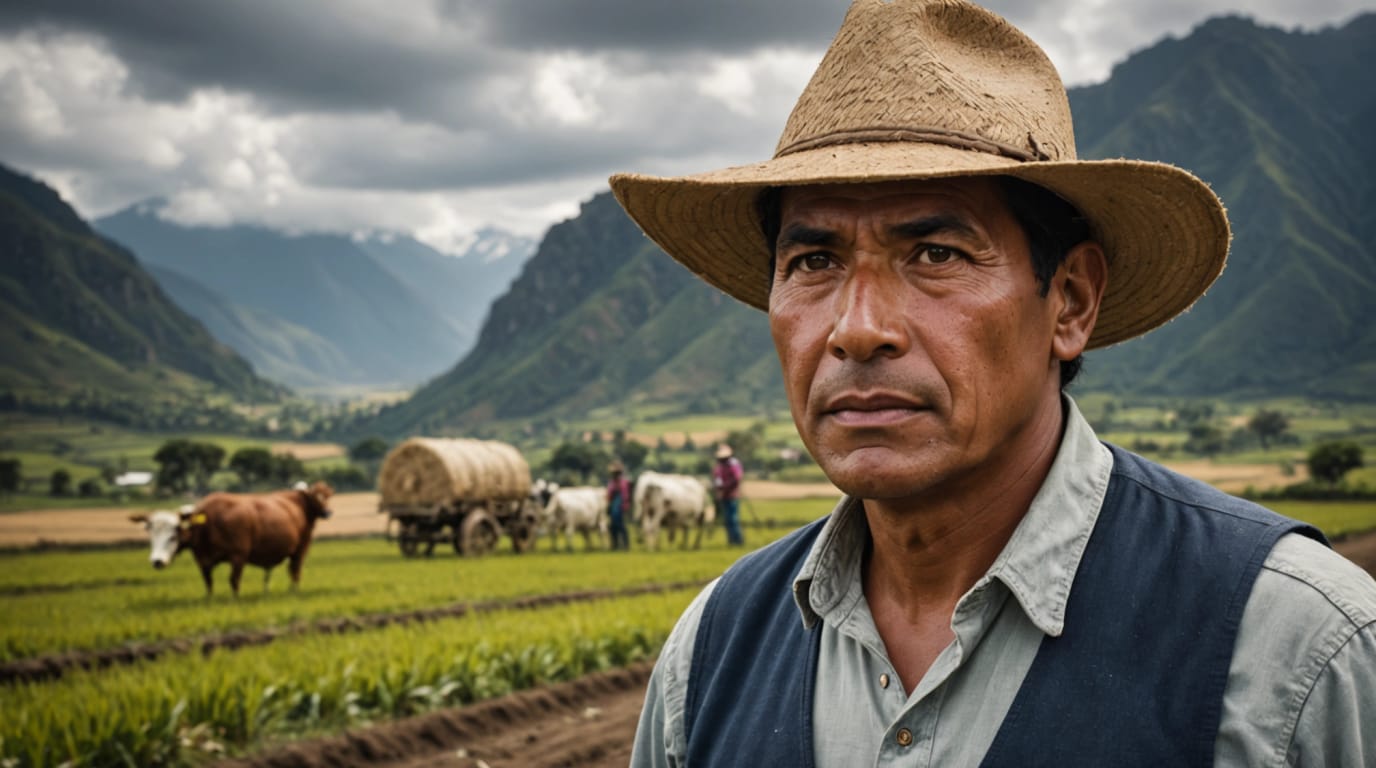
A landmark climate lawsuit is underway in Germany, pitting a Peruvian farmer against a German energy giant in a case that could reshape global climate accountability. Saúl Luciano Lliuya, a farmer from Huaraz, Peru, is suing RWE, Germany's largest electricity producer, arguing that the company's historical greenhouse gas emissions have directly contributed to glacial melt, threatening his community with catastrophic flooding.
The Threat from Palcacocha Lake
Lliuya's home sits in the shadow of the Andes Mountains, downstream from Lake Palcacocha. The lake has grown dramatically in recent years due to the melting of glaciers caused by rising global temperatures. Scientists have warned that the lake could unleash a devastating flood if its banks were to fail, endangering the lives and livelihoods of thousands of people in Huaraz. Lliuya contends that RWE, as a major emitter of greenhouse gases, bears a responsibility for the increased flood risk. He is seeking approximately €21,000 (S$30,000) from RWE to contribute to a US$3.5 million (S$4.6 million) flood defense project.
A Novel Legal Argument
The lawsuit hinges on the argument that RWE's emissions are directly linked to the glacial melt that is swelling Lake Palcacocha. Lliuya's legal team is using data from the Carbon Majors database, which tracks historical production from major fossil fuel and cement producers. They argue that RWE is responsible for approximately 0.5% of global man-made emissions since the Industrial Revolution and should therefore cover a proportional share of the costs of protecting Huaraz from the consequences of climate change. This approach seeks to establish a direct causal link between a specific company's emissions and specific climate change impacts, a novel legal strategy in climate litigation.
RWE's Defense
RWE denies legal responsibility, arguing that climate change is a global problem caused by countless emitters and that no single entity can be held liable for its effects. The company maintains that climate solutions should be addressed through state and international policies, not through the courts. RWE also argues that it is impossible to legally attribute specific effects of climate change to a single emitter due to the complexity of the climate system and the multitude of sources of greenhouse gas emissions. The company also points to its ongoing efforts to transition away from coal-fired power plants and invest in renewable energy sources.
The Court's Investigation
The case has already undergone several years of legal proceedings. After an initial dismissal, a higher regional court found merit in Lliuya's appeal and agreed to hear the case. The court has appointed experts to assess the risk of flooding from Lake Palcacocha and to determine the extent to which RWE's emissions have contributed to the glacial melt. In 2022, judges and experts visited the Palcacocha Lake area in Peru to assess the risk and level of damage represented by the melting glaciers for the city of Huaraz. The court is now examining reports released in 2023 and 2024.
Implications for Future Climate Litigation
Regardless of the outcome, the case is being closely watched by legal experts and climate activists around the world. It represents one of the first cases of its kind to reach this stage, where an individual directly affected by climate change is seeking to hold a major greenhouse gas emitter accountable. If Lliuya is successful, the case could set a precedent for future climate litigation, potentially opening the door for similar lawsuits against other major polluters. Even if Lliuya's claim ultimately fails, the case has already raised awareness about the disproportionate impacts of climate change on vulnerable communities and the potential for legal action to address these impacts. The case highlights the growing debate over who should bear the costs of climate change adaptation and mitigation, particularly in developing countries that are disproportionately affected by the impacts of global warming.
The trial resumes on March 17, 2025, and the outcome could have far-reaching consequences for climate accountability and the future of climate litigation.