Philippines Grapples with Shifting Landscape of Teen Pregnancy: Alarming Rise Among Youngest Girls Amidst Overall Declines
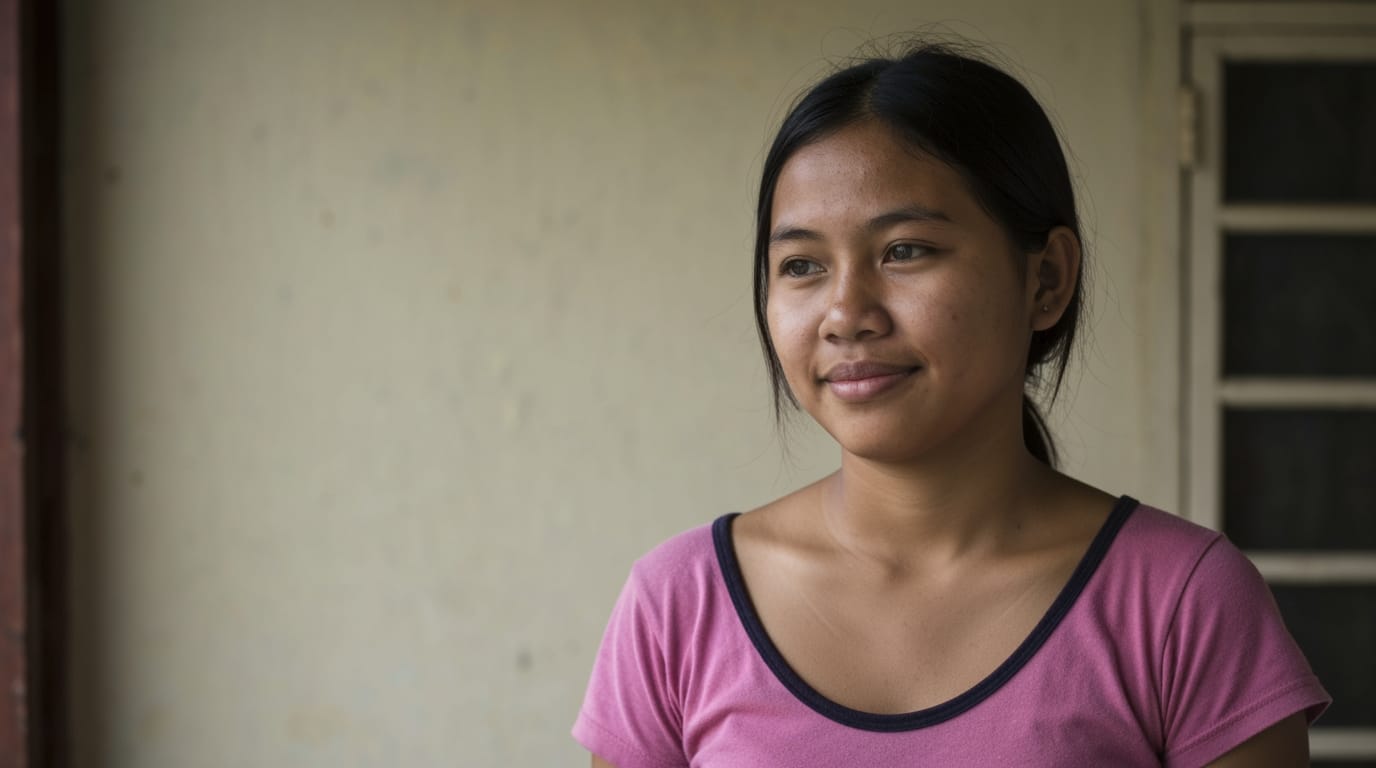
MANILA, Philippines – The Philippines is navigating a complex and often contradictory landscape in its fight against teenage pregnancy, a critical public health and development challenge. While overall adolescent fertility rates have shown a general decline in recent years among older teenagers, a deeply concerning surge in pregnancies among girls as young as 10 to 14 years old has sparked renewed alarm, demanding urgent and comprehensive national action. The nation continues to rank among those with the highest rates of teenage pregnancy in Southeast Asia, with profound socioeconomic consequences for individuals, families, and the country's development trajectory.
A Contradictory Trend: Decline Masked by Vulnerabilities
Recent data paints a mixed picture of teenage pregnancy trends across the Philippines. Globally, adolescent birth rates have generally decreased. Correspondingly, the Philippines has observed a decline in its adolescent fertility rate for women aged 15-19, dropping from 47 births annually per 1,000 women in 2018 to 32 per 1,000 in 2023. However, this positive trend in the broader adolescent group is overshadowed by a stark increase in pregnancies among the youngest girls.
From 2020 to 2023, the number of births to girls aged 10-14 surged by an alarming 58%, increasing from 2,113 to 3,433 live births. Another report indicated a 35% jump in this vulnerable age group from 2,320 live births in 2021 to 3,135 in 2022. The youngest recorded case involved an 8-year-old girl who became pregnant and gave birth at nine. This alarming rise among pre-adolescents is compounded by a reported 10.2% increase in total births to mothers under 20 in 2022, following a three-year period of decline from 2019 to 2021. Regional disparities persist, with areas such as Metro Manila, Calabarzon, Northern Mindanao, and Davao consistently reporting high rates. Central Luzon, despite an overall decrease in teenage pregnancies, still saw an increase in cases among girls aged 14 and under.
Intersecting Factors Drive the Crisis
The multifaceted nature of teenage pregnancy in the Philippines stems from a complex interplay of socioeconomic, cultural, and systemic factors. Poverty remains a primary driver, with early childbearing disproportionately affecting those from low-income households, rural areas, and with lower educational attainment. While a trend of increasing proportions of teenagers from non-poor, better-educated, and urban backgrounds also experiencing early childbearing has been noted, the burden on the socioeconomically disadvantaged remains significant.
A critical barrier to addressing the issue is the inconsistent implementation of comprehensive sexuality education (CSE), despite its inclusion in the K-12 curriculum since 2018. Furthermore, legal requirements for parental consent for minors under 18 to access contraceptives significantly hinder access to vital reproductive health services. Dominant cultural and religious beliefs often contribute to a lack of open dialogue about sexuality and reproductive health, further complicating efforts to provide adequate information and services.
Sexual violence and coercion are also significant, and often overlooked, contributors to the crisis. Many young girls are pressured into sexual activity, frequently by older men. Data indicates that a substantial portion of pregnancies among 15-19 year olds are fathered by men from older age groups, suggesting power imbalances and potential exploitation. Additionally, a biological trend toward a younger age at menarche contributes to earlier potential for childbearing. The social stigma associated with unwed motherhood often leads to pressure for early marriages, which can exacerbate emotional stress and health risks for young mothers.
Devastating Consequences for Young Lives and National Growth
The implications of teenage pregnancy extend far beyond individual health, casting a long shadow over the educational and economic prospects of young mothers and their children, and impeding national development. Young mothers, particularly those under 15, face health risks twice as high as women aged 20-30, including increased maternal mortality, low birth weight, premature birth, malnutrition, anemia, and sexually transmitted infections.
Education is frequently disrupted or terminated, leading to lower high school completion rates and severely limited employment opportunities. A study funded by UNFPA estimated a potential lifetime income loss of P33 billion for teenage girls due to early pregnancy, underscoring the substantial economic impact. This perpetuates a cycle of poverty, affecting not only the young mothers but also their offspring. For the nation, the high rate of adolescent pregnancy represents a missed opportunity to harness the "demographic dividend" of a young population, potentially undermining economic growth.
Concerted Efforts and Remaining Hurdles
Recognizing the gravity of the situation, the Philippine government has declared teenage pregnancy a "national social emergency" and an "urgent national priority." Various initiatives have been launched, including the ProtecTEEN program by the Department of Social Welfare and Development (DSWD), which offers psychosocial support, parenting guidance, educational aid, and livelihood assistance. In 2022, the age of sexual consent was raised from 12 to 16, allowing for the legal recognition of more teenage pregnancies as statutory rape.
Legislative efforts have sought to strengthen protections and access to services, such as the Adolescent Pregnancy Prevention Bill, which passed the House of Representatives but ultimately stalled in the Senate due to opposition from conservative lobby groups. Executive Order 141, issued in 2021, directs all government agencies to implement measures addressing the root causes of adolescent pregnancies, including comprehensive sexuality education and reproductive health services. The government has also engaged in collaborations with civil society organizations and international bodies like the United Nations Population Fund (UNFPA), the World Health Organization (WHO), and the Korea International Cooperation Agency (KOICA) to develop and implement programs.
Despite these efforts, significant hurdles remain. The inconsistent implementation of CSE, coupled with the persistent legal requirement for parental consent for minors to access contraception, continues to undermine prevention strategies. Advocates continue to call for enhanced, mandatory CSE and the removal of these barriers to ensure that young people are equipped with the knowledge and resources to make informed decisions about their reproductive health.
A Call for Sustained Action
The shifting trends in teenage pregnancy in the Philippines underscore a complex challenge demanding sustained and adaptive responses. While gains have been made in reducing overall adolescent birth rates, the alarming increase in pregnancies among the youngest girls highlights profound vulnerabilities and systemic gaps. Addressing this requires a multi-pronged approach that tackles poverty, ensures universal access to comprehensive sexuality education and youth-friendly reproductive health services without unnecessary legal barriers, combats sexual violence, and confronts restrictive cultural norms. Only through a coordinated and unwavering commitment from government, civil society, communities, and families can the Philippines truly protect its young girls and safeguard the potential of its future generations.