Polarizing Politics Fuel Persistent Violence in West Bengal
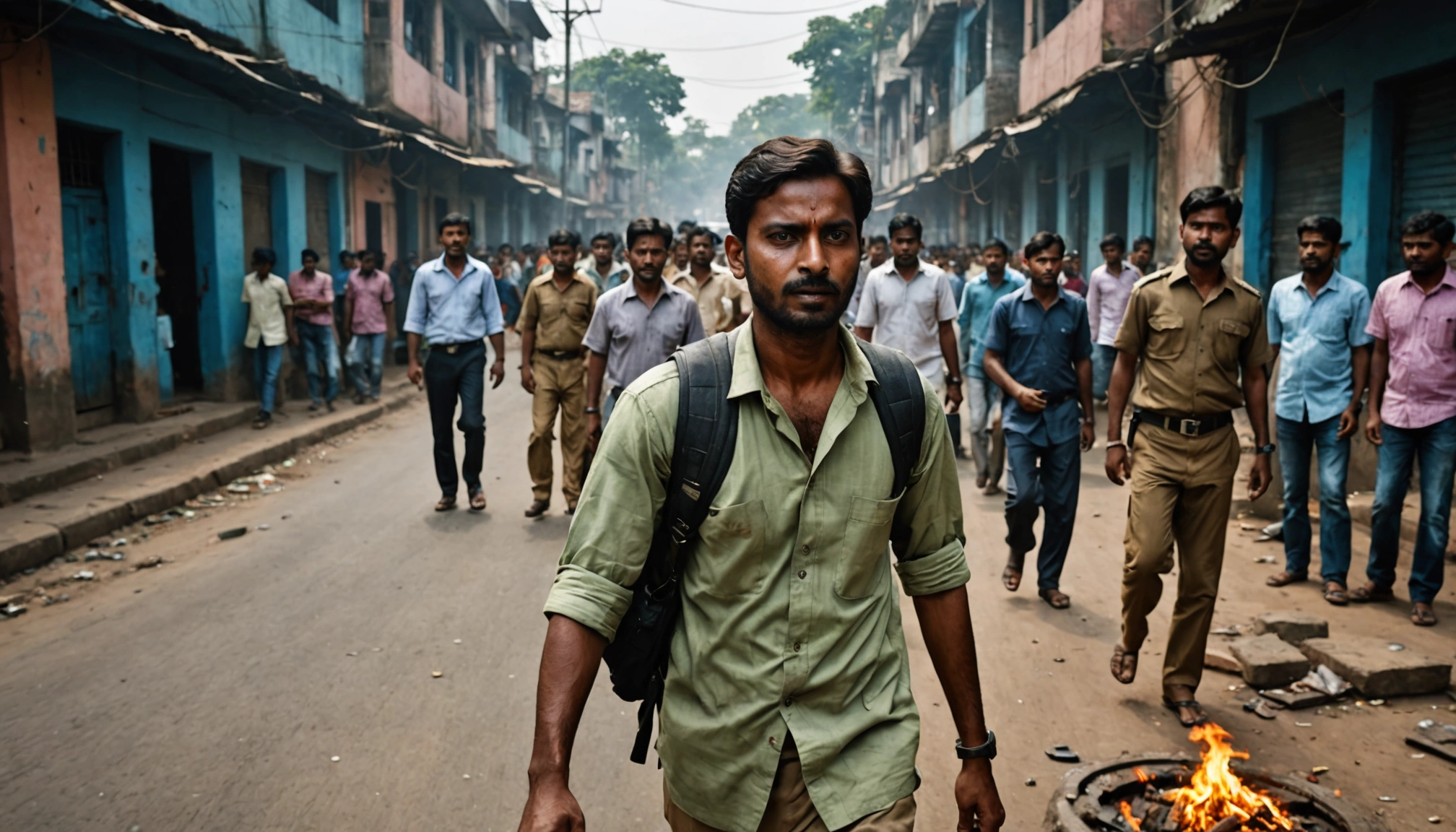
West Bengal, a state with a rich history of political activism, is grappling with a concerning trend: the rise of polarizing politics that fuels persistent violence. As the 2026 State Assembly election approaches, the political climate is increasingly defined by religious and ideological divides, raising concerns about the future of democracy in the region.
A Historical Legacy of Political Violence
West Bengal's history is intertwined with political violence, dating back to the pre-independence era. The partition of Bengal in 1905 sparked revolutionary movements against British rule, with secret societies like Anushilan Samiti and Jugantar resorting to armed revolt. Communal tensions and peasant uprisings, such as the Tebhaga Movement of 1946-1947, further contributed to the state's violent past.
In the post-independence period, the rise of the Left Front, led by the Communist Party of India (Marxist) [CPI(M)], intensified political clashes. As the Left Front challenged the dominance of the Congress party, violent confrontations between party workers became commonplace. The Sainbari murders of Congress workers in 1970 and the killing of All India Forward Bloc Chairman Hemanta Basu in 1971 remain grim reminders of this era.
The Shift Towards Religious Politics
While West Bengal politics was once driven by ideological clashes and developmental issues, a shift towards religious politics has become increasingly apparent since the Trinamool Congress (TMC) came to power in 2011. This shift is partly attributed to the Sachar Committee report (2006), which highlighted the socio-economic disparities among Muslims in West Bengal, leading to a consolidation of Muslim votes in favor of the TMC.
As the 2026 elections draw near, both the ruling TMC and the opposition Bharatiya Janata Party (BJP) are accused of exploiting communal polarization for electoral gains. The BJP, seeking to consolidate Hindu votes, has been seen promoting Hindu solidarity through slogans and rallies. The TMC, while relying on its Muslim vote base, also attempts to court Hindu voters through "soft Hindutva" tactics.
The Role of Economic Factors
Economic factors also play a significant role in perpetuating political violence in West Bengal. High unemployment rates and dependence on government schemes have created a struggle for control over economic resources, particularly at the panchayat level. With panchayats wielding considerable power in distributing government funds, political parties often resort to violence to maintain their dominance and ensure access to these resources for their supporters.
The lack of industrialization and limited economic opportunities have led to a situation where many individuals, especially in rural areas, depend on political patronage for their livelihoods. This dependence makes them vulnerable to manipulation and coercion by political parties, further fueling the cycle of violence.
The Impact on Democracy
The persistent political violence in West Bengal has far-reaching implications for the quality of democracy in the state. It creates an atmosphere of fear and intimidation, discouraging political participation and dissent. The erosion of law and order undermines the credibility of democratic institutions and processes, leading to a decline in public trust.
Moreover, the focus on religious and identity politics diverts attention from critical issues such as education, healthcare, and employment. This hinders the state's progress and perpetuates social and economic inequalities. The rise of "competitive communalism," where both the TMC and BJP gain from religious polarization, further exacerbates the problem, making it difficult for other parties to address the root causes of violence and promote inclusive development.
The Way Forward
Addressing the issue of political violence in West Bengal requires a multi-pronged approach. Strengthening law enforcement and ensuring the impartiality of state institutions are crucial steps. Promoting economic development and creating employment opportunities can reduce dependence on political patronage and diminish the incentives for violence.
Encouraging dialogue and reconciliation between different communities and political groups is also essential. Civil society organizations, religious leaders, and community elders can play a vital role in fostering understanding and promoting peaceful coexistence. Ultimately, a commitment to democratic values, inclusive governance, and social justice is necessary to break the cycle of violence and build a more peaceful and prosperous future for West Bengal.
As West Bengal approaches the 2026 elections, it stands at a crossroads. Whether it can overcome its history of political violence and embrace a more inclusive and democratic future remains to be seen. The choices made by political leaders, civil society, and the people of West Bengal will determine the state's trajectory in the years to come.
Related Articles


Mounting Frustration Grips Russia as Economic Hardship and War's Toll Deepen
Moscow, Russia – A palpable shift in public sentiment is emerging across Russia, with growing frustration among citizens fueled by a confluence of economic pressures, increasing internet restrictions, and the undeniable...

Germany's Strategic Calculus: Ukraine Aid is an Investment in European Security, Not Charity
Berlin – The ongoing provision of substantial aid to Ukraine by Germany and its allies is increasingly being framed not as an act of altruism, but as a crucial investment in European security and stability. This...