Polish Jets Intercept Russian Spy Plane Amid Heightened Baltic Tensions
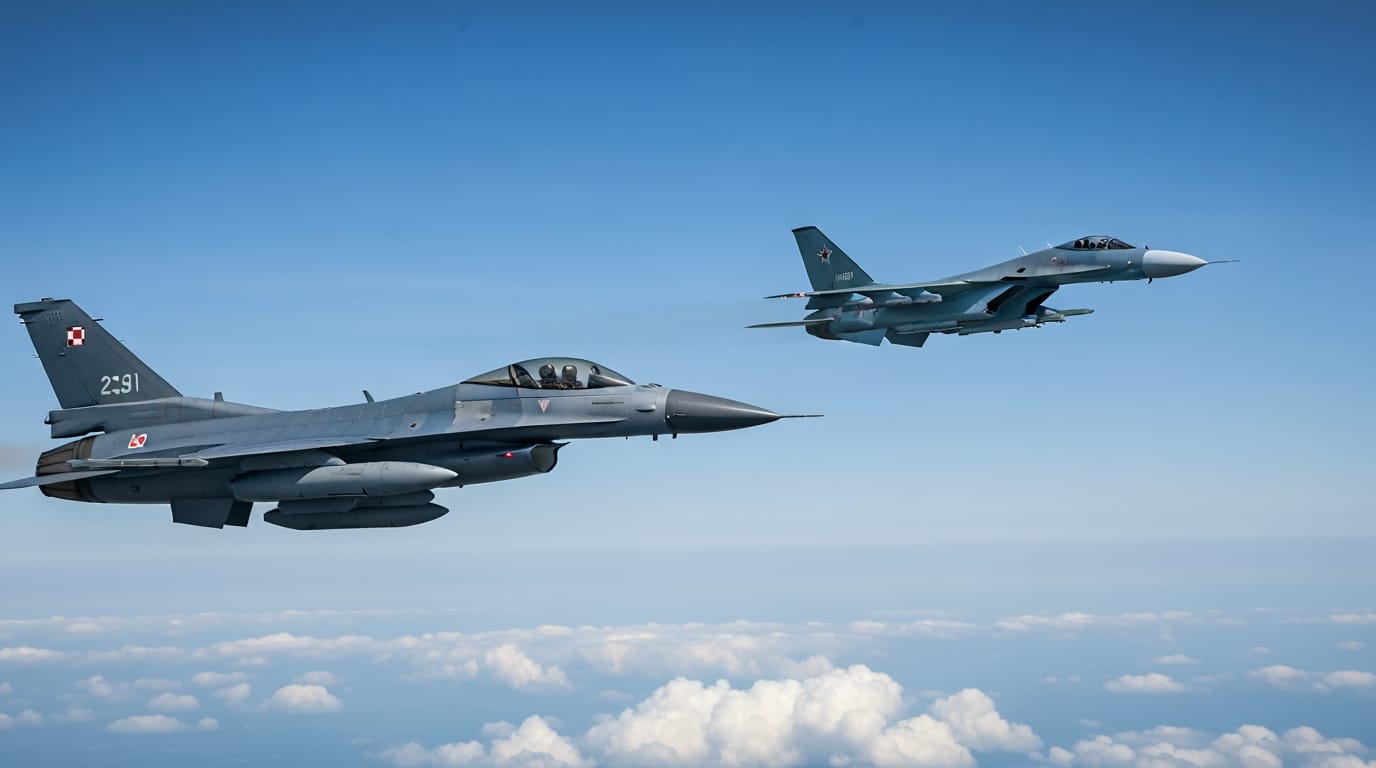
WARSAW, Poland – Polish fighter jets recently intercepted a Russian reconnaissance aircraft operating over the Baltic Sea, underscoring the persistent and elevated security concerns across NATO's eastern flank. The incident, which saw Polish air force assets swiftly respond to the presence of a Russian Il-20 spy plane, is the latest in a series of similar encounters that highlight ongoing geopolitical tensions exacerbated by the conflict in Ukraine. Such interventions are becoming a routine, yet critical, aspect of NATO's air policing missions, as Russian military aircraft frequently approach alliance airspace without adhering to international flight regulations.
A Recurring Pattern of Aerial Vigilance
The recent interception over the Baltic Sea involved Polish fighter jets identifying and shadowing a Russian Il-20 surveillance aircraft. This type of Russian intelligence-gathering plane, known for its capacity to intercept radio communications and radar emissions, was operating in international airspace but reportedly without a filed flight plan and with its transponder turned off, rendering it invisible to civilian air traffic control. These actions are considered breaches of international aviation protocols, which mandate the use of transponders and the submission of flight plans for safety and identification purposes. Polish military officials confirmed that the Russian aircraft did not violate Polish sovereign airspace, but its proximity necessitated a rapid response from the Quick Reaction Alert (QRA) forces.
Similar incidents have become increasingly common, reflecting a broader trend of heightened Russian military activity in the region. In October 2025, Polish jets, including MiG-29s, were reportedly scrambled on consecutive days to intercept an Il-20 over the Baltic Sea exhibiting the same non-compliant flight characteristics. Earlier, in August 2024, Polish F-16 fighter jets also intercepted an Il-20 conducting a reconnaissance mission in the same international waters. These repeated scrambles underscore the continuous readiness required by NATO member states bordering Russia.
Geopolitical Undercurrents and Strategic Probes
The Baltic Sea region, strategically vital and bordering both mainland Russia and its Kaliningrad exclave, has long been a flashpoint for aerial encounters. Since the full-scale invasion of Ukraine, the frequency and intensity of Russian military flights near NATO's borders have noticeably increased. These flights are widely interpreted by NATO and its allies as attempts to gather intelligence on defensive postures, test response times, and assert presence in contested international airspace.
Beyond reconnaissance flights, the past year has seen a spectrum of Russian aerial activities near NATO territory. In September 2025, Poland experienced multiple drone incursions into its airspace, prompting a significant military response and discussions about invoking Article 4 of the NATO treaty, which allows member states to consult when their territorial integrity or security is threatened. That same month, three Russian military jets violated Estonian airspace for approximately twelve minutes in an "unprecedentedly brazen" incursion. Additionally, incidents involving suspected smuggling balloons originating from Belarus have led to temporary closures of Polish airspace, further complicating aerial surveillance and defense efforts. These varied incursions contribute to a pervasive sense of unease and necessitate constant vigilance.
NATO's Integrated Air Defense System in Action
The prompt and coordinated response by Polish forces is a direct demonstration of NATO's robust Integrated Air and Missile Defence System (NATINAMDS) and its Baltic Air Policing mission. This defensive mechanism ensures the integrity of alliance airspace 24 hours a day, 365 days a year, with fighter aircraft on Quick Reaction Alert ready to intercept unidentified or non-compliant aircraft. NATO member states, including Poland, contribute to these multinational efforts, with jets stationed in the Baltic states of Lithuania and Estonia also frequently scrambled. In 2022 alone, NATO's Baltic Air Policing Unit was scrambled more than 200 times, primarily in response to Russian jets flying near, but typically not inside, allied airspace.
The sophisticated nature of these operations involves constant surveillance through radar sites, remote data transmission, and a network of control centers that can react within seconds to potential air traffic incidents. This system allows for visual identification and, if necessary, the escorting of aircraft that fail to communicate or adhere to international flight regulations. The seamless coordination between national air forces and NATO command structures highlights the alliance's collective defense principle in practice.
Implications for Regional Stability
These recurring aerial encounters, while often resolved without direct confrontation, carry significant implications for regional stability. They serve as a constant reminder of the volatile security environment in Eastern Europe and the Baltic region. Each incident underscores the potential for miscalculation and the necessity of maintaining robust deterrent capabilities. The deliberate non-compliance by Russian military aircraft with international aviation standards not only poses risks to civilian air traffic but also increases the burden on NATO air forces, requiring costly and resource-intensive responses.
The pattern of Russian behavior suggests a strategy of probing NATO's readiness and resolve, seeking to gather intelligence while testing the alliance's response mechanisms. For frontline NATO states like Poland, these incidents reinforce the critical importance of continuous investment in modern air defense capabilities and close cooperation with allies. The Polish military's emphasis on airspace security and its pilots' readiness for combat alert reflect a commitment to safeguarding national and alliance territory against potential threats. The vigilance maintained by Poland and its NATO partners in the face of these ongoing provocations is essential to deterring aggression and preserving peace in a tense geopolitical landscape.
Conclusion
The interception of a Russian spy plane by Polish jets over the Baltic Sea is more than an isolated event; it is a clear indicator of the persistent challenges to European security. In an era marked by the ongoing conflict in Ukraine and heightened Russian military activity, such incidents serve as vital tests of readiness and coordination for NATO. The alliance's robust air policing missions, supported by the swift actions of member states like Poland, demonstrate a firm commitment to collective defense and the maintenance of international aviation norms. As geopolitical tensions endure, the skies over the Baltic will likely remain a critical arena for vigilance, underscoring the continuous need for unwavering alertness and cooperation among NATO allies.


