Pope Francis to Break Tradition with Burial at Basilica of St. Mary Major
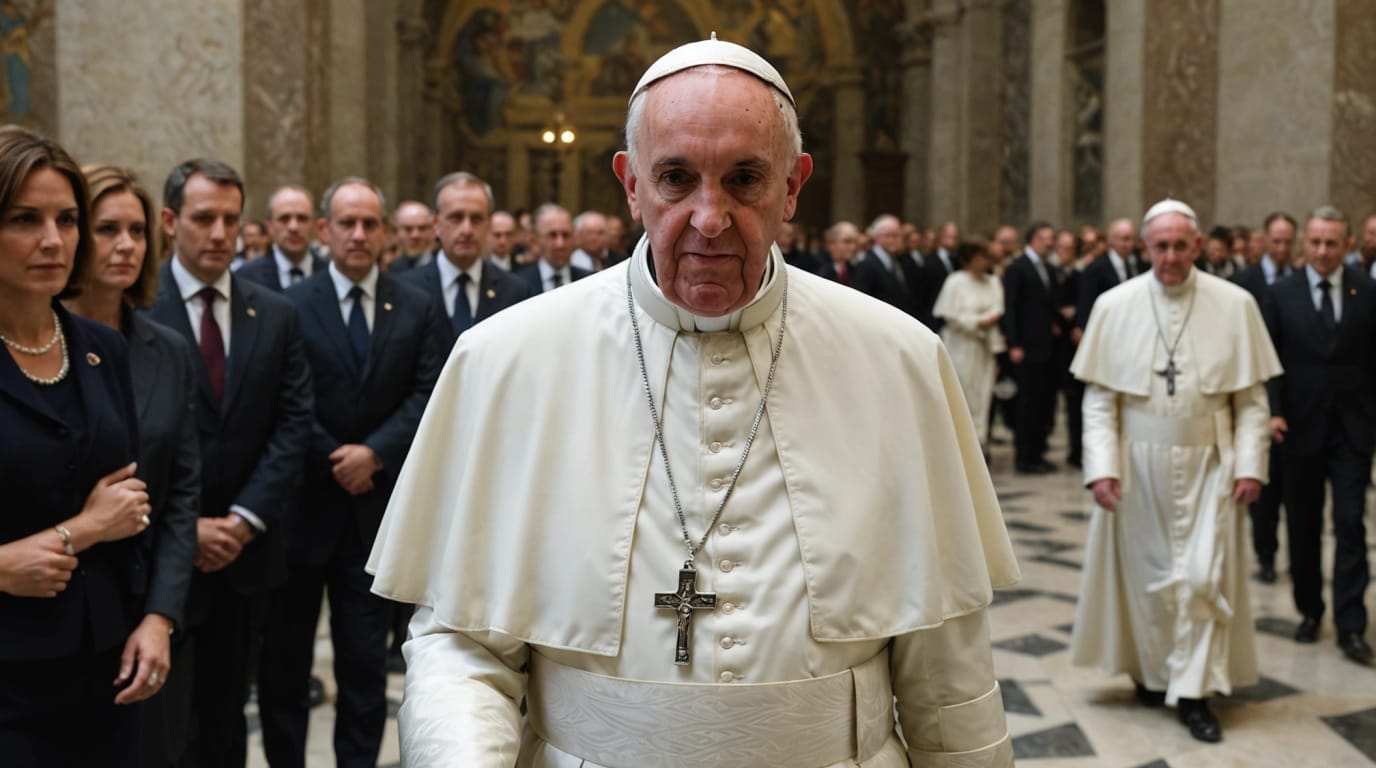
Pope Francis, who passed away on Monday at the age of 88, will be buried in the Basilica of St. Mary Major in Rome, marking a significant departure from centuries of papal tradition. The funeral, expected to be a major event drawing mourners from around the world, will also reflect the Pope's emphasis on humility and simplicity, with several key changes to traditional papal burial rites.
A Simplified Funeral
In 2024, Pope Francis approved revisions to the papal funeral rituals, streamlining the ceremonies to emphasize his role as a pastor and disciple of Christ, rather than a worldly power. Archbishop Diego Ravelli, master of papal liturgical ceremonies, stated the changes aimed "to emphasize even more that the Roman Pontiff's funeral is that of a pastor and disciple of Christ and not of a powerful man of this world."
One of the most notable changes is the choice of coffin. Instead of the traditional three nested coffins made of cypress, lead, and oak, Pope Francis will be buried in a simple wooden coffin lined with zinc. This decision reflects his commitment to modesty and aligns with his broader efforts to simplify Vatican practices. The Pope's body will be displayed in an open coffin for public veneration inside St. Peter's Basilica, rather than being placed on a raised platform known as a catafalque.
Breaking with Burial Tradition
For centuries, most popes have been buried in the Vatican Grottoes, located beneath St. Peter's Basilica. These grottoes house the tombs of over 90 popes, as well as other significant figures in the Church's history. However, Pope Francis has chosen to be buried in the Basilica of St. Mary Major, one of the four papal basilicas in Rome.
This decision marks the first time in over a century that a pope will be buried outside the Vatican. The last pope to be buried outside the Vatican was Leo XIII, who was interred at St. John Lateran in 1903. Pope Francis's choice reflects his deep connection to the Basilica of St. Mary Major, where he often prays before traveling abroad. The basilica also holds a special significance due to its venerated icon of the Virgin Mary, the Salus Populi Romani (Salvation of the people of Rome). Seven other Popes have also been buried at St. Mary Major.
The Funeral Rites
The funeral rites will be carried out in three main stages. The first stage involves the preparation of the body in the Pope's private chapel, where medical professionals will certify his death. The Cardinal Camerlengo, currently American Cardinal Kevin Farrell, will then make arrangements for the funeral. The camerlengo is a Vatican official who runs the Holy See administration between the death or resignation of one pope and the election of another.
The second stage involves the viewing of the body. Pope Francis will be dressed in white liturgical vestments, including his miter and pallium, and placed in the simple wooden coffin. The coffin will then be carried in procession to St. Peter's Basilica, where the public viewing will take place for three days. The Pope's body will remain in the open casket during this viewing period, emphasizing his role as a humble pastor.
The third stage is the burial. Following the public viewing, a white cloth will be placed over the Pope's face. A procession will then likely take place across Rome to Santa Maria Maggiore, including the hearse and cars carrying those attending the private ritual. After final prayers and the sprinkling of holy water, the coffin will be placed in its final location inside the basilica. The area will later be opened to the public for prayers and veneration.
Rituals Following the Death of the Pope
Several rituals and traditions are set in motion following the death of a pope. The Cardinal Camerlengo formally pronounces the Pope dead. Traditionally, the camerlengo would tap a silver hammer on the Pope's head while calling out his baptismal name three times, but this practice is no longer used. Instead, an electrocardiogram is used to confirm the death.
The Cardinal Camerlengo then breaks the Pope's Fisherman's Ring and destroys the dies used to make the papal seal for apostolic letters. These actions symbolize the end of the pontificate, and the items will be buried with the Pope.
A nine-day mourning period, known as Novemdiales, will be observed. During this time, Vatican flags will fly at half-staff, and the bronze doors of St. Peter's Basilica will be closed. The funeral must take place four to six days after the Pope's death.
The Conclave
Following the burial, a conclave will be held to elect the next pope. The conclave is a gathering of the Church's Cardinal Electors, who are sealed inside the Sistine Chapel until they elect a new pontiff. The Cardinal Electors cast secret ballots, and the process continues until one candidate receives a two-thirds majority.
Once a new pope is elected, white smoke is released from the Sistine Chapel to signal the news to the world. The new pope then appears on the balcony of St. Peter's Basilica to greet the crowds.
Pope Francis's Legacy
Pope Francis's papacy has been marked by his emphasis on social justice, his concern for the poor and marginalized, and his efforts to reform the Catholic Church. His decision to simplify his funeral rites and be buried outside the Vatican reflects his commitment to these values and his desire to be remembered as a humble servant of God. His funeral is expected to draw millions of mourners from around the world, who will come to pay their respects to a pope who has touched the lives of so many.
The death of Pope Francis marks the end of an era for the Catholic Church. His legacy of reform and compassion will continue to inspire Catholics and people of all faiths for generations to come. The upcoming funeral and conclave will be significant events in the life of the Church, as it chooses a new leader to guide it into the future.


