Powerful 7.8 Magnitude Quake Rocks Southern Philippines, Triggers Widespread Tsunami Alert
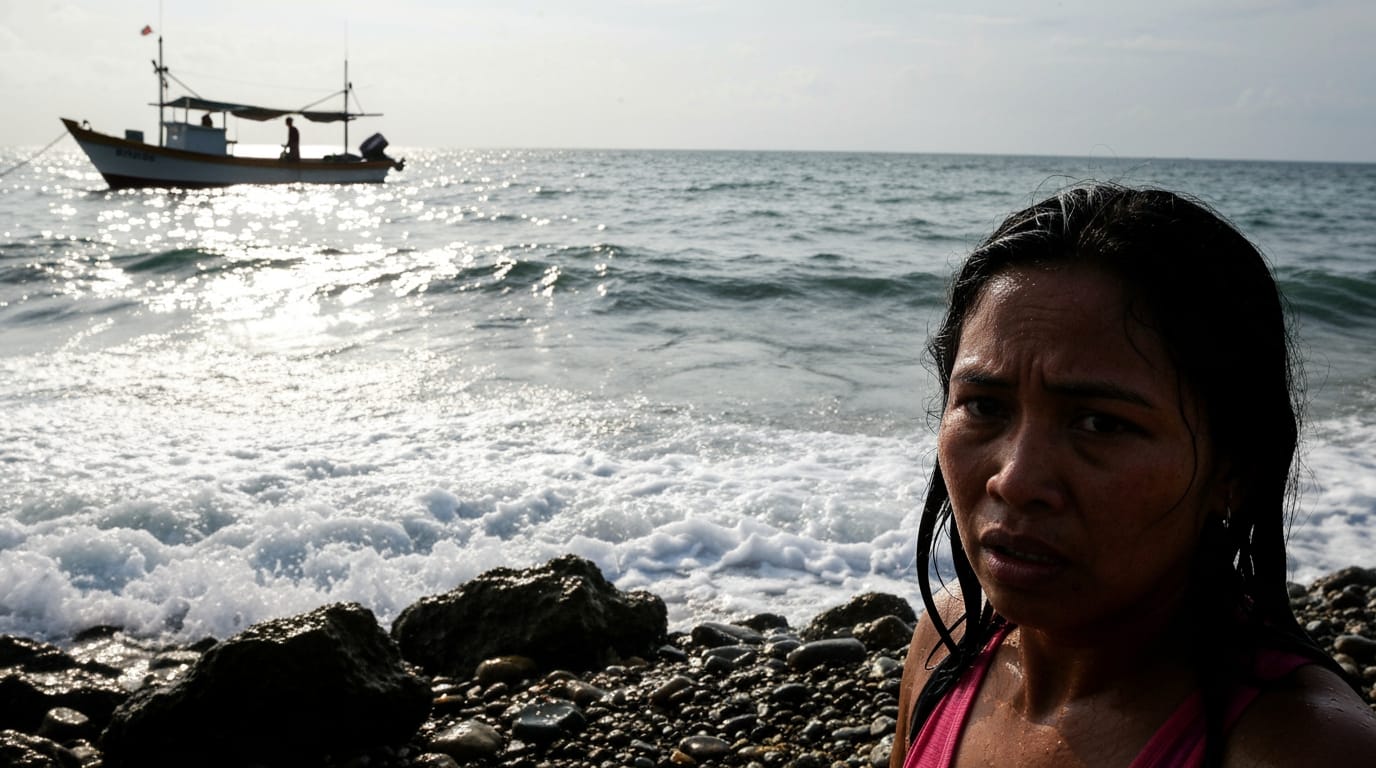
MANILA, Philippines – A colossal magnitude 7.8 earthquake struck off the southern coast of the Philippines early Monday, sending powerful tremors across the Mindanao region and prompting immediate tsunami warnings for multiple countries bordering the Western Pacific. The seismic event, occurring at 7:37 a.m. local time, put millions on alert as national and international agencies scrambled to assess the threat of potentially devastating waves, urging coastal communities to seek higher ground. While initial reports indicated no widespread destruction or casualties, the sheer force of the tremor ignited fear and widespread concern across an already seismically active region.
The Earth's Violent Awakening and Global Response
The powerful undersea earthquake, with its epicenter located approximately 15.3 miles west-southwest of Burias, Philippines, at a depth reported by the U.S. Geological Survey (USGS) at 22 miles (35 kilometers), registered as one of the most significant seismic events to hit the region in recent memory. Initially, some agencies like the German Research Centre for Geosciences (GFZ) reported the magnitude as high as 8.2 before downgrading it to 7.8. The Philippine Institute of Volcanology and Seismology (Phivolcs) initially estimated the quake at 7.0, while Indonesia's Meteorology, Climatology and Geophysics Agency (BMKG) put it at 7.7, highlighting the initial complexities in pinpointing the precise magnitude of such a large-scale event. Despite the varying initial assessments, the consensus quickly settled on a formidable 7.8, underscoring the severe potential for widespread impact.
Immediately following the quake, a flurry of advisories and warnings cascaded across the region. The U.S. Tsunami Warning System issued a formal tsunami threat notice, closely followed by the Pacific Tsunami Warning Center, which cautioned that tsunami waves could affect coastal areas stretching far beyond the Philippines' immediate vicinity. Phivolcs, the Philippines' primary seismic monitoring agency, issued its own stern warning, cautioning residents that tsunami waves exceeding one meter (approximately 3.3 feet) were possible and could persist for several hours after the initial seismic event. Neighbouring Indonesia's BMKG also swiftly issued a tsunami warning, emphasizing the cross-border implications of such a powerful offshore quake.
Tsunami Threat Looms: Evacuation Orders and Regional Vigilance
The prospect of a tsunami immediately triggered alarm and prompted precautionary measures throughout the affected coastal zones. The Pacific Tsunami Warning Center's bulletin outlined potential wave heights, indicating that some coasts of the Philippines could experience tsunami waves up to 10 feet. For Indonesia and Malaysia, waves up to 3 feet were deemed possible, while smaller tsunami waves were anticipated in distant areas including Taiwan, Japan, Guam, Papua New Guinea, and several other island nations and territories scattered across the Western Pacific. These warnings translated into urgent calls for evacuation in vulnerable low-lying coastal areas, particularly in the southern Philippines where the quake's impact was felt most acutely.
Local authorities in the Philippines initiated protocols to ensure the safety of their populations, advising residents along the exposed coastlines to move to higher ground immediately. The lingering threat of "waves that may continue for hours" underlined the critical importance of sustained vigilance, urging communities not to return to coastal areas until official all-clear signals were issued. This rapid and coordinated response highlighted the region's experience and preparedness for such events, although the inherent unpredictable nature of tsunamis means that a high degree of caution remains paramount. The process of disseminating these warnings, often through a combination of sirens, emergency broadcasts, and local officials, is a critical component of minimizing potential casualties when faced with such an imminent threat.
Immediate Aftermath: Shaking, Scares, and Structural Checks
Despite the considerable magnitude of the earthquake and the serious tsunami warnings, initial reports from the ground were largely reassuring regarding immediate, widespread damage. There were no immediate confirmed reports of major damage or fatalities in either the Philippines or Indonesia, a testament to offshore epicenter and potentially resilient infrastructure. However, the intensity of the shaking was undeniable and caused significant alarm. Residents throughout the southern Philippines and even as far as Indonesia's North Sulawesi and North Maluku provinces reported feeling intense tremors.
Accounts from affected areas painted a picture of momentary chaos and fear. Benjie Ancheta, the police chief of Alabel town in Sarangani province, southern Philippines, reported that cracks appeared in the local police station building, a vivid indicator of the quake's force. Ancheta described the event as "the strongest earthquake we've experienced," adding that several individuals fainted during the powerful shaking, though no immediate casualties were reported. This human element—the sudden jolt, the instinctive fear, and the scramble for safety—underscores the profound psychological impact of such natural phenomena, even when physical damage is initially limited. Authorities began immediate structural assessments of buildings and critical infrastructure to identify any hidden damage that might not have been immediately apparent.
The Pacific Ring of Fire: A Constant Tectonic Dance
The Philippines' geographic location squarely places it within the infamous Pacific "Ring of Fire," a vast horseshoe-shaped basin that traces the rim of the Pacific Ocean. This zone is characterized by frequent earthquakes and volcanic eruptions due to the constant movement and collision of tectonic plates. This geological reality means that major seismic events, while always alarming, are not uncommon for the archipelago. The region's history is punctuated by numerous powerful earthquakes and destructive tsunamis, making robust early warning systems and public preparedness campaigns essential for survival.
The tectonic boundary responsible for Monday's earthquake is part of a complex system of subduction zones where the Philippine Sea Plate and other smaller plates interact with the larger Eurasian Plate. Such interactions build immense stress over time, which is periodically released in powerful seismic events like the one observed. The constant threat necessitates a perpetual state of readiness, from the engineering of earthquake-resistant buildings to the education of citizens on evacuation procedures and emergency response. Ongoing scientific monitoring by agencies like Phivolcs and international partners is crucial for understanding these dynamic forces and providing timely warnings.
Conclusion: Sustained Vigilance and Regional Resilience
As the initial hours following the powerful 7.8 magnitude earthquake unfold, the immediate focus remains on monitoring for tsunami activity and ensuring the safety of coastal populations. While initial assessments have not revealed widespread devastation, the potential for dangerous waves continues to necessitate sustained vigilance from both authorities and the public. The event serves as a stark reminder of the Philippines' precarious position on the Pacific Ring of Fire and the ever-present threat posed by its active geology.
The rapid activation of regional and international warning systems, coupled with immediate advisories to residents, underscores the importance of continued investment in and refinement of disaster preparedness mechanisms. As the earth continues its restless dance beneath the archipelago, the resilience and readiness of its communities will remain the ultimate defense against the formidable power of nature. Authorities are expected to provide continuous updates as the situation evolves, with post-tsunami watch assessments to determine when the threat has fully passed and residents can safely return to their homes.


