Precarious Peace: Middle East Holds Its Breath After Interim Iran Deal
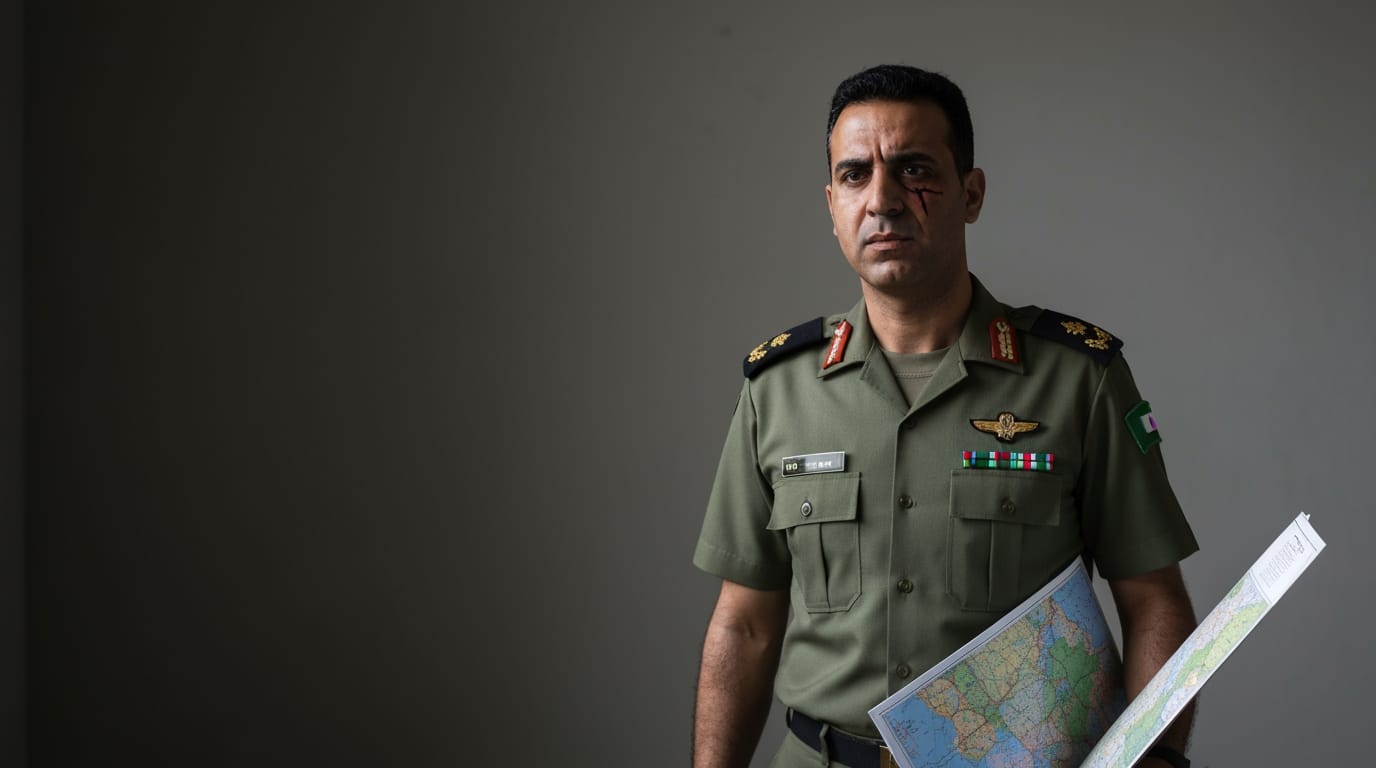
GENEVA – After months of simmering tensions and outright conflict that reshaped the geopolitical landscape, the United States and Iran have reached an interim peace agreement, or Memorandum of Understanding (MOU), aimed at halting hostilities and paving the way for further negotiations. The agreement, set to be formally signed in Geneva on June 19, 2026, emerges from the shadow of the recently concluded "2026 Iran War" and represents a fragile ceasefire in a region perpetually on edge. While offering immediate relief from a devastating conflict, the deal highlights the profound complexities of US-Iran relations and raises questions about the long-term stability of the Middle East, especially under the current US administration.
The Scars of Conflict: From Escalation to Interim Truce
The path to this interim deal was paved with significant bloodshed and regional destabilization. The "2026 Iran War" began in earnest on February 28, 2026, with US and Israeli forces launching nearly 900 strikes in 12 hours against Iranian missile sites, air defenses, military infrastructure, and leadership, including an attack that killed Supreme Leader Ali Khamenei. Iran swiftly retaliated with missile and drone strikes targeting US embassies, military installations, and oil infrastructure across the Middle East, leading to thousands of casualties in Iran, Lebanon, Israel, and Gulf Arab states, and displacing millions.
A critical escalation involved Iran's effective closure of the Strait of Hormuz, a vital chokepoint for global oil and gas trade, causing immense economic pain and energy price spikes worldwide. The conflict also saw a direct exchange of fire between Israel and Iran, exposing vulnerabilities and causing significant damage to Iranian military assets. The war's intensity and widespread consequences ultimately compelled both sides to seek an off-ramp, culminating in the current MOU. The agreement is intended to bring the conflict to a formal end within 60 days.
Terms of the Deal: A Temporary Respite with Deep-Seated Issues Unresolved
The Memorandum of Understanding outlines several immediate commitments designed to de-escalate the conflict. Key among them is a 60-day ceasefire, the lifting of the US naval blockade, and the full, toll-free reopening of the Strait of Hormuz, with traffic expected to return to pre-war levels within 30 days. Iran has reiterated its pledge never to develop nuclear weapons, a commitment reinforced by the agreement.
In return, Iran stands to gain substantial economic incentives. The US has committed to issuing waivers for exports of Iranian crude oil and petrochemical products immediately upon the MOU's signing. Furthermore, there is a provision for Iran to tap into a $300 billion development fund and eventually access frozen assets, contingent on meeting commitments related to its nuclear program in subsequent negotiations. The US also commits to withdrawing its forces "from the surrounding areas" within 30 days of a final agreement.
However, the interim nature of the deal leaves many core issues unaddressed. Crucially, the MOU only "paves the way for negotiations on Iran's nuclear ambitions" and other long-standing grievances. Expert analysis suggests that the agreement pushes off the "thorniest nuclear issues" into the future, and skepticism abounds regarding Iran's willingness to agree to serious curbs on its enrichment program. Notably, the MOU does not explicitly mention Iran's ballistic missile program or its extensive network of regional proxies, issues that have long fueled regional instability and remain significant points of contention for the US and its allies.
The Trump Factor: A Legacy of "Maximum Pressure" and Unpredictability
The current interim deal and the preceding conflict are inextricably linked to the foreign policy approach of the present US administration. In 2018, the US, under then-President Donald Trump, unilaterally withdrew from the Joint Comprehensive Plan of Action (JCPOA), commonly known as the Iran nuclear deal. This decision, driven by criticism that the JCPOA was a "horrible, one-sided deal" that failed to adequately address Iran's nuclear program, missile development, and regional malign activities, ushered in a "maximum pressure" campaign of sanctions.
However, the withdrawal and subsequent pressure campaign did not yield a "better deal" as intended. Instead, it prompted Iran to progressively breach the limits on its nuclear program imposed by the JCPOA, significantly expanding its uranium enrichment activities and stockpiles, bringing it closer to weapons-grade material. This escalation was a direct precursor to the 2026 conflict.
Throughout his tenure, President Trump's rhetoric regarding Iran has been characterized by a "rollercoaster" of alternating threats of severe military action and pronouncements of impending peace deals. This unpredictability has created market uncertainty and kept regional actors on edge. Critics point out that the US entered the current nuclear negotiations from a "very weak position" without a credible threat of force, making a lasting diplomatic solution more challenging.
Regional Reckoning and Global Repercussions
The 2026 Iran War and the subsequent interim deal are fundamentally altering the power dynamics and security architecture of the Middle East. The conflict highlighted the vulnerabilities of Gulf states, many of whom bore the brunt of Iranian attacks and faced severe economic disruption due to the closure of the Strait of Hormuz. These states, including Kuwait, Qatar, and Saudi Arabia, are now seeking new security options and greater autonomy, diversifying their partnerships and hedging against US unpredictability.
For Israel, the war and the deal represent a complex outcome. While initial US-Israeli strikes aimed to decapitate the Iranian regime and degrade its nuclear program, the conflict ultimately proved costly and exposed the limits of going it alone. The interim agreement's perceived softening of stance has reportedly caused deep disappointment in Israel.
Globally, the war imposed severe economic consequences, particularly on energy markets, underscoring the critical importance of maritime security in the Persian Gulf. The conflict also revealed shifts in the global order, with China and Russia increasing their influence in the region, partly by supplying Iran and by challenging US unilateralism. The broader implications for global supply chains and the future of international diplomacy are still being assessed.
A Fragile Path Forward
The interim agreement offers a momentary pause in a protracted and dangerous confrontation. While the immediate cessation of hostilities is a welcome development, the underlying issues that fueled the 2026 Iran War remain largely unresolved. The coming 60 days of negotiations are critical, but many experts are skeptical that a truly comprehensive and durable deal can be achieved, given the deep mistrust, divergent strategic objectives, and the current US administration's oscillating approach.
The "war that changed the Middle East" has come at a staggering cost, both human and economic. The current interim peace represents a precarious balance, a delicate outcome from a conflict driven by a blend of historical grievances, escalating nuclear activities, and an unpredictable "maximum pressure" strategy. The true test of this agreement, and the long-term prospects for peace in the Middle East, will lie in whether diplomacy can succeed where military action faltered, navigating the complex web of regional rivalries and international power dynamics to forge a sustainable resolution.


