Pride Endures in Kenya Amidst Deepening Challenges and Dwindling Support
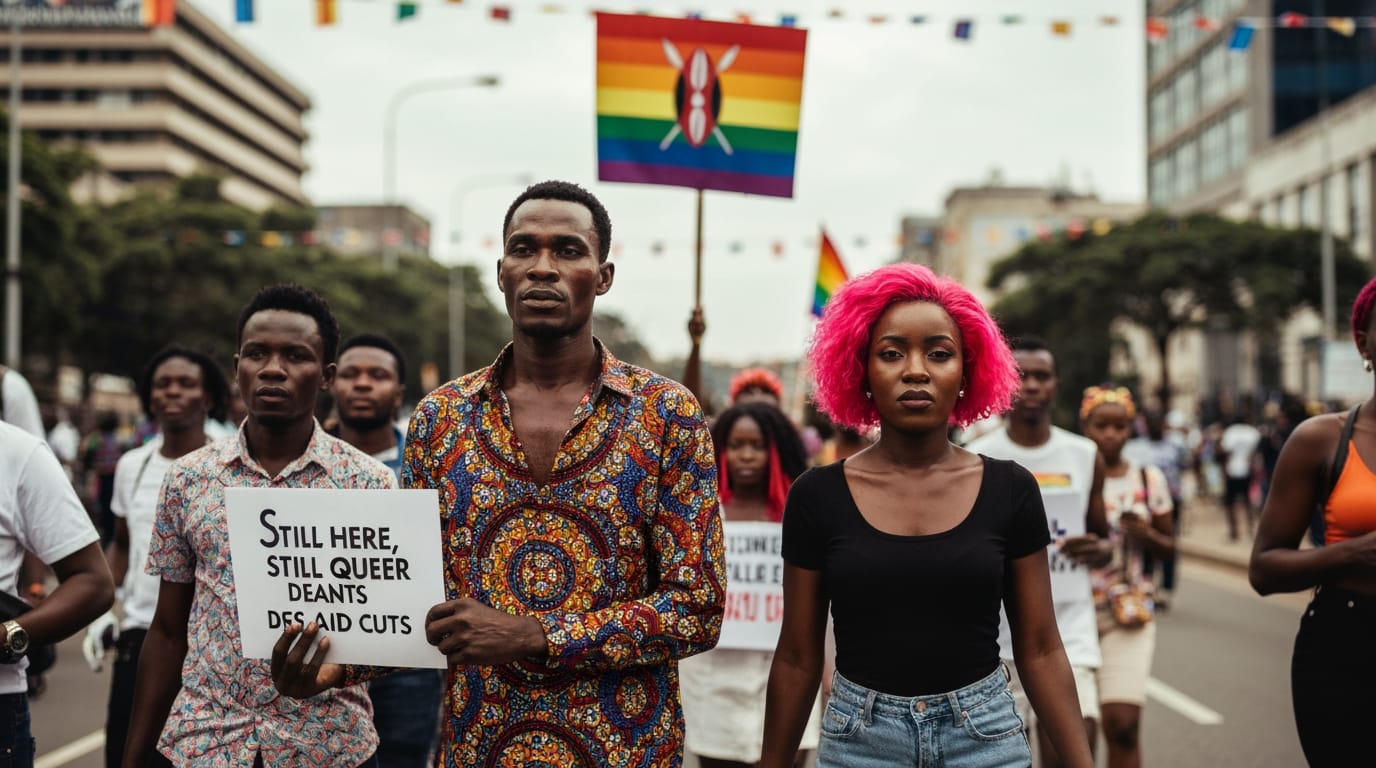
NAIROBI, Kenya – As June marks Pride Month globally, Kenya's LGBTQ+ community continues to navigate a landscape fraught with legal proscriptions, pervasive societal prejudice, and, increasingly, the strain of reduced international aid. Despite these formidable obstacles, the spirit of resilience and community activism remains palpable, with queer Kenyans finding innovative ways to support one another and assert their presence. Their ongoing struggle highlights a critical juncture where human rights advocacy confronts both deeply entrenched local conservatism and shifting global priorities.
The Enduring Legal and Social Straitjacket
The legal framework in Kenya presents significant challenges for LGBTQ+ individuals. Sections 162 and 165 of the Kenyan Penal Code criminalize "carnal knowledge against the order of nature" and "gross indecency" between men, classifying them as felonies punishable by lengthy prison sentences, up to 21 years in some cases. Efforts to decriminalize these statutes have been unsuccessful, with the High Court declining an order to declare them unconstitutional in 2019. Furthermore, the Kenyan Constitution, since 2010, explicitly bans same-sex marriage, and there are no explicit legal protections against discrimination based on sexual orientation or gender identity. While a landmark ruling in August 2025 favored transgender rights, ordering parliament to implement a Transgender Protection Rights Act or amend the Intersex Persons Bill 2024, and intersex individuals are recognized as a third gender, the overall legal environment remains restrictive.
This legal hostility is compounded by a highly conservative society where negative views of LGBTQ+ people are widespread. Homophobia and transphobia manifest as discrimination in housing, employment, and healthcare, alongside experiences of violence, verbal and sexual harassment, corrective rape, conversion therapy, extortion, and blackmail from both community and family members. A 2022 government report revealed that 45% of LGBTQ+ individuals avoided healthcare services due to fear of discrimination, underscoring the profound impact of stigma on access to essential care. Instances of forced anal examinations further illustrate the severe human rights violations faced by the community.
The Double Blow of Aid Reductions
Historically, international aid has played a crucial role in funding LGBTQ+ advocacy and support organizations in Kenya and across the Global South. However, recent years have seen significant cuts and suspensions of this funding, exacerbating the vulnerability of these communities. Programs like the U.S. President's Emergency Plan for AIDS Relief (PEPFAR), which had substantially contributed to HIV prevention and treatment, have faced uncertainty and reductions, leading to tangible consequences on the ground. In Kenya, the suspension of such assistance has been linked to the closure of multiple clinics and job losses in the healthcare sector, directly disrupting HIV treatment for tens of thousands of individuals.
These aid cuts not only jeopardize life-saving services, such as HIV programs, but also threaten the operational capacity of organizations providing crucial support like homeless shelters. Many LGBTQ+ organizations in Kenya find it challenging to raise funds locally due to discriminatory laws and deep-seated societal stigma, making international funding a vital lifeline. The reduction in external support comes at a time when the global human rights ecosystem is already under strain, impacting efforts to protect marginalized groups worldwide. This creates a double burden for Kenyan LGBTQ+ communities, who face increased hostility domestically while losing crucial external support.
The Unyielding Spirit of Community and Mutual Aid
Despite the escalating challenges, Kenya's LGBTQ+ community continues to demonstrate remarkable resilience and a vibrant spirit of activism. Pride Month celebrations, though often held in undisclosed locations for security reasons, proceed as powerful statements of defiance and existence. These gatherings underscore a collective determination to fight for dignity, safety, and liberation in a predominantly hostile environment. The community has also leveraged legal victories, such as the Supreme Court's February 2023 ruling—upheld in September 2023—that allowed the National Gay and Lesbian Human Rights Commission (NGLHRC) to register as a non-governmental organization. This landmark decision reaffirmed the constitutional right to association, providing renewed strength to advocates, even as it triggered a backlash and legislative proposals for harsher penalties against same-sex relations.
In response to both state repression and the instability of international funding, grassroots initiatives have flourished. Organizations like The Trans and Queer Fund (TQF) and the UmaUma Buy Nothing group, both based in Kenya, have developed self-reliant models of mutual aid. These collectives prioritize direct community support, redistributing resources to address immediate needs such as food insecurity, housing, and emergency financial assistance, bypassing the often bureaucratic and project-specific requirements of traditional foreign donors. This community-centered approach has proven critical, particularly as queer Kenyans face higher rates of unemployment, workplace discrimination, and economic vulnerability exacerbated by rising living costs. These groups embody an innovative path forward, focusing on the essential needs of their members and demonstrating that even with aid cuts, the spirit of "still here, still queer" remains strong.
A Continued Struggle for Rights and Recognition
The journey for full rights and acceptance for Kenya's LGBTQ+ community remains long and arduous. The intersection of punitive laws, deep-seated social prejudice, and the withdrawal of international financial support creates a precarious environment. Yet, the persistent advocacy, the resilience in celebrating Pride, and the growth of indigenous mutual aid networks signify an unwavering commitment to human dignity and equality. As Pride Month unfolds, the focus on Kenya's LGBTQ+ community serves as a poignant reminder of the enduring struggle for basic human rights and the powerful impact of community solidarity in the face of adversity.


