Protests Erupt in Germany After Police Shooting of Black Man
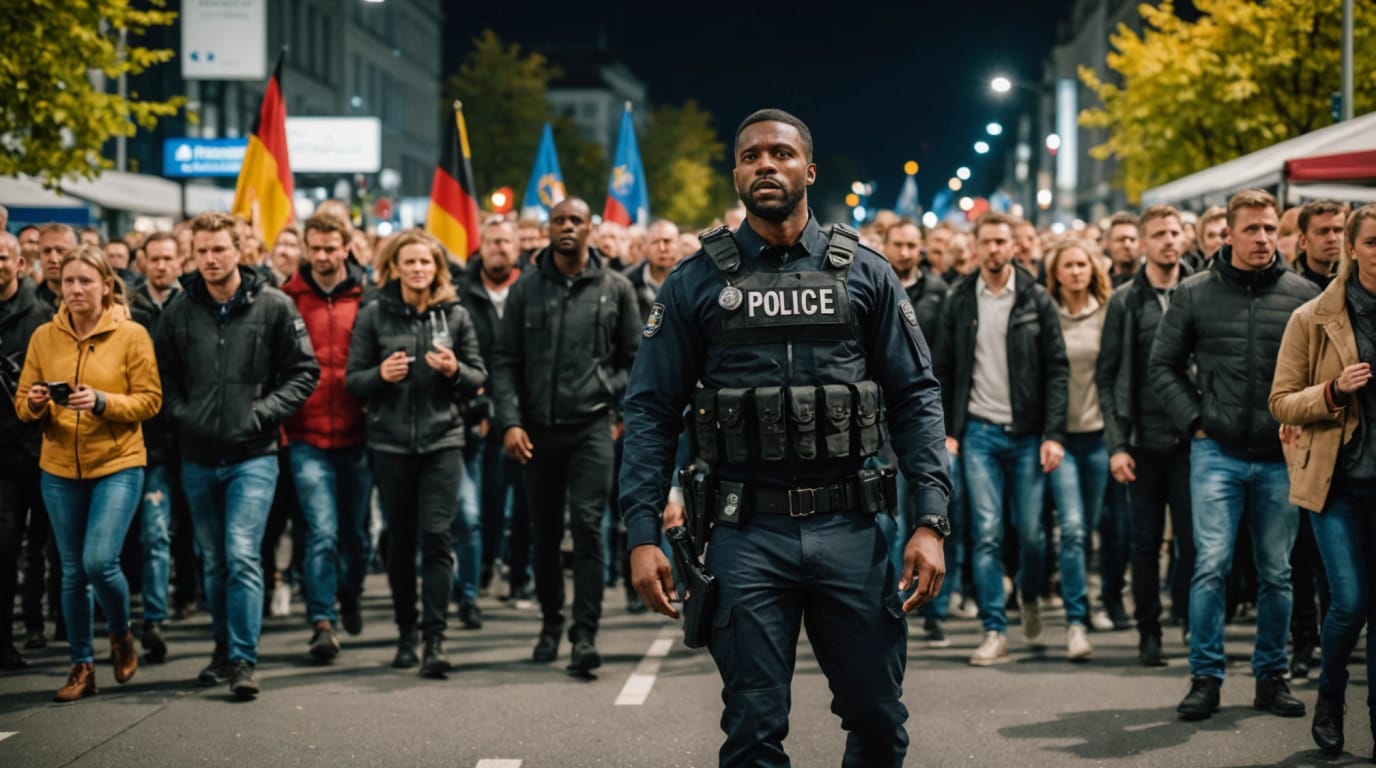
Outrage is sweeping across Germany following the fatal shooting of a 21-year-old Black man, identified as Lorenz, by police in Oldenburg on Easter Sunday. The incident has ignited widespread protests and fueled accusations of racial bias and excessive force within the German police force, prompting calls for a thorough and transparent investigation.
The shooting occurred after Lorenz was reportedly denied entry to a nightclub for violating the dress code. Police claim he sprayed pepper spray at security personnel and bystanders before fleeing. Authorities allege that during the subsequent pursuit, Lorenz brandished a knife and later used pepper spray against the officers who confronted him, leading to a 27-year-old officer firing multiple shots. An autopsy revealed that three of the four bullets struck Lorenz from behind, contributing to the public outcry.
Conflicting Accounts and Community Skepticism
Details surrounding the incident remain contested, with community members expressing deep skepticism about the police narrative. The lack of conclusive verification regarding the presence of a knife at the scene has further fueled doubts and demands for an independent investigation. Critics question whether the use of deadly force was a proportionate response, particularly given the autopsy results indicating that Lorenz was shot in the back.
The "Justice for Lorenz" initiative has emerged as a leading voice in the protests, accusing the police of racial bias and demanding full transparency and accountability. The group organized a rally in Oldenburg on Friday, April 25, drawing thousands of participants who voiced their anger and frustration. Social media has played a significant role in amplifying the movement, with the initiative gaining over 10,000 followers and mobilizing support nationwide.
A Pattern of Police Violence?
Lorenz's death has reignited a long-standing debate about the pattern of police violence against Black individuals and other minority groups in Germany. Activists argue that law enforcement officers often exhibit a lower threshold for using lethal force when confronting individuals from these communities. They point to several similar cases in recent years, including the fatal shooting of Lamin Touray, a 27-year-old Gambian man, in March 2024, and Mohamed Lamin Dramé, a 16-year-old Senegalese refugee, in August 2022.
In the case of Lamin Touray, who was reportedly experiencing a mental health crisis, was shot eight times by police. Mohamed Lamin Dramé, who was also in a mental health crisis, was holding a kitchen knife to his own stomach when he was fatally shot. These incidents, along with Lorenz's death, have fueled concerns about systemic issues within the German police force and the need for comprehensive reforms.
Calls for Systemic Change and Independent Oversight
Human rights organizations, including Amnesty International Germany, have condemned the shooting and called for structural racism within the police to be addressed. They are advocating for the establishment of independent investigation mechanisms that are not controlled by local authorities or police forces. These organizations argue that such mechanisms are essential to ensure impartial and thorough investigations into allegations of police misconduct and to hold officers accountable for their actions.
Tahir Della, a spokesperson for the Initiative Black People in Germany, emphasized that the issue is a systemic and institutional problem that must be addressed at a fundamental level. He called for a comprehensive review of police training, policies, and practices to identify and eliminate any biases that may contribute to the disproportionate use of force against minority groups.
Homicide Investigation and Political Response
State prosecutors have launched a homicide investigation into the shooting, and the police officer involved has been suspended from his duties pending the outcome of the investigation. Prosecutors have indicated that the investigation will be extensive, with a focus on examining possible surveillance camera footage and other evidence.
The incident has also drawn attention from political leaders, with some expressing concern about the potential for racial bias in policing and calling for greater efforts to promote diversity and inclusion within law enforcement agencies. However, a comprehensive political response that addresses the underlying systemic issues remains to be seen.
Rare Fatal Shootings and Broader Implications
Fatal police shootings are relatively rare in Germany compared to other countries, such as the United States. However, the recent incidents involving Black individuals have raised concerns about whether existing oversight mechanisms are sufficient to prevent abuse and ensure accountability. The outcome of the homicide investigation and any subsequent legal proceedings will be closely watched as a test of the German justice system's ability to address allegations of police misconduct and racial bias.
The protests and public debate surrounding Lorenz's death have highlighted the need for a broader societal conversation about race, policing, and justice in Germany. The incident has served as a catalyst for renewed efforts to challenge systemic inequalities and promote a more equitable and just society for all.
A Community Mourns and Demands Justice
As the investigation continues, the community in Oldenburg and across Germany mourns the loss of Lorenz and demands justice. The protests are a testament to the deep-seated anger and frustration that exist within Black communities and among anti-racism advocates. The calls for transparency, accountability, and systemic change are likely to persist until concrete actions are taken to address the underlying issues that contributed to this tragic event. The case serves as a stark reminder of the ongoing challenges in ensuring equal protection under the law and preventing police violence against marginalized communities.


