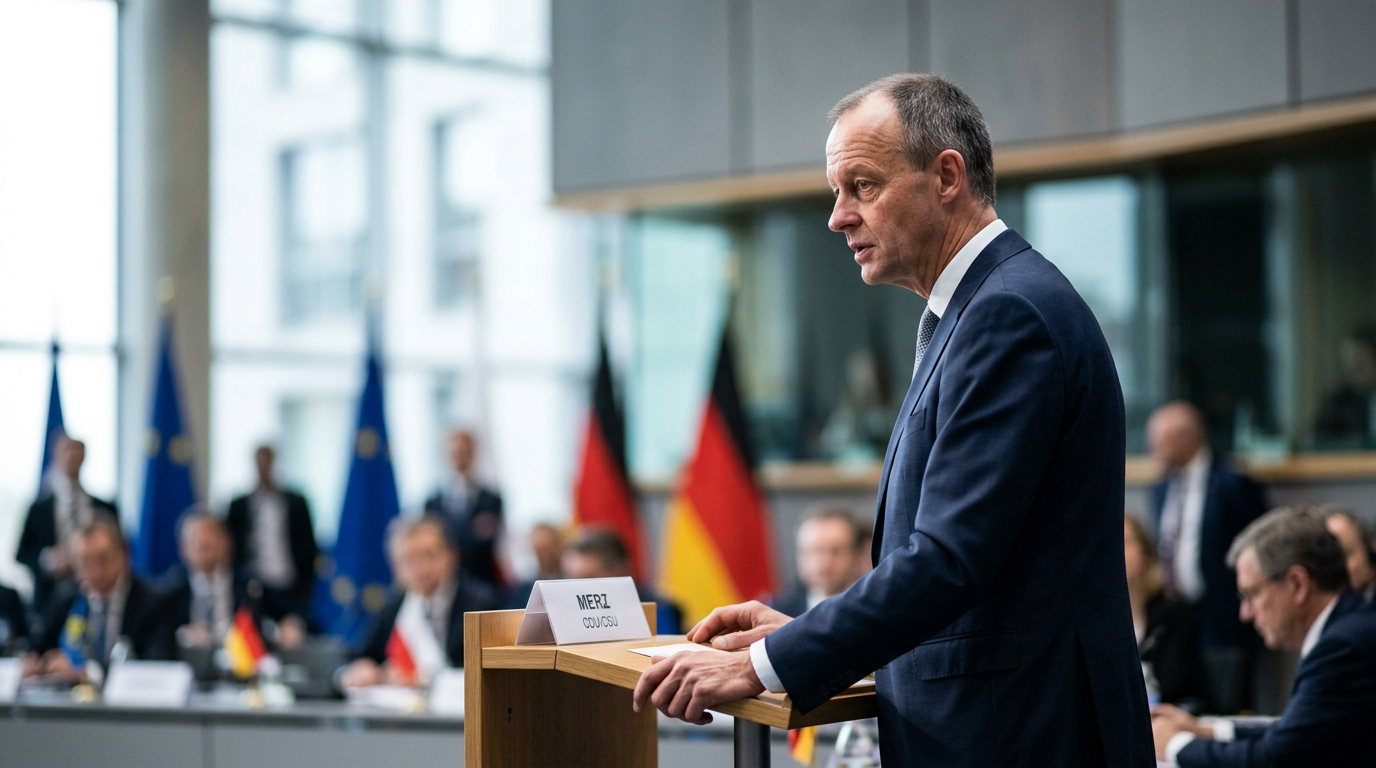
Public Transport Grind to a Halt Across Germany as Widespread Strikes Cause Nationwide Disruption

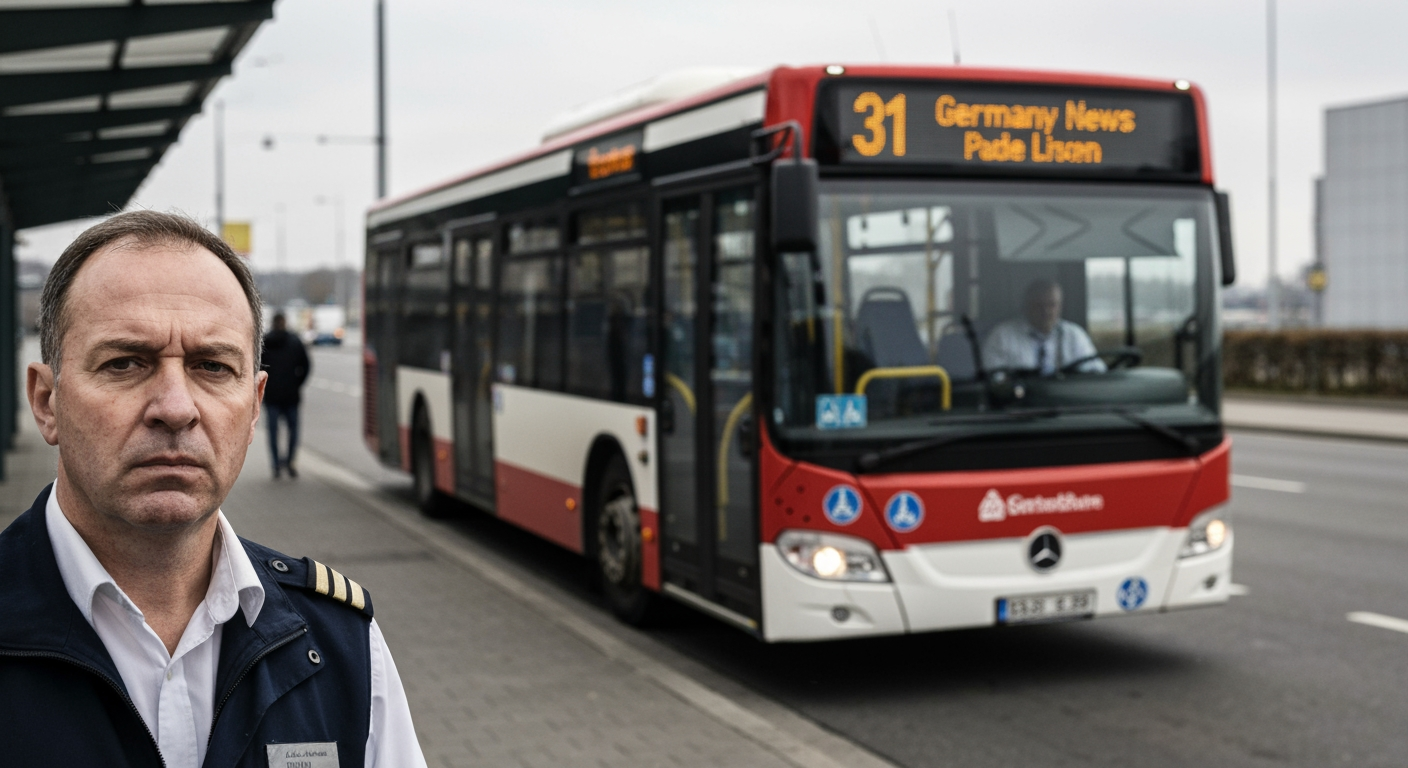
BERLIN, GERMANY – Millions of commuters and tourists across Germany are facing severe travel disruptions as public transport workers, represented by the powerful Ver.di trade union, launched a two-day nationwide strike on Friday, February 27, 2026. The industrial action, primarily affecting U-Bahns (subways), trams, and buses, has brought local urban mobility to a near standstill in major cities and regions, signaling escalating tensions in ongoing collective bargaining negotiations.
The 48-hour walkout, which began in the early hours of Friday morning, is expected to continue through Saturday, with some disruptions potentially lingering into Sunday morning in certain areas. The strike impacts local transport services across all 16 federal states, affecting approximately 100,000 employees at 150 municipal transport companies. This widespread action follows a warning strike earlier in February, as Ver.di seeks to exert pressure on employers in the fifth round of negotiations for a new collective bargaining agreement.
Crippled Commutes and Tourism Fallout
The impact on daily life is immediate and significant. Major urban centers such as Berlin, Hamburg, Cologne, Düsseldorf, Munich, and Frankfurt are experiencing extensive cancellations of subway, bus, and tram services, turning morning rush hours into scenes of frustration and extended travel times. While services operated by Deutsche Bahn, including S-Bahns, regional, and long-distance trains, remain largely unaffected, the absence of local transit forces many to seek alternative transportation, contributing to increased traffic congestion and a surge in demand for taxis. Ride-hailing platforms reported a substantial increase in requests, with some cities experiencing a fourfold rise in demand.
Beyond commuters, Germany's vital tourism sector is also bearing the brunt of the industrial action. Major tourist destinations like Berlin, Munich, and Frankfurt, renowned for their efficient public transport systems, are grappling with unprecedented disruption. This not only complicates travel for visitors but also threatens significant economic losses for hotels, restaurants, and cultural attractions, as reduced accessibility leads to lower attendance. Trade fairs, a crucial element of the German economy, have also seen attendance drops during previous strike actions, highlighting the broader financial repercussions. Cross-border travel, particularly bus and rail links with neighboring countries like Czechia, is also experiencing ripple effects due to disruptions at German transport hubs.
Core Demands: Working Conditions at the Forefront
The current wave of strikes is primarily driven by Ver.di's demands for substantial improvements in working conditions for public transport employees. The union's key proposals in collective bargaining negotiations include:
- A reduction in weekly working hours and the overall length of shifts.
- An increase in mandatory rest periods between shifts, aiming for a minimum of 11 hours.
- Higher allowances for employees working night-time hours and during weekends.
- In some regions, such as Berlin, specific demands also include more vacation days and increased vacation pay.
Ver.di officials emphasize that these demands are crucial for the long-term viability and functionality of public transport services. The union argues that employees are under high stress, face unfavorable shifts, and that current conditions contribute to staff shortages and high turnover rates. Improving these conditions, according to the union, would attract more personnel to the sector, ultimately leading to greater reliability and a more efficient public transport system for all.
Stalled Negotiations and Employer Opposition
Despite multiple rounds of negotiations, Ver.di representatives express disappointment over the lack of significant progress. Employers, while acknowledging the right to strike in a democratic society, argue that the union's demands are substantial and exceed the financial capacities of many city-owned transport operators, which often face tight budgetary constraints. For instance, Berlin's transport company, BVG, characterized the strike as a "completely disproportionate escalation," asserting that negotiations in the capital were proceeding according to schedule. This fundamental disagreement over the feasibility and necessity of the union's proposals has led to the current impasse, culminating in the widespread industrial action.
A Broader Context of Labor Unrest
These public transport strikes are not an isolated event but rather part of a broader pattern of industrial action observed across Germany in recent years. The country has experienced a wave of labor disputes in various sectors, including airports, railways, and postal services, often driven by unions seeking better wages and working conditions amidst persistent inflation and rising living costs. While earlier strikes, such as the major nationwide walkout in March 2023 involving both Ver.di and EVG, focused heavily on substantial pay increases to offset inflation, the current action highlights a growing emphasis on non-monetary working conditions.
The recurring nature of these strikes underscores the ongoing challenges in balancing worker demands for improved conditions with the financial realities faced by public service providers. As negotiations remain stalled, the current 48-hour strike serves as a powerful demonstration of the union's resolve, leaving millions across Germany navigating disrupted travel and anticipating the future trajectory of these critical labor disputes.
Related Articles

Ratko Mladić, "Butcher of Bosnia" and Convicted War Criminal, Dies at 84
THE HAGUE, Netherlands – Ratko Mladić, the former Bosnian Serb military commander known as the "Butcher of Bosnia" and convicted of genocide, war crimes, and crimes against humanity, has died at the age of 84. Serbian...

Long-Awaited 9/11 Mastermind Trial Set for 2028, Decades After Attacks
GUANTANAMO BAY, Cuba – Nearly a quarter-century after the devastating terror attacks of September 11, 2001, a military judge has finally set a trial date for Khalid Sheikh Mohammed, the alleged mastermind behind the...