Regional Tensions Erupt in Dubai, Challenging Influencers' Curated Realities
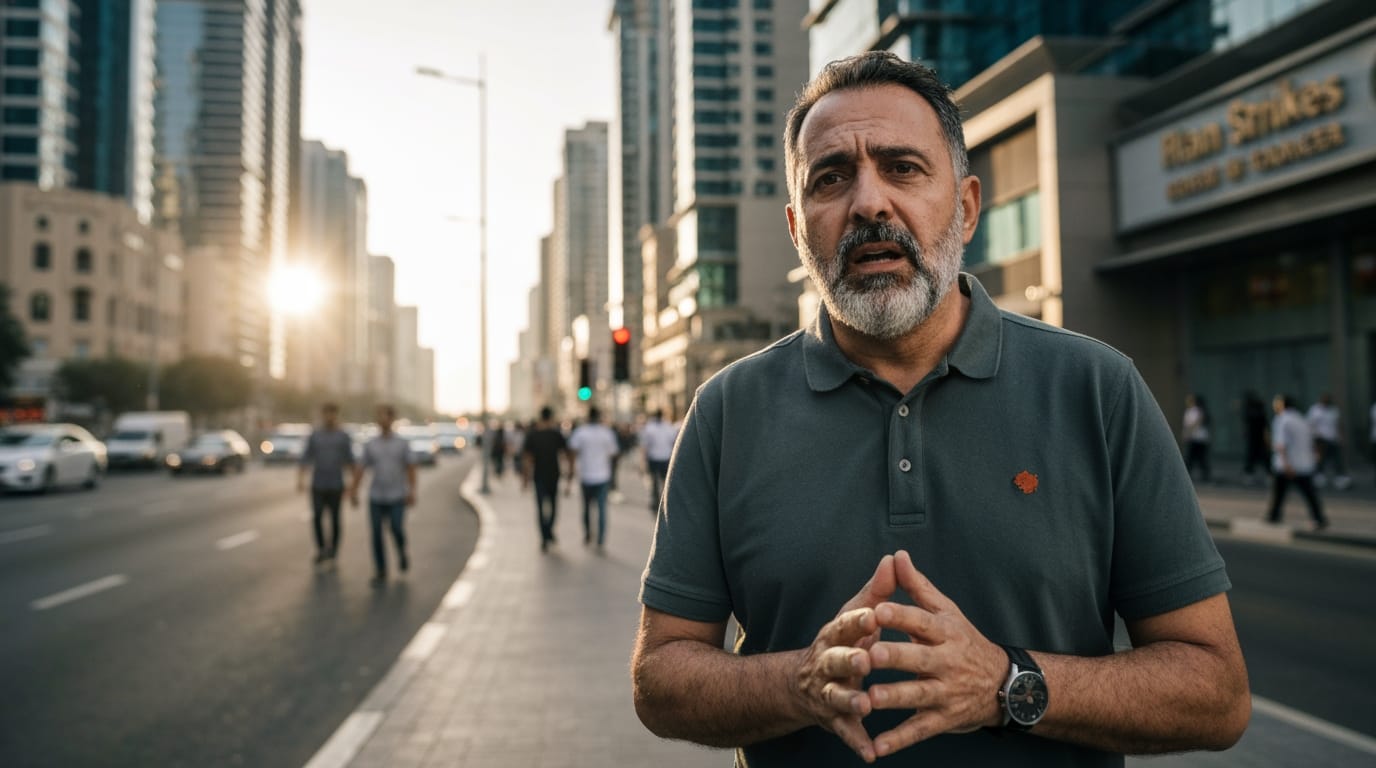
DUBAI, UAE – The recent barrage of Iranian missile and drone strikes targeting Dubai has starkly disrupted the opulent, meticulously curated world of the city's vast influencer community, exposing the fragile underpinnings of a lifestyle often portrayed as impervious to geopolitical turmoil. The attacks, which caused damage to key infrastructure including the airport and several high-profile hotels, have not only shattered Dubai's image as an unassailable sanctuary but also forced its digital elite to grapple with the complex intersection of global conflict, brand obligations, and the nuanced boundaries of public expression in a crisis.
The Shattered Mirage of Stability
For years, Dubai has cultivated an image as a beacon of stability and luxury in a volatile region, attracting a global cohort of entrepreneurs, millionaires, and, notably, a thriving community of social media influencers. This allure was built on business-friendly policies, a tax-free environment, and a perceived detachment from regional conflicts. However, that illusion was dramatically pierced as Iranian drones and missiles targeted the emirate, reportedly in response to earlier U.S. and Israeli strikes on Iran.
The attacks brought a sudden and violent awakening to residents. Reports indicated damage to Dubai's busy airport, where officials confirmed four staff injuries and damage to a concourse. Several high-profile hotels and landmarks were also struck, prompting the closure of the airport and a frantic scramble among the wealthy to secure private jets for immediate departure. The United Arab Emirates (UAE) defense ministry confirmed it continued to intercept incoming projectiles, underscoring the severity and persistence of the threat. The regional escalation also led to the UAE announcing the closure of its embassy in Tehran. The visual spectacle of smoke plumes rising above skyscrapers, a sight previously unimaginable in the gleaming metropolis, quickly became a chilling reality for millions.
Influencers Confront a New Reality
The immediate aftermath of the strikes saw a spectrum of reactions from Dubai-based content creators, many of whom found their carefully constructed online personas colliding with the raw reality of a city under attack. Israeli wellness influencer Hofit Golan captured the widespread shock, repeatedly exclaiming "OMG!" in a video that showed a building near her apartment ablaze. British content creator Will Bailey provided real-time updates to his Instagram and TikTok followers, filming missile trails and interceptor rockets, noting a strike that landed "metres away" from the Fairmont hotel. French influencer Maeva Ghennam recounted screaming hysterically upon hearing a strike.
These visceral reactions highlighted the abrupt end to the "VIP experience" many had come to expect in Dubai, replacing it with the unsettling experience of being woken by exploding missiles in the middle of the night. While some influencers conveyed genuine fear and disorientation, others attempted to project a sense of calm. Real estate consultant Deepti Mallik, filming from a beach amidst sunbathers, sought to reassure viewers that there was "nothing to be scared of," asserting the country's commitment to residents' security. These varied responses underscored a critical challenge: how to navigate a crisis when one's public identity is intertwined with an aspirational, largely unblemished lifestyle.
The Digital Dilemma: Content, Contracts, and Public Perception
The attacks brought to the forefront a significant "disconnect" between the typical content produced by Dubai's influencers and the gravity of the unfolding crisis. Many content creators, often "contractually bound" to brands, faced the awkward necessity of continuing to post routine promotional material, even for mundane items like shampoo, amidst reports of destruction and fear. This adherence to commercial obligations, while understandable from a business perspective, risked appearing "indecent in the eyes of the public," generating a perception of profiting while "the world is burning".
This scenario subtly highlighted the implicit limitations on free expression faced by influencers. While not direct government censorship, the pressures from brand contracts, the desire to maintain a positive and aspirational image, and the potential for public backlash against perceived insensitivity, all contribute to a constrained environment for authentic, unfiltered commentary during times of crisis. The meticulously curated online presence that defines an influencer's brand often leaves little room for raw, uncomfortable truths that deviate from a narrative of luxury and stability. French influencer Benjamin Samat, for instance, lashed out at "those who on social media are rejoicing that the French are going through this," expressing a sentiment that no one should endure missile attacks. This illustrates the internal conflict and the attempt to reconcile their personal experiences with their public platforms, often navigating a fine line between sincerity and maintaining an idealized image.
Broader Implications for Dubai and the Region
The Iranian strikes have profound implications extending beyond the immediate disruption to influencer lifestyles. They signal a significant escalation in regional tensions, drawing Dubai, a global economic and tourism hub, more directly into a conflict zone. The "image of safety has been shattered," a consequence that could have long-term repercussions for Dubai's appeal to international investors, tourists, and, critically, the high-net-worth individuals and digital nomads it has assiduously courted.
The attacks were contextualized within a broader regional conflict, with drones and missiles reportedly launched "in response to US and Israel strikes on Iran". This suggests that what was once perceived as a buffer zone from regional geopolitical strife is now potentially a direct target in an escalating conflict. The scramble of wealthy individuals to leave the city via private jets, coupled with thousands of tourists stranded at sea on cruise ships due to port closures, underscores the fragility of perceived security and the rapid impact of conflict on civilian life and global commerce. The long-term challenge for Dubai will be to rebuild not just its damaged infrastructure, but also its reputation as a safe, neutral haven in a region increasingly defined by instability.
Conclusion
The recent Iranian strikes against Dubai have served as a stark and sobering reminder of the interconnectedness of global affairs, even for those living in what was once considered a detached oasis of luxury. For the city's thriving influencer community, the attacks represented a jarring collision between their carefully constructed digital realities and the unpredictable, often brutal, realities of geopolitical conflict. The experience has implicitly challenged the boundaries of their public expression, forcing a difficult balance between brand obligations, personal safety, and the public's expectation of authentic engagement during a crisis. As Dubai assesses the damage and seeks to restore confidence, the episode underscores a fundamental shift: no longer entirely isolated, the emirate, and by extension its influential residents, must now navigate a new, more complex reality where regional tensions can, and do, shatter even the most meticulously curated illusions of tranquility.