Renewed Violence Erupts in Gaza: 18 Killed, Rafah Crossing Halted Amid Fragile Ceasefire
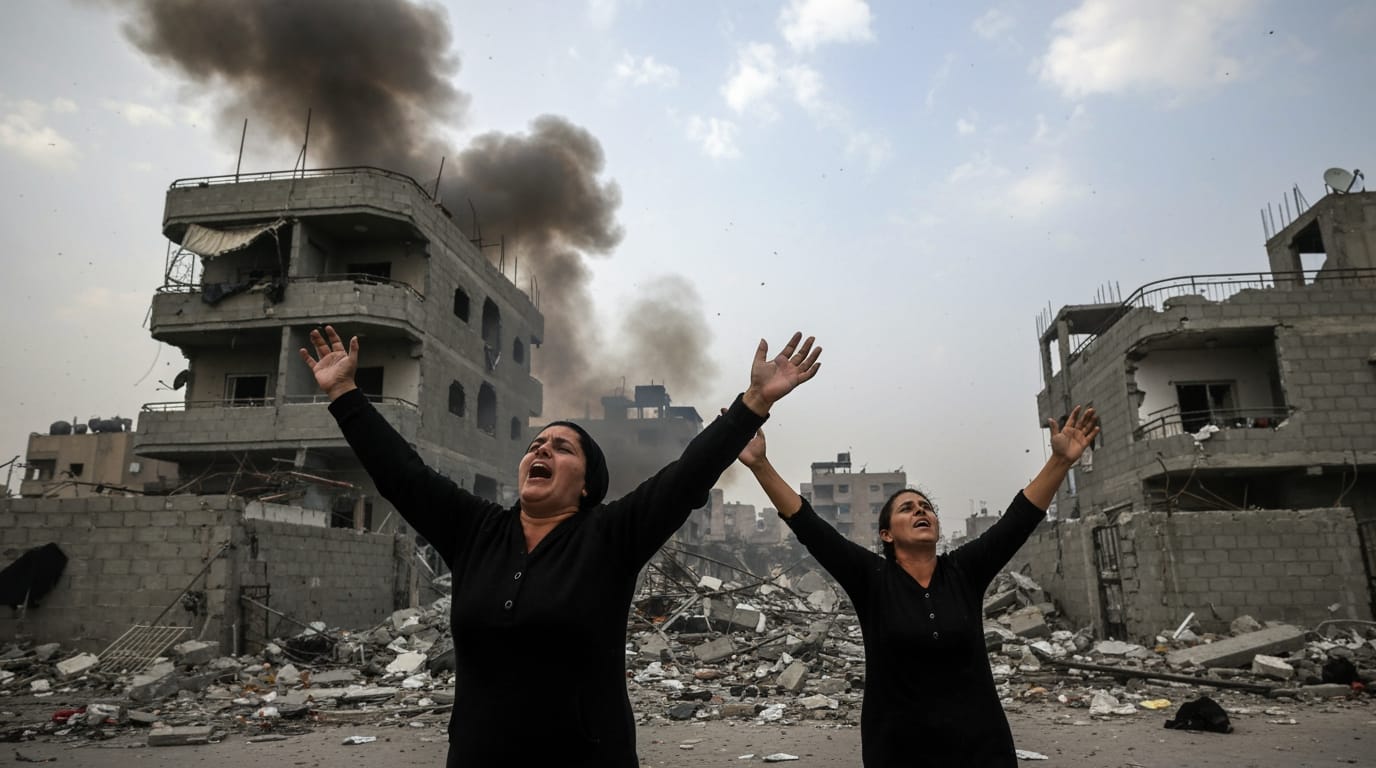
GAZA CITY – Eighteen people, including four children, were killed in Israeli tank shelling and airstrikes across the Gaza Strip on Wednesday, according to Palestinian officials, marking a severe escalation of violence and further straining a fragile ceasefire. The renewed hostilities also led to the suspension of critical patient evacuations through the Rafah border crossing, exacerbating the humanitarian crisis in the besieged enclave.
The strikes hit targets in Gaza City and the southern city of Khan Younis, according to health officials. Palestinian authorities reported that the attacks resulted in the deaths of at least 18 individuals, with four of the victims being minors. This latest surge in fatalities underscores the precarious nature of the region, where a ceasefire agreement, formally in effect since October 10, 2025, has been repeatedly challenged by ongoing military actions and retaliatory attacks.
February 4th Incident: A Day of Renewed Trauma
Wednesday's violence unfolded with intense tank shelling and aerial bombardment. The Israeli military stated its actions were in response to a gunman who had reportedly shot and seriously injured a reservist. This immediate cause, however, quickly spiraled into broader casualties, particularly among the civilian population already bearing the brunt of a protracted conflict. The Israeli strikes killed 11 Palestinians, including a child, in Gaza City alone, while another four were killed in Khan Younis. The impact extended beyond the immediate casualties, as essential medical evacuations through the Rafah border crossing were halted. Palestinian officials reported that Israel stopped the passage of patients to Egypt, despite many having prepared for transfer. A spokesperson for the Palestinian Red Crescent Society confirmed that the World Health Organization had informed them of the cancellation of patient evacuations. This stoppage stranded critically ill and injured individuals who were awaiting urgent medical treatment outside Gaza, a lifeline for many in the devastated territory. The Israeli agency COGAT, which oversees access to Gaza, maintained that the Rafah crossing remained open but cited a lack of necessary coordination details from the World Health Organization for facilitating the crossings.
Fragile Ceasefire Under Constant Threat
The recent deaths on February 4, 2026, represent another significant breach of the ceasefire agreement that was established in October 2025. This agreement aimed to bring a halt to the intense fighting that has plagued the region. However, the period since its implementation has been far from peaceful, marked by continuous violations and escalating death tolls. As of January 31, 2026, the ceasefire had seen continued Israeli violations, with attacks killing over 490 Palestinians since October 10, 2025. Hamas has frequently condemned these strikes as "renewed flagrant violations" and has called on international mediators to pressure Israel to cease its military actions.
The ceasefire included the establishment of a "yellow line," a physical partition within the Gaza Strip intended to delineate zones from which Israeli forces were to withdraw. However, medical sources and eyewitnesses have reported that strikes, including those resulting in deaths, have occurred within this zone, further complicating adherence to the agreement. One such incident in October 2025 saw 18 people killed in Israeli airstrikes within the "yellow line," with targets including a home in the Sabra neighborhood and a house in al-Yarmouk. These recurrent breaches highlight the deeply entrenched mistrust and the persistent challenges in maintaining any semblance of peace.
Deepening Humanitarian Crisis
Beyond the immediate loss of life, the ongoing conflict and the repeated violations of the ceasefire have profoundly worsened an already dire humanitarian situation in Gaza. The enclave has been under severe strain, with a significant portion of its population displaced and basic infrastructure largely destroyed. Restrictions on aid entering Gaza have created conditions of widespread hunger and disease. Reports from August 2025 noted that Israeli airstrikes and gunfire killed at least 18 Palestinians, including eight seeking food near aid distribution sites, underscoring the extreme risks civilians face in their daily struggle for survival.
As of early 2026, ground conditions in Gaza remain critical. Millions face winter conditions in temporary shelters and makeshift camps, grappling with poor nutrition, inadequate sanitation, and a severely depleted medical system. The ban on 37 international non-governmental organizations from providing services to Palestinians, imposed by Israel in January 2026, has further complicated recovery efforts and deepened the crisis. The cumulative death toll since the war began on October 7, 2023, is staggering, with over 71,803 Palestinians killed and more than 171,500 injured, according to the Gaza Health Ministry. A significant proportion of these casualties are civilians, including women and children.
Stalled Diplomacy and Regional Tensions
The recent escalation occurs within a broader context of stalled diplomatic efforts and heightened regional tensions. The United States has been actively involved in mediating a peace plan, with a focus on a two-phase ceasefire. The first phase involved the initial ceasefire, while the second phase, declared in January 2026, was intended to focus on the disarmament of "unauthorised personnel" as a precondition for reconstruction. A "Board of Peace" was also proposed to govern Gaza, with some 60 countries invited to join, though its remit and the sweeping powers granted to it have faced criticism and objections from several key U.S. allies.
Despite these diplomatic overtures, the near-daily violence and continued violations, such as those witnessed on Wednesday, consistently undermine progress. Key issues, including the withdrawal of Israeli forces from over 50% of Gaza currently under their control and the disarmament of Hamas, remain unresolved. The ongoing hostilities contribute to a volatile regional environment, with fears of a wider conflict persisting amidst past retaliatory threats following the killings of key figures. The constant cycle of violence, responses, and breaches of agreement perpetuates a climate of instability, leaving the prospect of lasting peace increasingly distant.
A Cycle of Loss and Uncertainty
The events of Wednesday, February 4, 2026, serve as a stark reminder of the enduring human cost of the conflict in Gaza. Eighteen lives lost, including children, and the interruption of vital medical aid underscore the continuous suffering of the civilian population. While ceasefire agreements are in place, their consistent violation paints a grim picture of persistent instability and a deep chasm of mistrust between the warring parties. The humanitarian crisis continues to deepen, and diplomatic efforts struggle to gain traction against a backdrop of ongoing violence. As the region grapples with yet another wave of casualties, the path toward a sustainable resolution appears fraught with immense challenges, leaving the people of Gaza trapped in a relentless cycle of trauma and uncertainty.


