Rising Tensions: Could a War of Words Between Israel and Turkey Escalate?
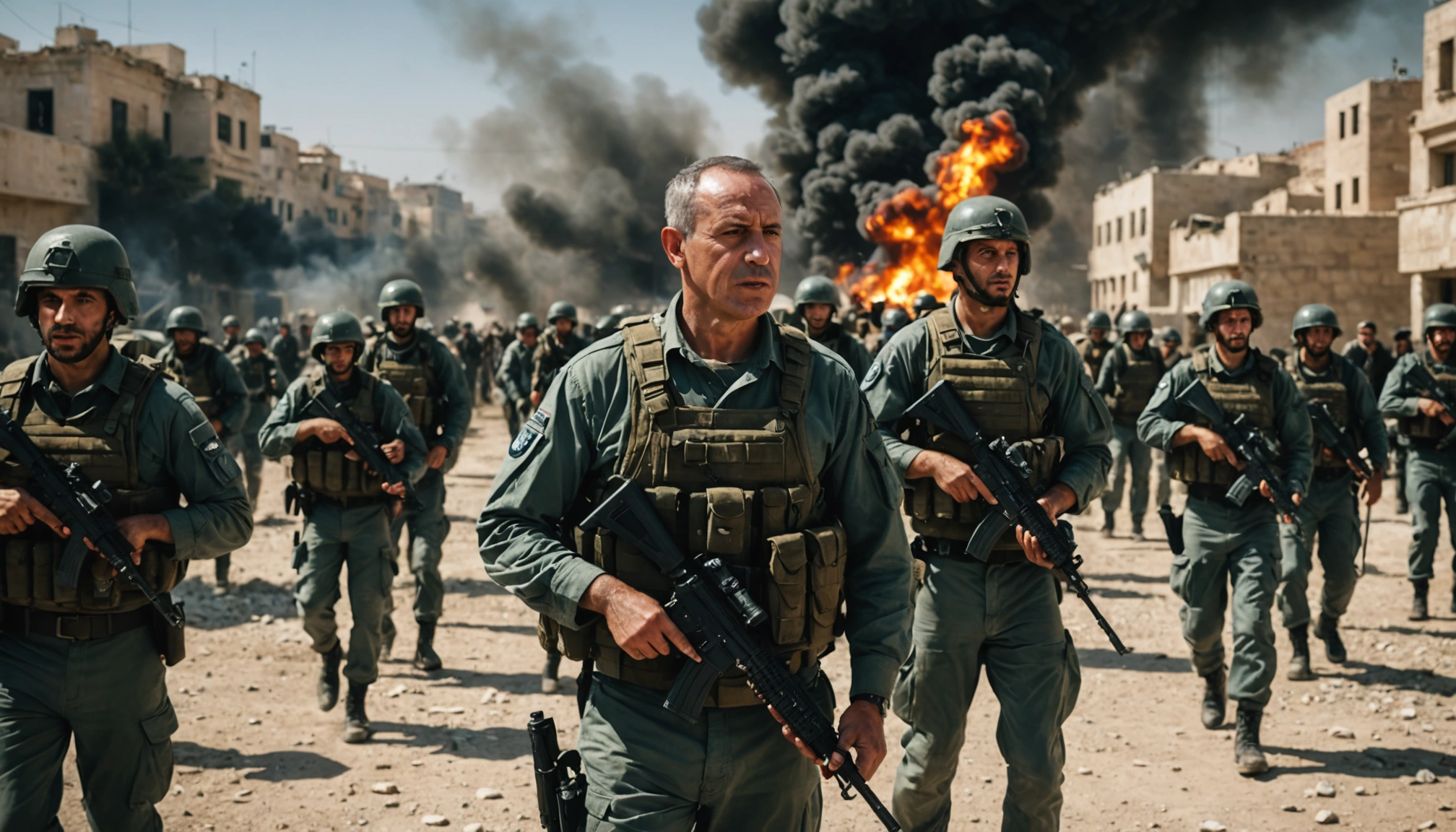
Relations between Israel and Turkey, once strong allies, have deteriorated significantly in recent years, raising concerns about a potential escalation from a war of words to a more direct confrontation. While a full-scale war remains unlikely in the short term, the increasing tensions, particularly surrounding the conflict in Gaza and Turkish involvement in Syria, are creating a dangerous environment.
A Rocky History
Israel and Turkey formally established diplomatic relations in 1949, with Turkey becoming the first Muslim-majority country to recognize Israel. The two nations prioritized cooperation in diplomacy and military strategy, sharing concerns about regional instability. The 1990s were considered a "honeymoon period," marked by increased military cooperation and mutual strategic interests, particularly as a buffer against Syria and Iran.
However, relations began to sour in the 2000s, especially under the leadership of Turkish President Recep Tayyip Erdoğan. Erdoğan has been an outspoken critic of Israel's policies toward Palestinians, and the 2008-09 Gaza War and the 2010 Gaza flotilla raid further strained ties. Despite attempts at reconciliation, relations have continued to fluctuate, reaching a new low following the October 7, 2023, Hamas attack on Israel and the subsequent Israeli military response in Gaza.
Gaza: A Major Point of Contention
The ongoing conflict in Gaza has become a major flashpoint in Israeli-Turkish relations. Turkey has strongly condemned Israel's actions, accusing it of war crimes and genocide. Erdoğan has been particularly vocal, severing all diplomatic relations with Israel in November 2024 due to its "reluctance to end the war in Gaza." Turkey has also blocked NATO-Israel cooperation and halted all trade with Israel in May 2024.
Israel, on the other hand, is frustrated by Turkey's ties with Hamas, which it considers a terrorist organization. Despite the tensions, some level of contact continues between the two countries' security and economic sectors.
Syria: A New Battleground for Influence
The situation in Syria, particularly following the overthrow of President Bashar al-Assad in December 2024, has further exacerbated tensions. Turkey, which long backed groups opposed to Assad, has emerged as a key player in Syria, advocating for a stable and united country under a central government. Israel, however, is concerned about Turkey's growing military presence and influence in Syria, particularly its support for Islamist factions.
Israel fears the potential creation of a Sunni Islamist axis aligned with the Muslim Brotherhood, led by Turkey, stretching through Syria and potentially threatening its security. Israeli officials have stated they will not tolerate a Syrian military presence south of Damascus and have threatened to invade a Damascus suburb to protect the Druze minority.
Military Capabilities and Strategic Considerations
While a direct military confrontation between Israel and Turkey is considered unlikely in the short term, the possibility cannot be entirely dismissed. A report by the Nagel Commission, an Israeli government commission, warned of the potential for conflict with Turkey, particularly in the northern region of Syria.
A comparison of the two countries' military strengths reveals a complex picture. While Turkey has a larger military and a more extensive navy, Israel possesses a more technologically advanced air force and greater combat experience. Israel also has a qualitative edge in intelligence gathering and special forces.
However, Turkey is investing heavily in its defense industries, modernizing its military and developing long-range missile capabilities, which could potentially threaten Israel directly.
The Role of the United States
The United States plays a crucial role in the relationship between Israel and Turkey, as both countries are close allies of Washington. The US has historically attempted to mediate between the two nations and to de-escalate tensions.
However, conflicting interests in Syria and other regional issues could strain US relations with both countries. Some analysts believe that the US could use its influence to restrain both Ankara and Tel Aviv and prevent a military confrontation.
Implications for Regional Stability
Escalating tensions between Israel and Turkey have significant implications for regional stability. A direct conflict would not only disrupt the already fragile security situation in Syria but also undermine international diplomatic efforts to resolve the conflict.
Furthermore, increased tensions could fuel extremism and instability in the region, potentially leading to a wider conflict. It is therefore crucial for both countries to exercise restraint and to engage in dialogue to address their differences.
A Precarious Balance
The relationship between Israel and Turkey is currently in a precarious state. While a full-scale war remains unlikely, the escalating tensions, particularly surrounding Gaza and Syria, are creating a dangerous environment. The future of their relationship will depend on their ability to manage their conflicting interests, exercise restraint, and engage in meaningful dialogue. The role of the United States as a mediator will also be critical in preventing further escalation and promoting regional stability.
Related Articles


Mounting Frustration Grips Russia as Economic Hardship and War's Toll Deepen
Moscow, Russia – A palpable shift in public sentiment is emerging across Russia, with growing frustration among citizens fueled by a confluence of economic pressures, increasing internet restrictions, and the undeniable...


Germany's Strategic Calculus: Ukraine Aid is an Investment in European Security, Not Charity
Berlin – The ongoing provision of substantial aid to Ukraine by Germany and its allies is increasingly being framed not as an act of altruism, but as a crucial investment in European security and stability. This...