Rome Buzzes as Iconic Vespa Celebrates 80 Years of Italian Style and Freedom
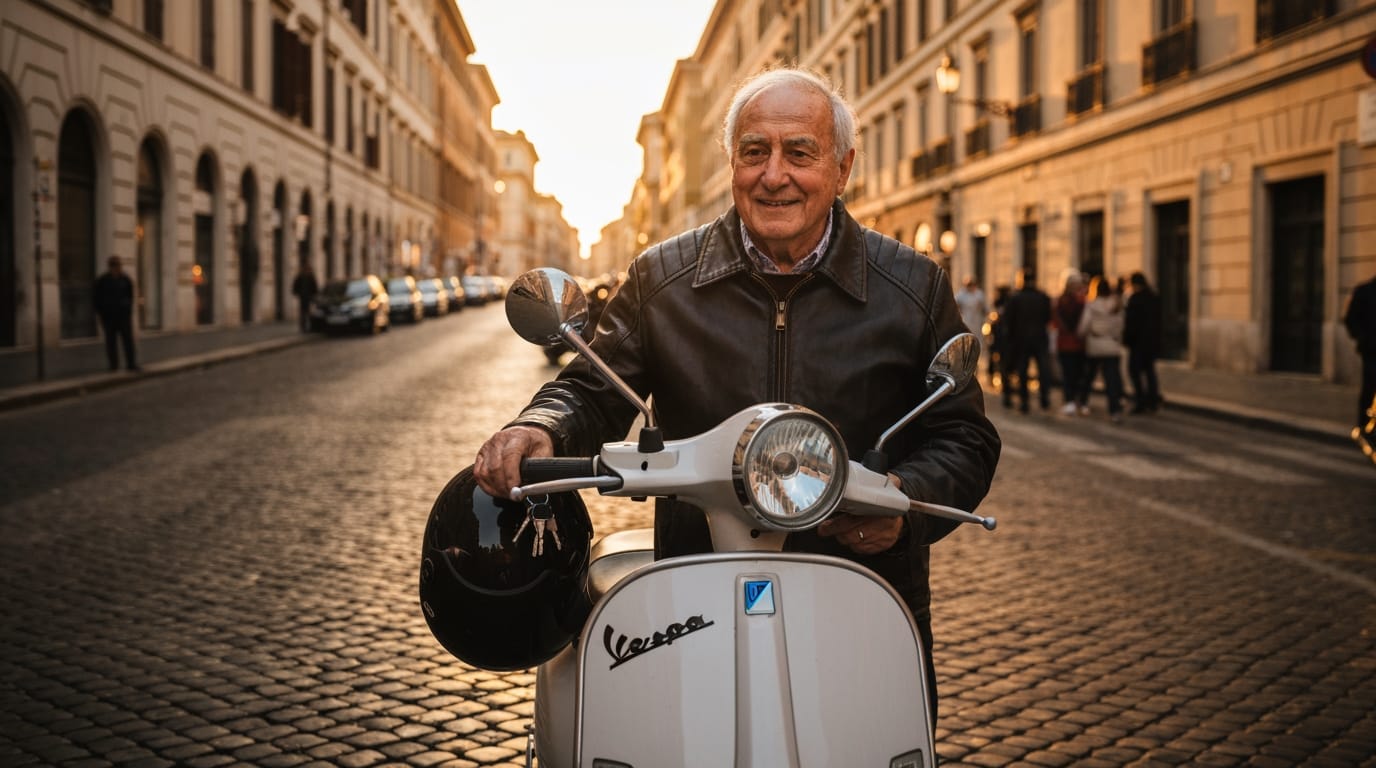
Rome, Italy – The Eternal City is alive with the distinctive hum of engines this week as thousands of enthusiasts converge to celebrate the 80th anniversary of Italy’s most iconic two-wheeled vehicle, the Vespa scooter. From June 25 to 28, the Italian capital is hosting "Vespa Roma 2026 – 80 Years of an Icon," a four-day festival marking a significant milestone for a brand synonymous with post-war rebirth, cinematic romance, and enduring freedom. The event is set to be the largest celebration in Vespa's history, drawing "Vespisti" from more than 60 countries to participate in parades, exhibitions, and festivities across the city.
A Global Gathering for an Italian Legend
The heart of the celebratory event is the Foro Italico and the historic Stadio dei Marmi, which have been transformed into an expansive "Vespa Village." This central hub offers a rich program including exhibitions showcasing rare vintage models alongside the latest scooters, entertainment, heritage displays, and various food and shopping opportunities. The highlight of the celebration occurred on Saturday, June 27, when more than 10,000 Vespas "putt-putt-putted" through Rome's historic streets, circling landmarks such as the Colosseum and the Roman Forum, in a grand parade that captivated onlookers and participants alike. Rome Mayor Roberto Gualtieri lauded the scooter as an "Italian icon" known and loved globally, expressing pride in hosting such a remarkable event. The Piaggio Group, manufacturers of Vespa, noted that the scooter, created in 1946 alongside the Italian Republic, has witnessed changing times and generations, embodying Italian creativity and style.
Born from the Ashes of War: Vespa's Humble Beginnings
The Vespa's story began in the immediate aftermath of World War II, a period when Italy's economy was crippled and its infrastructure devastated. Piaggio, originally an aircraft manufacturer whose factories were destroyed by Allied bombings, sought a new direction for its business. Enrico Piaggio, son of the founder, envisioned an affordable and accessible mode of transportation for the masses, a crucial need for a nation striving to rebuild. He commissioned aeronautical engineer Corradino D'Ascanio, who ironically disliked motorcycles, to design a vehicle that was clean, practical, and easy to maintain.
D'Ascanio's innovative design departed significantly from traditional motorcycles. It featured a self-supporting steel body, a low step-through frame, and an engine neatly concealed under a side bonnet, protecting riders from dirt and grease. Upon seeing the prototype, legend has it that Enrico Piaggio exclaimed, "Sembra una vespa!" ("It looks like a wasp!"), inspired by its distinctive shape and buzzing engine sound, thus giving the scooter its enduring name. The design's enclosed nature also made it suitable for women, allowing them to ride comfortably in skirts without concerns about modesty, a thoughtful detail that broadened its appeal. Launched in 1946, the Vespa swiftly became a powerful symbol of Italy's industrial ingenuity and resilience, putting a war-weary nation back on wheels. Its initial success was phenomenal, with Piaggio selling its one-millionth Vespa just 11 years after its inception in 1956.
A Cultural Phenomenon: From Silver Screen to Global Streets
Beyond its role as practical transport, the Vespa quickly transcended its utilitarian purpose to become a global cultural icon. Its sleek Italian design and the spirit of freedom it embodied made it a favorite in popular culture. The scooter's most famous cinematic appearance, and a significant catalyst for its global recognition, came in the 1953 film "Roman Holiday." Audrey Hepburn and Gregory Peck's romantic ride through Rome on a Vespa 125 propelled the scooter into an international status symbol, leading to a dramatic increase in sales, with 100,000 units sold as a direct result.
The Vespa's screen presence didn't stop there. It has since featured in over 1,400 films, including Federico Fellini's "La Dolce Vita" (1960), "Quadrophenia" (1979), "The Talented Mr. Ripley" (1999), and more recently, animated features like "Luca." It also became closely associated with the Mod subculture in the UK and has been embraced by pop icons, solidifying its place in the zeitgeist as a symbol of style, independence, and "la dolce vita."
Evolution and Enduring Appeal
Eighty years since its debut, the Vespa continues to thrive, having undergone approximately 160 restyling updates while faithfully retaining its unmistakable silhouette. Modern Vespa models, such as the GTS 300, GTS 310, Primavera, and Sprint S, seamlessly blend classic Italian aesthetics with contemporary technology and performance. Today's scooters boast advanced features like ABS braking systems, dual disc setups, improved ergonomics, and Bluetooth connectivity, catering to the demands of modern riders while preserving the brand's timeless charm.
With nearly 20 million units produced worldwide, including over two million in the last decade alone, Vespa maintains a strong presence in the global market. It is manufactured in Italy, Vietnam, and India, and sold in approximately 100 countries, with models like the Primavera and Sprint S accounting for over 40% of Piaggio Group's two-wheeler sales. The brand's enduring appeal lies in its blend of iconic heritage, continuous innovation, and its ability to represent a lifestyle of freedom and urban mobility. Even licensed children's electric scooters, mimicking the classic Vespa design, indicate a strong intergenerational connection and demand for the brand.
A Legacy That Continues to Inspire
The grand celebrations in Rome underscore the Vespa's remarkable journey from a post-war necessity to a celebrated global icon. More than just a scooter, the Vespa embodies a piece of Italian history and culture, a testament to innovative design and the spirit of optimism. As thousands of Vespisti from around the world ride through Rome, they are not just celebrating a machine, but a legacy of joy, freedom, and timeless Italian style that continues to inspire across generations and continents. The 80th anniversary serves as a vibrant reaffirmation that the "little wasp" still carries a powerful sting, representing an enduring dream of liberation on two wheels.


