Royal Rift Reopened: Princess Diana’s Brother Levels Stunner Claims Against King Charles III
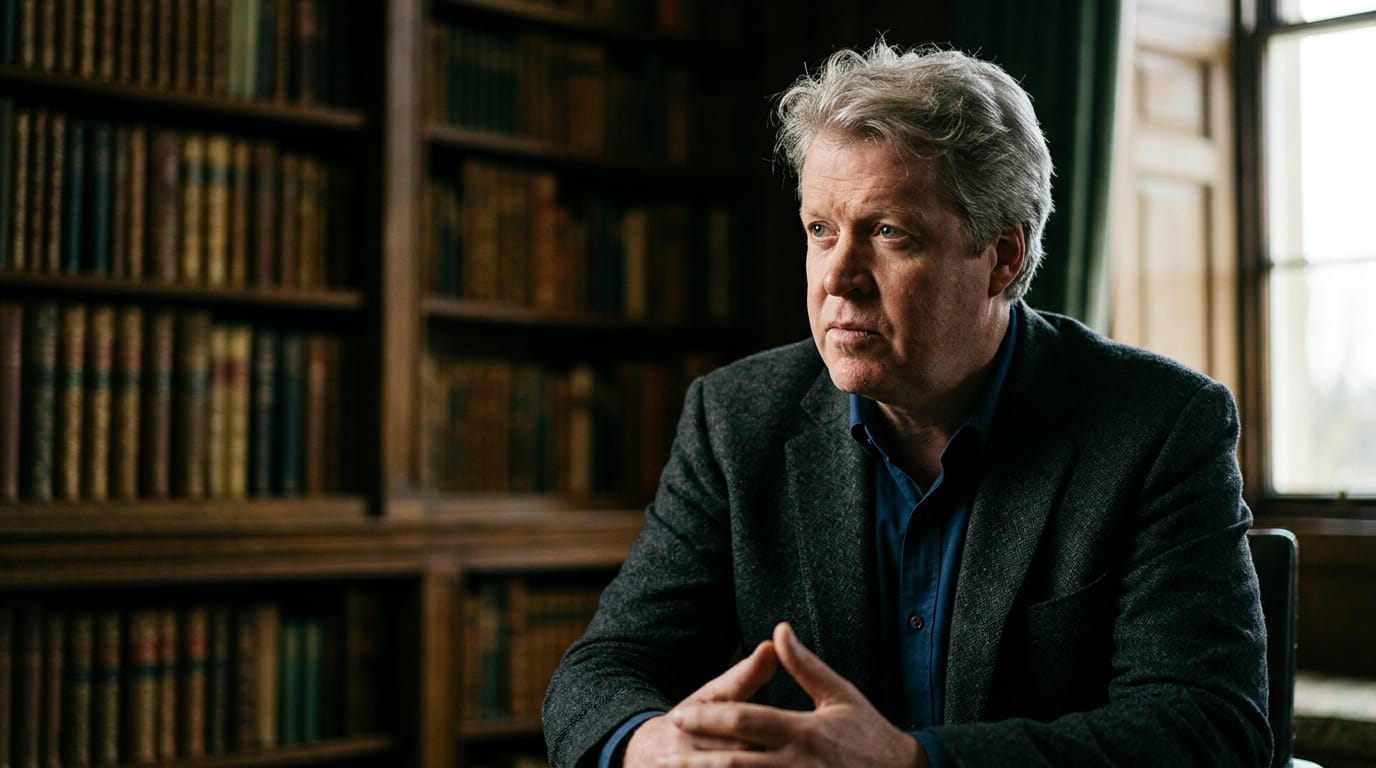
A fierce public battle has erupted between the British royal family and the House of Spencer following sharp accusations published in a new memoir by Charles Spencer, the younger brother of Diana, Princess of Wales. In the newly released volume, titled Swan Song: Diana, My Sister, the 9th Earl Spencer details the chaotic days following Diana’s 1997 death in Paris. He paints an unflattering picture of the palace apparatus, particularly targeting the conduct of then-Prince Charles. The book has prompted an exceedingly rare formal rebuke from Buckingham Palace, exposing long-simmering tensions that have lingered for three decades.
Startling Allegations from the Days After Diana's Death
The core controversy centers on phone conversations Earl Spencer recounts having with the future King Charles III during the immediate aftermath of the car crash that claimed Diana’s life at age 36.
According to excerpts published ahead of the book's release, Spencer characterizes the atmosphere within royal circles as distinctly chilly toward his late sister. In one passage, he alleges that the then-prince exhibited a demeanor that sounded strangely upbeat, comparing the future monarch's tone on the night of Diana’s death to that of a person celebrating unexpected good fortune.
In a subsequent passage detailing the logistics of the funeral arrangements, Spencer claims the future king attempted to downplay Diana’s lasting influence, telling her brother that the public would move past her memory in due course. Spencer further contends that palace courtiers harbored deep relief regarding Diana's absence from the royal circle, arguing that the establishment viewed her immense international popularity as an unwelcome challenge to the monarchy's stature.
The book also revisits the bitter behind-the-scenes dispute concerning the funeral procession. Spencer writes that he fiercely opposed forcing Diana’s sons, Prince William, then 15, and Prince Harry, then 12, to march behind their mother's coffin through central London. He alleges that his objections were met with an angry tirade from Charles, who insisted the royal heirs take part in the solemn walk before millions of onlookers worldwide.
Buckingham Palace Breaks Silence
Buckingham Palace, an institution known for its traditional policy of refusing to comment on private accounts and tell-all publications, broke historical precedent by releasing an official response directly addressing the claims.
In a formal statement, royal officials acknowledged that the monarchy rarely responds to published memoirs, but noted that deep grief over the loss of a sibling can alter judgment, distort reason, and color personal recollections over the course of many years. The palace pointedly stopped short of a hostile denial, opting instead to cast doubt on the accuracy of Spencer’s memory through the lens of unresolved bereavement.
The royal response highlights how sensitive the monarchy remains regarding public perception of its conduct during late summer 1997. Following Diana’s death, the royal family weathered unprecedented public hostility for remaining at their Balmoral estate in Scotland while hundreds of thousands of mourners gathered outside Kensington and Buckingham palaces. By engaging with the claims directly, palace aides have signaled that allegations touching upon the king's private character during that historic crisis will not go unanswered.
Spencer quickly rejected the palace's explanation during broadcast interviews promoting the book. He maintained that his recollections remain sharp and intact, emphasizing that he had only two brief telephone conversations with the prince during those traumatic days. Because the interactions were few, Spencer argued, the specific phrasing and emotional resonance of those moments stayed firmly etched in his mind. He added that he relayed the substance of the conversations to close confidants and television commentators immediately after they occurred.
Sibling Devotion and Historical Legacy
Swan Song marks Spencer’s second major personal volume in recent years, arriving after his 2024 work detailing childhood abuse suffered at an English boarding school. While his previous writing focused on 17th-century historical narratives and the long heritage of the Spencer lineage, his latest release represents his first comprehensive written account dedicated specifically to Diana's life, career, and untimely end.
Spencer has insisted that his sole motivation is historical accuracy and safeguarding his sister’s rightful place in contemporary history. He noted that he kept his nephews, William and Harry, unaware of the specific contents of the manuscript until shortly before the publication process began. Spencer explained that this decision was made deliberately to avoid drawing either prince into the controversy or sparking speculation about their involvement in his project.
Royal historians and literary observers have noted that Spencer’s willingness to challenge the throne publicly mirrors the tone of his famous address at Westminster Abbey in September 1997. Standing near Diana’s casket, the earl used his eulogy to criticize both the press and the royal establishment, declaring that Diana's blood relatives would remain vigilant in guiding and shielding her sons.
A Perilous Moment for the Monarchy
The high-profile disagreement comes at a delicate juncture for King Charles III. As the king balances head-of-state duties alongside ongoing health treatments, any revival of public sympathy for Diana poses an inconvenient narrative challenge. Decades of strategic public relations work helped elevate Queen Camilla from an unpopular outsider to the king's widely accepted consort. Renewed focus on the bitter end of Diana's marriage and the royal family's reaction to her death risks opening wounds the palace hoped were healed.
The claims also place Prince William and Prince Harry in an awkward light. The brothers have frequently spoken of the trauma associated with marching behind Diana’s cortege, with Harry in particular expressing regret over being asked to endure that public walk. Spencer’s recollection that he fought to spare them that experience reinforces the longstanding narrative that courtiers prioritized institutional spectacle over the emotional welfare of two grieving children.
At the same time, royal biographers point out that memories of high-stress crises can be notoriously fragmented. The shock and sorrow of August 1997 created intense strain among everyone involved in royal and state planning. Observers say that nuanced remarks spoken during moments of shock can easily be heard or interpreted differently by individuals who are themselves overwhelmed with grief.
Fractured Loyalties and Unsettled History
The publication of Earl Spencer’s memoir demonstrates that the life and death of Princess Diana remain powerful forces in modern Britain, capable of shaking the foundations of the monarchy even three decades later. The bitter exchange between the earl and Buckingham Palace shows that the narrative surrounding her final days is far from settled.
As copies of the memoir reach readers around the world, the dispute underscores the lingering chasm between Diana's birth family and the royal institution she married into. While Buckingham Palace continues its efforts to project stability and forward momentum, the explosive claims from her brother serve as a stark reminder that the unresolved grief of the past still casts a very long shadow over the crown.