Russia Grapples with Widespread Fuel Crisis Amid Intensifying Ukrainian Attacks on Energy Infrastructure
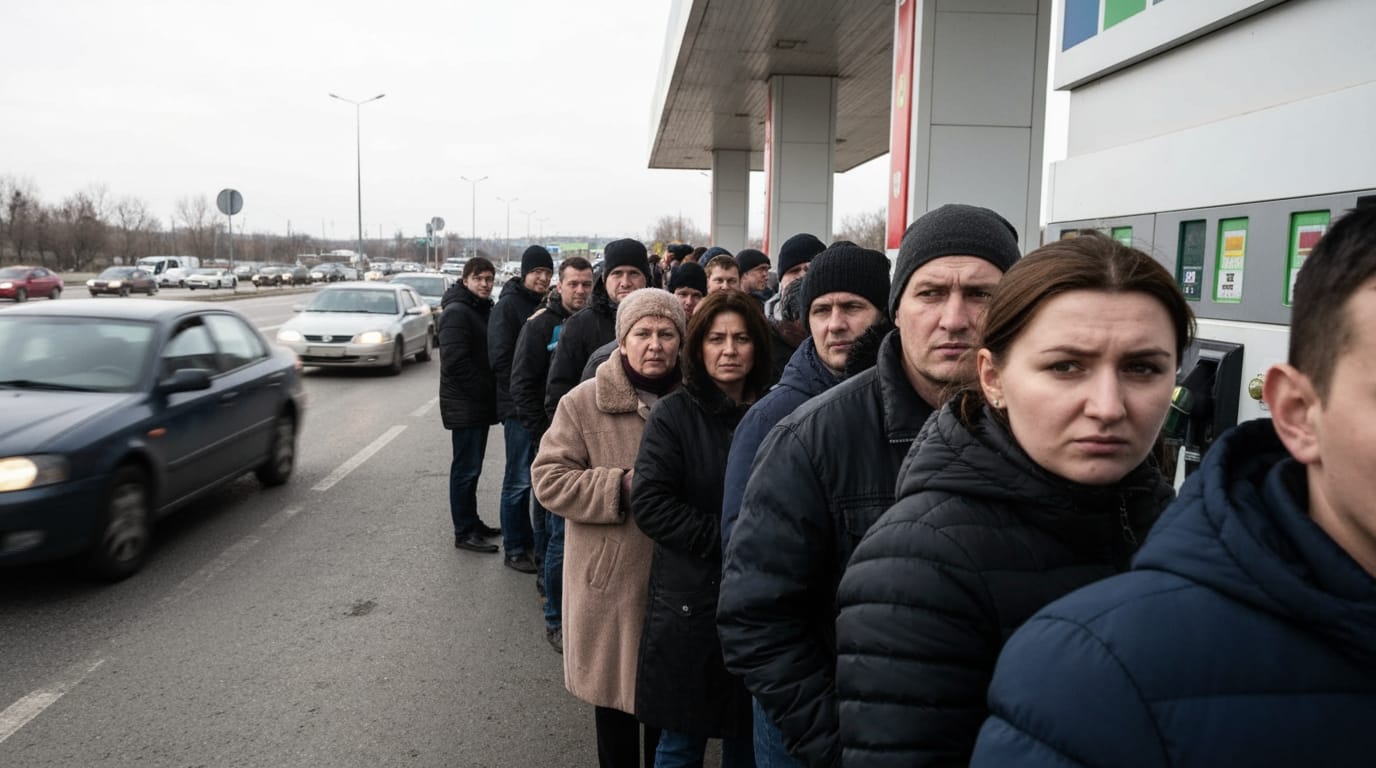
Long queues, rationing, and soaring prices at gas stations have become a stark reality across Russia, as intensified Ukrainian drone attacks on the nation's critical oil refining infrastructure precipitate a severe domestic fuel crisis. The escalating campaign, which saw a dramatic surge in mid-2026, has significantly crippled Russia's capacity to produce refined petroleum products, bringing the economic and logistical costs of the ongoing conflict closer to ordinary citizens.
Escalation of Strategic Strikes
Ukraine's systematic targeting of Russian energy facilities, initially sporadic in 2024, intensified dramatically through the second half of 2025 and escalated further in 2026. This concerted effort has resulted in over 300 strikes on Russian oil infrastructure since February 2022, with a particular acceleration in the past two years. By July 2026, Ukrainian forces had conducted at least 194 drone attacks on Russian refineries alone, marking an eleven-fold increase from the previous year.
These attacks have reached deep into Russian territory, affecting major refining complexes and depots. Key targets have included the NORSI, Omsk, Saratov, Moscow (Kapotnya), Ilsky, Taneco, Kuibyshev, Syzran, Tuapse, Ust-Luga, Primorsk, Taganrog, Azov, Tver, Ufa, and Krasnodar facilities. Notably, the Omsk refinery, Russia's largest, was struck by a Ukrainian drone in a reported 3,000-kilometer long-range operation, highlighting Ukraine's expanding reach and technical capabilities. The Moscow refinery, a crucial supplier for the capital, was hit multiple times, leading to significant damage and fears of further fuel disruptions in the city.
Devastating Impact on Fuel Production
The cumulative effect of these strikes has been a substantial reduction in Russia's refining capacity and output. By July 2026, Russian gasoline production had plummeted to approximately 65% of seasonal demand, creating a daily deficit of 40,000 to 45,000 metric tons, or about 35% of required supply. This figure marks a considerable increase from a 25% deficit reported in June. Industry analysts estimate that roughly one-third of Russia's total refining capacity is now offline.
Specific data points underscore the severity of the damage: crude processing fell by 25% year-on-year in June to 3.95 million barrels per day, the lowest level in over two decades. Gasoline production concurrently dropped by 17% to 850,000 barrels per day compared to the previous year. Reports indicate that the affected refineries collectively represent over 30% of Russia's gasoline production and approximately 25% of its diesel output. Ukraine's General Staff has claimed that 42.7% of Russian refineries are currently disabled. Finnish President Alexander Stubb stated in early July 2026 that Ukraine's mid- and long-range drone strikes had reduced Russia's capacity to produce and export oil by 40%.
Russia's Response and Civilian Hardship
The growing fuel shortages have forced Russian authorities to acknowledge the crisis, despite earlier attempts to downplay its extent. Deputy Prime Minister Alexander Novak openly attributed the problems to Ukrainian drone strikes, noting that many oil refineries were undergoing repairs after attacks. President Vladimir Putin also conceded "problems persist for both motorists and businesses," acknowledging queues at petrol stations, though he insisted the shortages were "not critical" and "temporary."
In an attempt to stabilize the domestic market, Moscow implemented temporary bans on gasoline and diesel exports, initially in April and then again in July. The government also signed a decree permitting some refineries to lower fuel quality standards from Euro-5 to Euro-3 gasoline until the end of the year. Additionally, Russia has begun importing gasoline from countries including Belarus, India, and Kazakhstan, a move reminiscent of past fuel crises.
The direct consequences for Russian citizens are substantial. By July 2026, an estimated 50 million people, representing about 35% of the Russian population, were affected by fuel restrictions. Several regions have implemented fuel rationing schemes, including odd-even systems based on license plate numbers, to manage dwindling supplies. Social media has been replete with images and videos depicting lengthy queues, empty pumps, and rising prices, reflecting widespread public frustration. Russian-controlled Crimea declared a state of emergency in June and halted fuel sales to individuals, impacting the local tourism industry. In some Siberian regions, public transport fares have increased due to higher fuel costs.
Strategic Rationale and Broader Implications
Ukraine's motivation behind these attacks is clear: to diminish Russia's ability to sustain its war machine, degrade its economic strength, and disrupt military logistics. Ukrainian President Volodymyr Zelenskyy has described these actions as "long-range sanctions," aiming to bring the "feeling of war" to Russia itself. Zelenskyy recently established a new "long-range impact" command within the armed forces, specifically tasked with intensifying strikes on targets inside Russia to reduce Moscow's war-fighting capacity.
The attacks are placing significant pressure on Russia's federal budget, where oil and gas tax revenues traditionally account for about a quarter of state income. While the immediate focus is on domestic supply, sustained disruptions could also impact Russia's export capabilities, potentially leading to volatility in global oil markets. The human element, with mounting public discontent and war fatigue, presents a different kind of challenge for the Kremlin, which has long sought to insulate its population from the direct impacts of the conflict. The ongoing fuel crisis marks a critical juncture, demonstrating Ukraine's expanding capacity to project force and impose tangible costs on its adversary's economy and daily life.


