Russia Labels Deutsche Welle 'Undesirable,' Drawing Sharp Condemnation from Germany Over Media Freedom
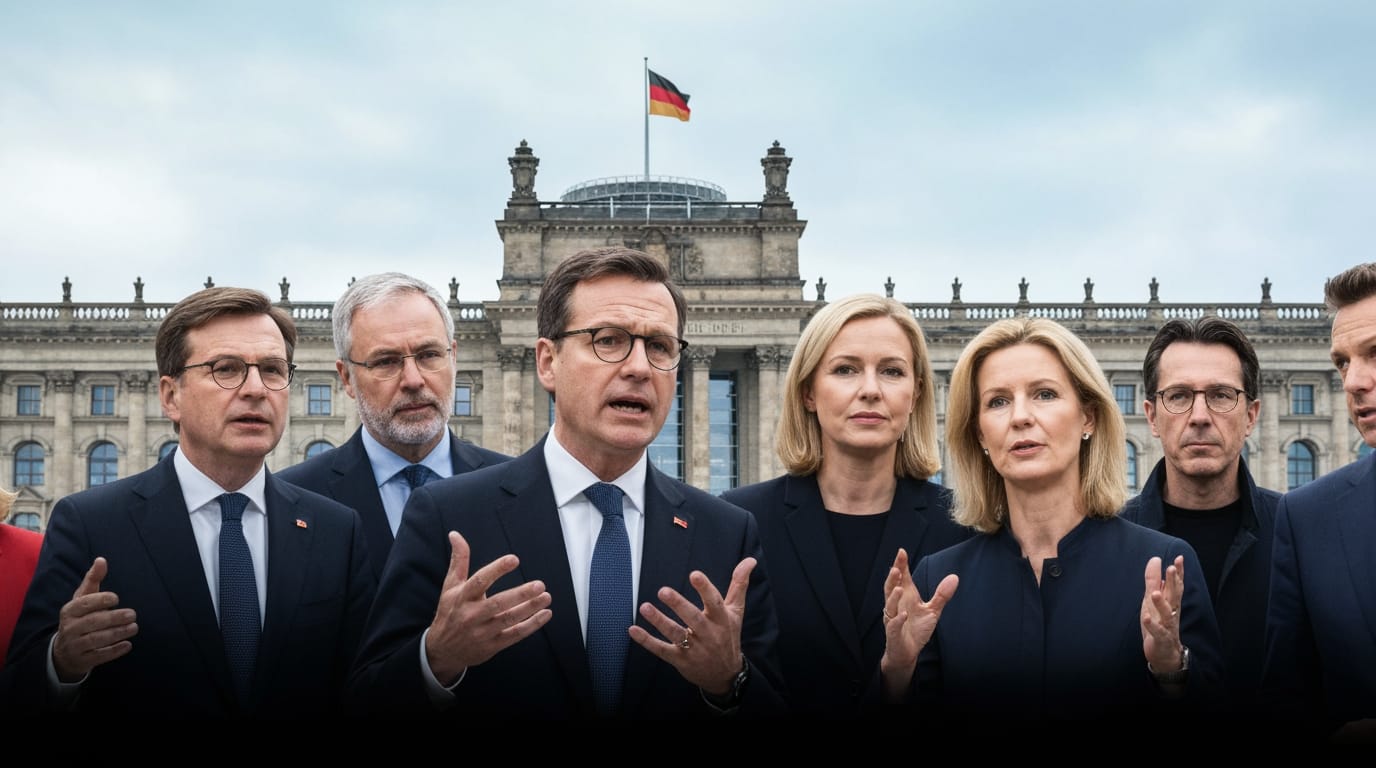
BERLIN/MOSCOW – Russia has significantly escalated its crackdown on foreign media, formally designating German public broadcaster Deutsche Welle (DW) as an "undesirable organization." The move, announced recently by Russian lawmaker Vasily Piskaryov and added to the Justice Ministry's official list, has been met with immediate and strong condemnation from Berlin, which views the decision as a blatant attempt to silence independent journalism and further restrict the flow of information within Russia. German politicians and officials have decried the action as an affront to press freedom, underscoring deepening tensions in German-Russian relations.
The formal classification of Deutsche Welle as an "undesirable organization" under Russian law carries severe legal ramifications, effectively outlawing the broadcaster's operations within the country. This designation, based on a 2015 law, targets entities deemed to threaten Russia's constitutional order or national security, with Russian authorities accusing DW of undermining national security through "hostile anti-Russian propaganda" and even training "disinformation specialists." Under this legislation, any cooperation with DW, including the sharing of its content on social media, is now considered illegal. Individuals found to be involved with "undesirable organizations" face substantial fines, and in severe cases, can be imprisoned for up to six years for organizing activities or five years for funding them. The ban extends its reach even to Russian citizens living outside Russia, directly impacting DW's Russian employees and creating an environment of significant legal peril for anyone interacting with the broadcaster.
This latest punitive measure represents a significant escalation in Russia's actions against Deutsche Welle. DW had already been classified as a "foreign agent" in Russia in March 2022, a designation that typically implies foreign funding and subjects organizations to increased scrutiny and labeling requirements. Prior to that, DW faced a broadcast ban, its Moscow studio was forced to relocate, and its website was blocked across all languages within Russia. The current "undesirable" label elevates the legal risks dramatically, essentially making any association with the organization a criminal offense.
The German government has responded unequivocally to Moscow's decision, characterizing it as an assault on fundamental journalistic principles. A German government spokesman, Stefan Kornelius, stated that the move indicates Russian authorities' apprehension towards independent information, particularly concerning the ongoing war in Ukraine. Germany's foreign office echoed this sentiment, criticizing the decision and asserting that press freedom is no longer guaranteed in Russia. The German embassy in Moscow has confirmed it is maintaining close contact with DW journalists and media professionals, offering support amidst the challenging circumstances. In earlier instances of Russian restrictions against DW, such as the initial broadcast ban in 2022, Germany's Federal Commissioner for Culture and Media, Claudia Roth, condemned Moscow's actions as "wholly unacceptable" and a "hostile decision" lacking any legitimate basis. German officials consistently highlight DW's editorial independence, funded by taxpayer money but operating autonomously, a stark contrast to state-controlled media outlets.
The broader context of this move is rooted in a history of reciprocal media restrictions between Russia and Germany. The initial broadcast ban and "foreign agent" designation against DW in 2022 were directly linked to Germany's decision to prohibit the German-language service of the Kremlin-funded broadcaster RT DE. German regulators had banned RT DE due to its failure to secure a valid broadcasting license for operation in Germany. While Russia has often framed its actions as tit-for-tat measures, Germany consistently emphasizes the fundamental difference between its regulatory decisions, which are based on licensing laws and concerns about propaganda, and Russia's politically motivated suppression of genuinely independent media.
Despite the intensifying pressure, Deutsche Welle has affirmed its commitment to continuing its mission of providing independent news and information. DW Director General Barbara Massing condemned the latest designation as a "blatant disregard for press freedom" and a testament to the Russian regime's "fear of independent information." Massing has publicly stated that DW will not be deterred by Russia's actions, noting that despite prior censorship and blocking efforts, DW's Russian-language services are reaching more people than ever before. The broadcaster is actively employing digital platforms and tools such as the Tor browser, VPN access, and its dedicated DW Access app to help users in Russia circumvent state censorship and access unbiased news. The inclusion of DW on Russia's "undesirable organizations" list places it alongside more than 275 other entities, including prominent independent news outlets like Radio Free Europe/Radio Liberty, critical think tanks such as Chatham House, and even environmental organizations like WWF. This expanding list signifies a widening campaign by the Russian state to stifle dissent and control the information landscape, reflecting a severely deteriorating environment for media freedom and civil society within the country.
The latest designation of Deutsche Welle as an "undesirable organization" by Russia marks a critical juncture in the ongoing information confrontation and further strains an already fragile relationship between Berlin and Moscow. For Germany, the protection of its state-funded but editorially independent international broadcaster is a matter of defending democratic values and press freedom. For Russia, the move is presented as a measure to counter perceived foreign interference and propaganda, but it is widely seen by the international community as a deliberate attempt to suppress critical reporting and control narratives, particularly regarding the war in Ukraine. The severe legal consequences for anyone associated with DW in Russia underscore the increasingly restrictive environment for independent voices and further cement Russia's isolation in the realm of free information.


