Russia Tightens Digital Grip: WhatsApp Blocked as Moscow Pushes State-Backed Alternative
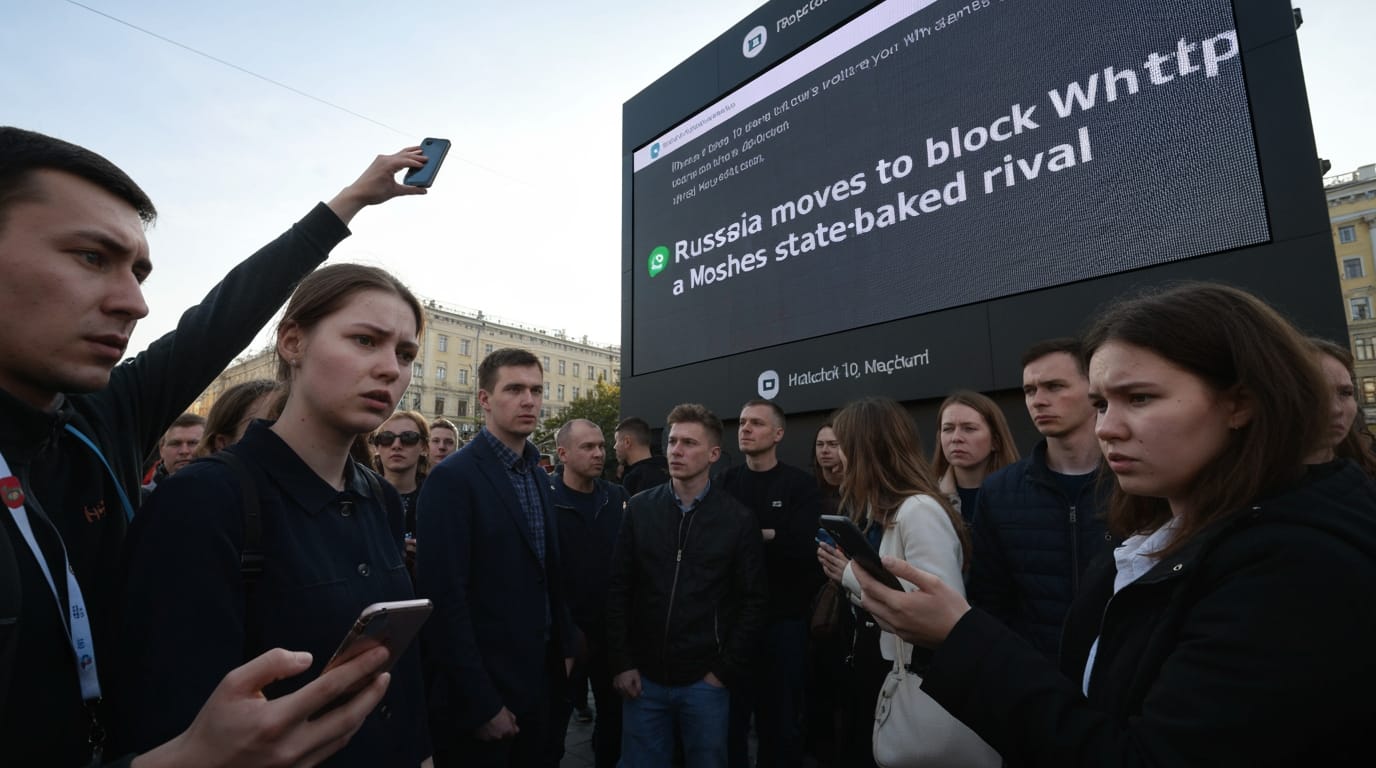
Moscow, Russia – In a significant escalation of its efforts to assert control over the digital landscape, Russia has moved to fully block Meta Platforms-owned WhatsApp, a messaging application used by millions across the country. This latest action coincides with an aggressive campaign to promote "Max," a state-backed messaging service positioned as a direct competitor and a cornerstone of the Kremlin's vision for a "sovereign internet." The sweeping restrictions on foreign communication platforms and the mandated adoption of domestic alternatives signal a deepening digital divide for Russian citizens, raising concerns about privacy, information access, and the future of online freedom within the nation's borders.
The Kremlin's Digital Clampdown on WhatsApp
The move to fully block WhatsApp, which boasted around 100 million users in Russia, marks a critical juncture in the ongoing battle between global tech giants and Moscow's internet regulators. On February 11, Russian authorities removed WhatsApp from the online directory managed by Roskomnadzor, the federal agency responsible for media censorship and internet control. While official statements from Roskomnadzor justified earlier restrictions on WhatsApp voice calls by citing concerns over fraud and the use of the platform for "sabotage and terrorist activities," WhatsApp has maintained that its end-to-end encryption, ensuring private communication, is the true reason for the Kremlin's antagonism. A spokesperson for WhatsApp underscored the company's commitment to secure communication, stating that the block was an attempt by the Russian government to compel users onto a "state-owned surveillance app."
Despite previous government pressures and the official designation of Meta as an "extremist organization" in Russia, WhatsApp had remarkably retained its position as the country's most widely used messaging service. As recently as August of the previous year, it recorded 97 million unique monthly users and 82 million daily users, even showing a slight increase in monthly users compared to the prior year. However, this popularity has begun to wane under the weight of escalating restrictions. Recent data from December 2025 indicates a significant 27% decline in WhatsApp usage among Russian Android users, accompanied by a reduction in the average total time spent on the application. These figures suggest that while user habits are deeply ingrained, the consistent pressure and access problems are beginning to yield results for Moscow's digital strategy.
The Rise of Max: A State-Backed Alternative
At the heart of Russia's strategy to replace Western platforms is "Max," a state-backed messaging application developed by VK, the company behind Russia's leading social network, VKontakte. Launched in March of the previous year, Max is not merely a messaging service but is envisioned as a comprehensive "super-app" designed to integrate a wide array of digital services, including messaging, payments, and access to government functions. The promotion of Max has been relentless and multifaceted. Russian authorities have mandated its pre-installation on all new mobile phones and tablets sold in the country since August 2025. Furthermore, the app is being actively pushed within schools and government agencies, with public sector employees reportedly being "forced to switch" to Max for work-related communications.
The state's aggressive promotion has resulted in rapid growth for Max. While it still trails established leaders like WhatsApp and Telegram in daily active users, its monthly audience reached 32.2 million in August 2025, with downloads surging to over 34 million in the first half of September. By early September, its daily active users had grown to 16.4 million. Officials and analysts project that Max's audience could grow by as much as 25% by the end of 2025, significantly outpacing the modest growth rates anticipated for its foreign competitors.
Surveillance Concerns and User Resistance
The rapid rollout and mandatory nature of Max have ignited substantial criticism and alarm, particularly concerning user privacy and potential state surveillance. Programmers on GitHub, analyzing the application, concluded that Max is "not just a messenger — it's a damn center for total data collection!" Critics, including WhatsApp itself and the founder of Telegram, have openly accused Moscow of attempting to force Russians onto a "state-owned surveillance app." These concerns are amplified by Max's terms and conditions, which reportedly stipulate that user data will be shared with authorities upon request. While state media has dismissed these accusations as false, the comparisons to China's tightly controlled WeChat ecosystem are becoming increasingly frequent.
The human element of this digital transition reveals a mixed response. While aggressive state promotion is driving downloads, many Russians remain hesitant to fully embrace Max as their primary messaging tool. Analysts note that WhatsApp's deep embedding in "family and workplace chats" makes it difficult for users to abandon voluntarily. Reports indicate instances of individuals resisting the mandatory switch, with some public sector employees reportedly quitting their jobs or facing academic threats for refusing to install the state-backed application. This illustrates the personal dilemma faced by many citizens caught between convenience, privacy concerns, and government mandates.
Broader Context: Russia's Internet Isolation
The current crackdown on WhatsApp and the aggressive push for Max are not isolated incidents but rather the latest manifestations of Russia's long-standing and increasingly sophisticated strategy to control its internet space. The Kremlin's efforts to rein in the internet date back to the early 2010s, initially targeting content deemed harmful or extremist. Over the past decade, this control has expanded significantly through a series of legislative measures and technical implementations.
Key milestones in this trajectory include the "Internet blacklist" introduced in 2012, allowing Roskomnadzor to block websites without court orders, and data localization laws requiring foreign services to store Russian user data on servers within the country. The "Sovereign Internet Act," enacted in 2019, further empowered authorities to isolate Russia's internet segment from the global network, ostensibly for security reasons, though critics view it as a tool for censorship. Following the 2022 invasion of Ukraine, the tightening of controls accelerated dramatically. Major Western social media platforms like Facebook and Instagram were fully blocked, and their parent company, Meta, was banned.
Telegram, another immensely popular messaging service in Russia, has also faced persistent pressure. While it has navigated previous attempts to block it, Roskomnadzor has recently implemented "consistent restrictions" and "slowing down" measures, citing non-compliance with Russian laws and a failure to remove content deemed extremist. Telegram's founder, Pavel Durov, has condemned these actions as an "authoritarian move" aimed at forcing users onto a surveillance-capable state app. The ongoing struggle to access and use independent communication tools highlights a broader pattern of "digital repression" where authorities employ technical and legal means to restrict online freedoms.
Conclusion: A Fracturing Digital Landscape
Russia's concerted effort to block WhatsApp and champion its state-backed Max application represents a significant stride toward greater internet sovereignty and, simultaneously, a worrying erosion of digital freedom. The government's justification centers on national security and combating illicit activities, while critics, including global tech companies and human rights organizations, warn of surveillance and censorship. As millions of Russian citizens adapt to a fracturing digital landscape, the long-term implications for private communication, information flow, and the integration of Russia into the global digital commons remain uncertain. The ongoing push for domestic alternatives and the sustained pressure on foreign platforms underscore Moscow's determination to shape an online environment fully amenable to its control, a strategy that continues to challenge the principles of an open and unfettered internet.


