Russia Unleashes Barrage on Ukrainian Cities, Escalating Conflict and Civilian Toll
Kyiv and Odesa Bear Brunt of Intensified Missile and Drone Strikes, Claiming Dozens of Lives and Injuring Many
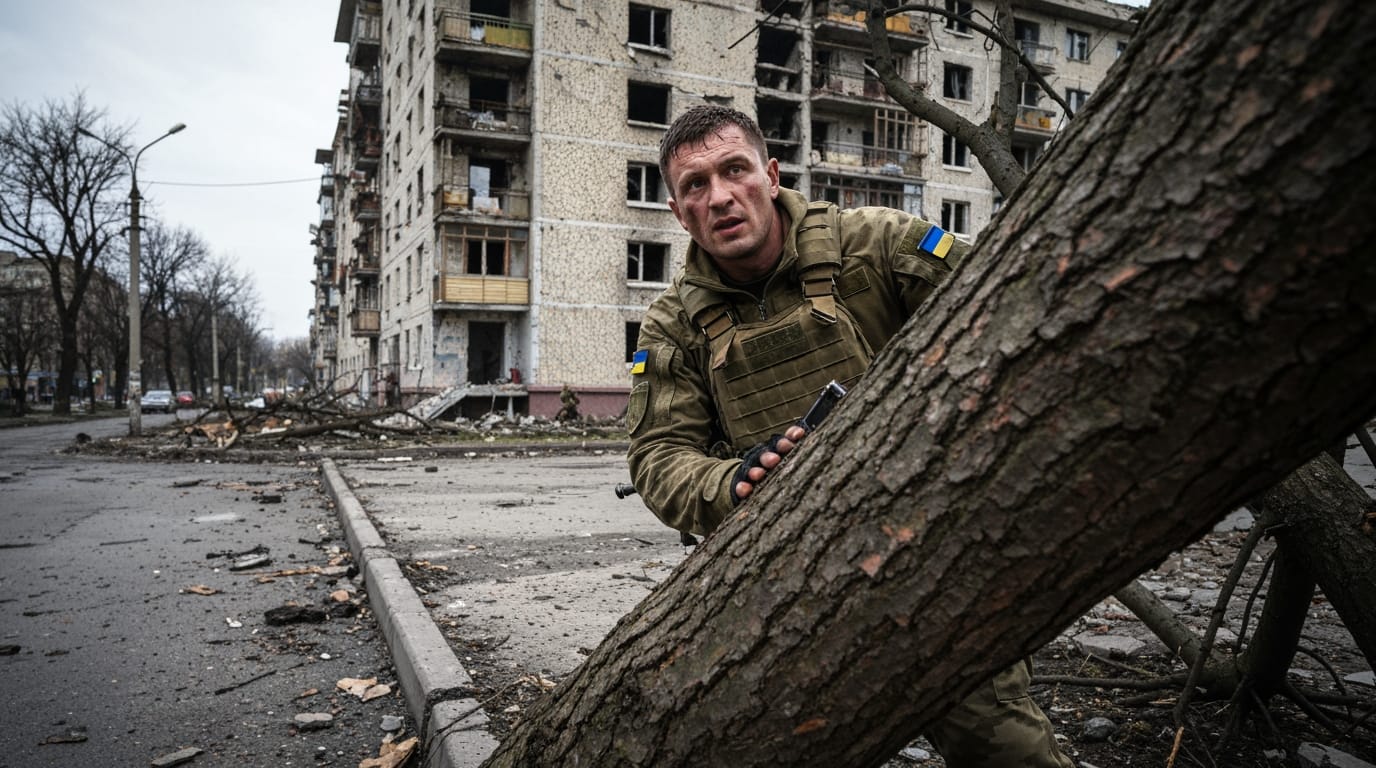
KYIV, Ukraine – Russian forces have launched a series of intense missile and drone attacks on Ukraine's capital, Kyiv, and the vital Black Sea port city of Odesa over the past week, resulting in a significant number of civilian casualties and widespread damage to residential and civilian infrastructure. The relentless bombardments underscore a troubling escalation in the ongoing conflict, highlighting Ukraine's critical need for advanced air defense systems as peace efforts remain stalled.
Unyielding Aerial Assaults: A Week of Devastation
The past week has seen Ukrainian cities, particularly Kyiv and Odesa, subjected to a brutal wave of Russian aerial assaults. On Saturday, July 11, Russian ballistic missiles struck Kyiv, injuring at least 11 people, including a child. Explosions and fires were reported across the Solomianskyi, Darnytskyi, and Dniprovskyi districts, with a three-story office and warehouse building and another warehouse engulfed in flames. Ukrainian officials stated Russia deployed 12 missiles, including six ballistic missiles, and 121 drones in the overnight attack. While Ukrainian air defenses managed to shoot down or suppress 111 drones and two missiles, none of the ballistic missiles were intercepted, underscoring their challenging nature to counter.
Earlier in the week, on the evening of July 8, Odesa was hit by ballistic missiles, killing at least four people and injuring seven others. The strike targeted civilian infrastructure, damaging a facility and a local gas station, and causing a minibus and fuel pump to ignite. This attack followed an overnight barrage on July 8, which also saw missile and drone attacks reported in Kyiv, Kharkiv, and Odesa, leading to civilian casualties.
The most severe attack occurred on Monday, July 6, when Russian missiles and drones struck Kyiv, killing at least 11 people and wounding 46 in the capital. An additional person died, and 15 were injured in the surrounding Kyiv region. Ukraine's air force reported that Russia utilized 68 missiles, including 23 ballistic and six super and hypersonic missiles, alongside 351 drones. While 37 missiles and 326 drones were neutralized or shot down, no ballistic, super, or hypersonic missiles were successfully intercepted, according to Ukrainian air force data. Russia's Defense Ministry maintained that its "group strike" successfully targeted "Ukrainian aviation, missile, armoured vehicle and ship-building facilities in Kyiv," claiming all designated objects were hit. However, Ukrainian reports consistently detailed impacts on residential areas and civilian infrastructure. These assaults on July 6 came just days after a particularly deadly strike on Kyiv on July 2, which claimed at least 31 lives and injured over 100, including children, following the launch of over 70 missiles and nearly 500 drones.
A Cycle of Escalation and Retaliation
These intensified attacks on Ukrainian cities appear to be part of a broader, escalating cycle of conflict, occurring as Ukraine simultaneously ramps up its own drone strikes deep within Russian territory. Ukrainian forces have targeted Russian oil facilities, infrastructure, and even naval vessels in the Sea of Azov, disrupting fuel supplies and impacting military logistics. For instance, Ukrainian drones reportedly damaged 21 tankers used for oil transport and other vessels in the Sea of Azov, while Russia reported one sailor killed in a drone attack on a methanol tanker in Taganrog Bay. Ukrainian President Volodymyr Zelenskyy has described these strikes as "long-range sanctions" in response to Moscow's refusal to halt the fighting.
Russia, in turn, has consistently responded to these incursions with intensified bombardments on Ukrainian cities, often targeting critical infrastructure and civilian areas. This pattern suggests a tit-for-tat escalation, with each side aiming to inflict economic and military pressure on the other, though the humanitarian cost borne by Ukrainian civilians remains overwhelmingly high.
The Human Cost and Air Defense Imperative
The recent onslaught has inflicted a severe human toll, compounding the already dire humanitarian situation in Ukraine. The Office of the High Commissioner for Human Rights (OHCHR) reported a concerning increase in civilian casualties, with preliminary figures for June indicating a higher toll than in May. Since Russia's full-scale invasion in February 2022, OHCHR has verified at least 16,402 civilians killed and 48,428 injured, emphasizing that actual figures are likely significantly higher. Damage to residential buildings, hospitals, and critical infrastructure has been repeatedly documented across targeted cities.
A significant challenge for Ukraine remains its vulnerability to ballistic and hypersonic missile strikes. These advanced weapons are incredibly difficult to intercept due to their speed and trajectory. While US-made Patriot interceptors have proven effective against such threats, Ukraine faces an urgent shortage of these systems. The prospect of increased domestic production for these crucial defense assets, potentially through licensing agreements with allies, has emerged as a key discussion point amidst the ongoing attacks.
A Protracted Conflict with No Immediate Resolution
The recent surge in attacks on Kyiv and Odesa highlights the entrenched and increasingly brutal nature of the conflict. Despite ongoing diplomatic efforts, including recent talks in Turkey that failed to yield a breakthrough beyond a prisoner exchange, the prospects for a lasting peace remain distant. Russia has consistently rejected calls for an unconditional ceasefire, and Ukraine remains steadfast in its defense.
As the conflict enters its fifth year, the international community continues to grapple with the implications of Russia's actions and the sustained humanitarian crisis. The recent attacks serve as a stark reminder of the daily dangers faced by millions of Ukrainians and the urgent need for robust defensive capabilities to protect civilian lives and infrastructure from relentless aerial assaults. The resolve of the Ukrainian people, demonstrated by their continued resilience amidst constant bombardment, underscores the enduring struggle for sovereignty and peace in the region.