Russia Unleashes Widespread Strikes Across Ukraine, Claiming Civilian Lives and Crippling Infrastructure Amidst Deep Freeze
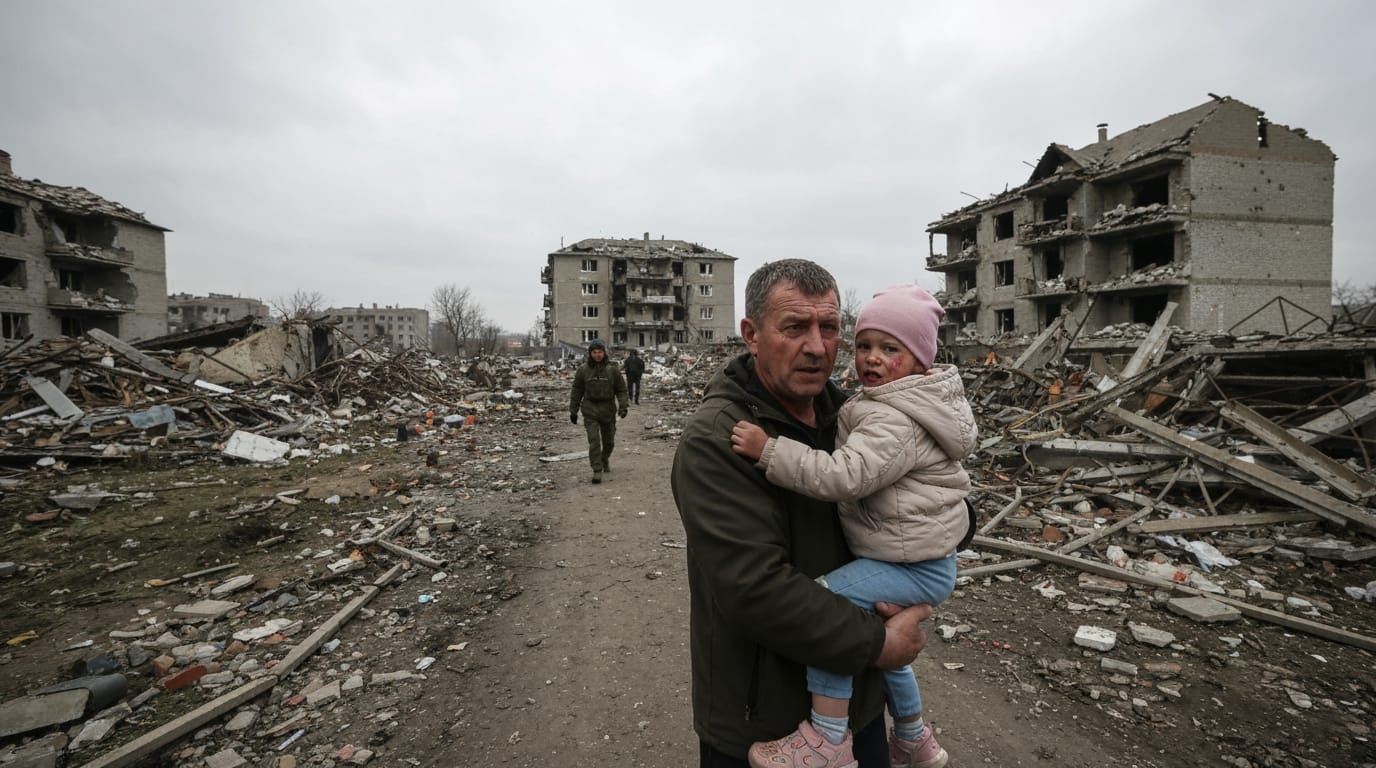
Kyiv, Ukraine – A relentless wave of Russian attacks swept across at least eight Ukrainian regions over the past day, killing at least five civilians and injuring dozens more, as Moscow continued its strategic targeting of energy infrastructure amidst dangerously cold winter conditions. The coordinated assaults, involving a significant number of drones and missiles, plunged parts of the nation into further disarray, exacerbating an already dire humanitarian situation as temperatures plummet to extreme lows.
Escalating Barrage Hits Key Regions
The latest barrage, reported early on January 18, saw Russian forces striking critical civilian and energy facilities from north to south, leaving a trail of destruction and suffering. In the eastern Kharkiv Oblast, three individuals were confirmed dead and 11 injured, with energy facilities in the city of Kharkiv sustaining damage as nighttime temperatures dropped to a frigid -16 degrees Celsius (4 degrees Fahrenheit). This assault highlights a continuing pattern of targeting key infrastructure in one of Ukraine's largest cities, already reeling from previous attacks.
Further south, in Kherson Oblast, two civilians lost their lives, and another was injured. Fires ignited by the strikes engulfed four homes, an administrative building, and a vehicle, underscoring the immediate and devastating impact on residential areas. The northeastern Sumy Oblast endured over 100 separate attacks, resulting in five injuries, including a seven-year-old child, signaling the indiscriminate nature of the offensive. In Chernihiv Oblast, a "double-tap" strike inflicted injuries upon four individuals, with a subsequent attack injuring three police officers who had responded to the initial incident. Dnipropetrovsk Oblast reported six injuries and damage to residential properties and a fire and rescue unit building, while Donetsk and Zaporizhzhia Oblasts also confirmed civilian casualties and damage. Separately, an energy facility in the southern Odesa Oblast was targeted.
Ukrainian Air Force officials stated that their air defense systems managed to intercept 167 out of 201 drones launched by Russian forces overnight. Despite these efforts, thirty drones successfully struck 15 locations across the country, with falling debris impacting two additional sites, demonstrating the persistent challenge posed by Russia's drone warfare capabilities.
Winter's Cruel Grip: Energy Infrastructure Under Siege
The timing of these widespread strikes coincides with a period of severe cold gripping Ukraine, intensifying Moscow's apparent strategy to cripple the nation's energy grid and create a humanitarian crisis. Ukraine is currently facing ongoing disruptions to its heat and electricity supplies, prompting a state of emergency earlier in the week. The systematic targeting of energy infrastructure has been a hallmark of Russian aggression since the full-scale invasion began in 2022, with such actions widely condemned as war crimes. This pattern has led to significant portions of Ukraine's pre-war electricity generating capacity being destroyed, severely impacting millions of citizens.
The United Nations has voiced deep concern over the intensified attacks, noting that they have "crippled energy systems and left millions without heating, electricity or water amid freezing temperatures." UN Under-Secretary-General for Political Affairs Rosemary DiCarlo highlighted that the impact is particularly acute for vulnerable populations, including older people, children, and those with limited mobility. Ukrainian President Volodymyr Zelenskyy has underscored the severity of the situation, stating that repair crews are working tirelessly to restore power, but warned that the situation remains "difficult." He also issued a stark warning that Russia is preparing for further strikes on Ukraine's energy sector and critical infrastructure, including facilities linked to nuclear power plants.
A Pattern of Intensified Attacks and Mounting Casualties
The current wave of assaults is part of a broader pattern of escalating Russian military activity throughout early January 2026. Just days prior, on January 16, two women were killed and six others injured in artillery shelling in Nikopol, Dnipropetrovsk Region. An earlier ballistic missile strike in Dnipro city, mentioned in the same context, reportedly claimed at least four lives and injured dozens.
Overnight into January 10, Russian strikes across Ukraine killed at least two people and injured 15 others, impacting regions including Donetsk, Dnipro, and Zaporizhzhia, and leaving approximately 100,000 families without power due to damaged energy infrastructure. Prior to that, between January 8 and 9, a major overnight barrage reportedly saw Russia launch 242 drones and 36 missiles, with Kyiv experiencing casualties and nearly half the city losing heating. The Lviv region also saw energy and residential facilities damaged, reportedly by an intermediate-range ballistic missile, the "Oreshnik."
The human cost of the conflict has been staggering. Civilian casualties in 2025 significantly increased compared to previous years, with 2,512 civilians killed and 12,142 injured in conflict-related violence, 97 percent of which were attributed to Russian strikes against Ukrainian-controlled areas. This grim statistic, reported by the UN Human Rights Monitoring Mission in Ukraine, illustrates the relentless pressure on the civilian population.
Unyielding Resolve Amidst Sustained Pressure
Despite the sustained and intensified Russian aggression, Ukraine continues to demonstrate resilience and a determined defense. The successful interception of a majority of the incoming drones on January 18 underscores the ongoing efforts of Ukrainian air defense forces, often supported by Western military aid. However, the deliberate targeting of civilian infrastructure during winter presents an immense challenge, forcing Ukraine to seek additional international assistance for energy generating equipment.
President Zelenskyy's warnings about impending attacks on nuclear power systems highlight the extreme lengths to which Russian forces may go to destabilize Ukraine. As the conflict grinds on, the international community watches closely, with the humanitarian consequences of these winter campaigns growing more severe with each passing day. The focus remains on both immediate aid for affected populations and long-term solutions to protect Ukraine's vital infrastructure and its people from the continuing onslaught.


