Russian and Belarusian Flags to Return at 2026 Winter Paralympics Amidst Divisive IPC Vote
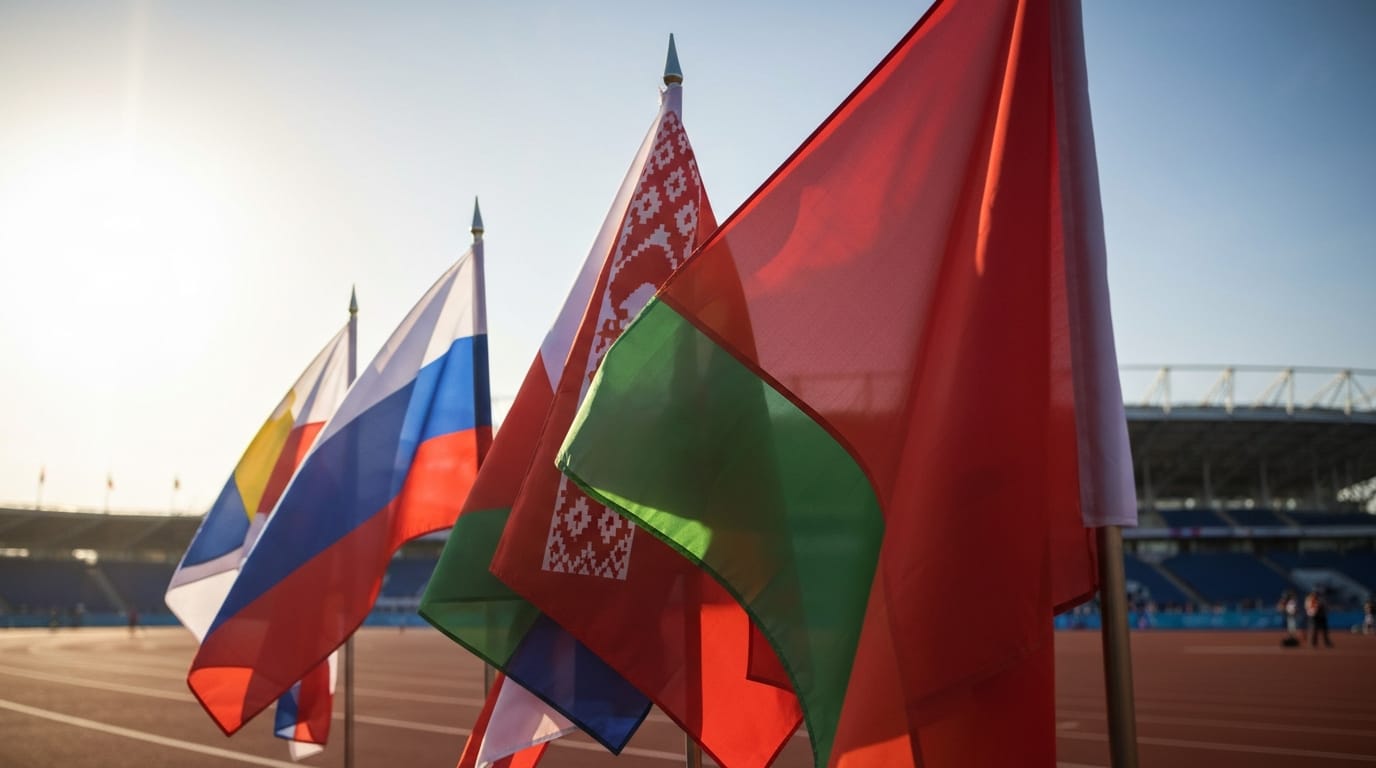
The International Paralympic Committee (IPC) has made a landmark decision, voting to allow athletes from Russia and Belarus to compete under their national flags and symbols at the 2026 Winter Paralympics in Milan-Cortina, Italy. This pivotal move, approved by a significant majority at the IPC General Assembly, marks a substantial shift from the previous stance of prohibiting national representation and ignites a complex debate about the intersection of sport, politics, and individual athlete rights. The decision paves the way for a full reintegration of these national teams into the Paralympic Movement, challenging the boycotts and sanctions that have characterized international sports since the 2022 conflict in Ukraine.
A Gradual Reintegration Culminates in Full National Status
The decision on the return of national symbols represents the culmination of a phased reintegration process for Russian and Belarusian para-athletes. Following the full suspension of their National Paralympic Committees (NPCs) in March 2022, the IPC initially adopted a stringent ban that precluded any participation. However, in September 2023, the IPC General Assembly voted to conditionally lift the suspension, allowing athletes from both nations to compete as "Neutral Individual Athletes" (NIAs) without national symbols, flags, or anthems for qualifying events and the Paris 2024 Paralympic Games, provided they met strict neutrality criteria and did not actively support the conflict.
The most recent vote, held during a General Assembly session, specifically addressed the question of full national representation. After robust debate, member NPCs cast their votes, with a two-thirds majority required to alter the existing policy. The approval signifies a strategic shift by the IPC, moving beyond the concept of "neutral individual" participation to full team representation for the 2026 Winter Games. This re-establishes the right of these national teams to participate with all the customary trappings of national identity, including flags, anthems, and official team uniforms, signaling a significant step towards normalization within the Paralympic framework.
Conditions for Participation and the IPC's Rationale
The IPC's decision for 2026 does not, however, imply an unconditional return. Stringent conditions remain in place for individual athletes to be eligible to compete. These include strict adherence to neutrality requirements, meaning athletes must not have actively supported the ongoing conflict. Furthermore, all participating athletes will be subject to rigorous anti-doping protocols and must comply with the IPC Code of Conduct. The IPC has stressed that its focus is on individual athletes, distinguishing between the actions of governments and the rights of individual competitors to pursue their athletic careers.
The rationale underpinning the IPC's decision is multifaceted, rooted in the core principles of the Paralympic Charter. The committee has consistently emphasized its commitment to universality, inclusivity, and the belief that sport should transcend political boundaries. Proponents of the decision argue that excluding athletes based solely on their nationality, rather than their individual actions, contradicts the fundamental tenets of non-discrimination central to the Paralympic Movement. The IPC leadership has indicated a desire to find a balanced approach that respects geopolitical realities while upholding the right of athletes, particularly those who have not supported the conflict, to participate in high-level competition. This approach seeks to prevent collective punishment and maintain the unity of the global Paralympic family.
Divergent Perspectives and Global Reactions
The IPC's decision has triggered strong and diverse reactions across the international sporting and political landscape. Several National Paralympic Committees, particularly from countries neighboring the conflict zone, expressed profound disappointment and opposition. These nations have consistently argued that allowing Russian and Belarusian athletes to compete with national symbols, even under conditions, would be perceived as a normalization of the conflict and would undermine the moral standing of the Paralympic Movement. Concerns have been raised about the optics of such participation while the humanitarian crisis continues, potentially overshadowing the sporting event itself. These critics view the return of flags as a premature and insensitive step, failing to adequately address the ongoing geopolitical tensions.
Conversely, some NPCs and sporting organizations have supported the IPC's move, aligning with the principle of separating sport from politics. They advocate for the right of individual athletes to compete, particularly those who have not been implicated in any wrongdoing. This perspective emphasizes that global sporting bodies should provide pathways for fair competition for all, regardless of their government's actions. The IPC itself has maintained that its mandate is to serve athletes and promote the Paralympic values globally, not to act as a political arbiter. The decision attempts to navigate the difficult terrain between upholding ethical responsibilities and maintaining the universality of the Paralympic Games.
Implications for Milan-Cortina 2026 and Beyond
The reintegration of Russian and Belarusian national teams, complete with their national flags, presents significant implications for the 2026 Winter Paralympics in Milan-Cortina. Organizers will need to prepare for a complex environment that could see heightened scrutiny, potential protests, or even boycotts from some participating nations. The decision places a spotlight on the delicate balance required to host a global event in an politically charged atmosphere. Managing stakeholder expectations, ensuring athlete safety, and maintaining the spirit of fair play will be paramount.
Beyond Milan-Cortina, this decision could influence how other international sports federations and the broader Olympic Movement approach the participation of Russian and Belarusian athletes in future events. While the IPC operates independently, its actions often set precedents or contribute to the wider discourse on athlete neutrality and national representation. The move underscores the ongoing challenge for global sports bodies to reconcile their universal ideals with the harsh realities of international relations. The IPC's determination to reintegrate these athletes fully signals a long-term vision for the Paralympic Movement that prioritizes inclusivity and individual athletic opportunity, even amidst significant global tensions.
The IPC's vote to restore national flags and symbols for Russian and Belarusian athletes at the 2026 Winter Paralympics is a momentous decision, ending a period of significant isolation for these nations in the Paralympic arena. It reflects a complex balancing act, weighing the principles of individual athlete rights and the universality of sport against strong ethical and political concerns. As the Paralympic Movement looks ahead to Milan-Cortina 2026, the implementation of this policy will undoubtedly be met with intense scrutiny, shaping the narrative of unity, resilience, and the enduring power of sport in an ever-interconnected yet fractured world. The path forward remains intricate, but the IPC has firmly charted a course toward a more inclusive, albeit controversial, future for its Games.


