Russian Attack Plunges Kyiv into Darkness and Cold as Energy Crisis Deepens
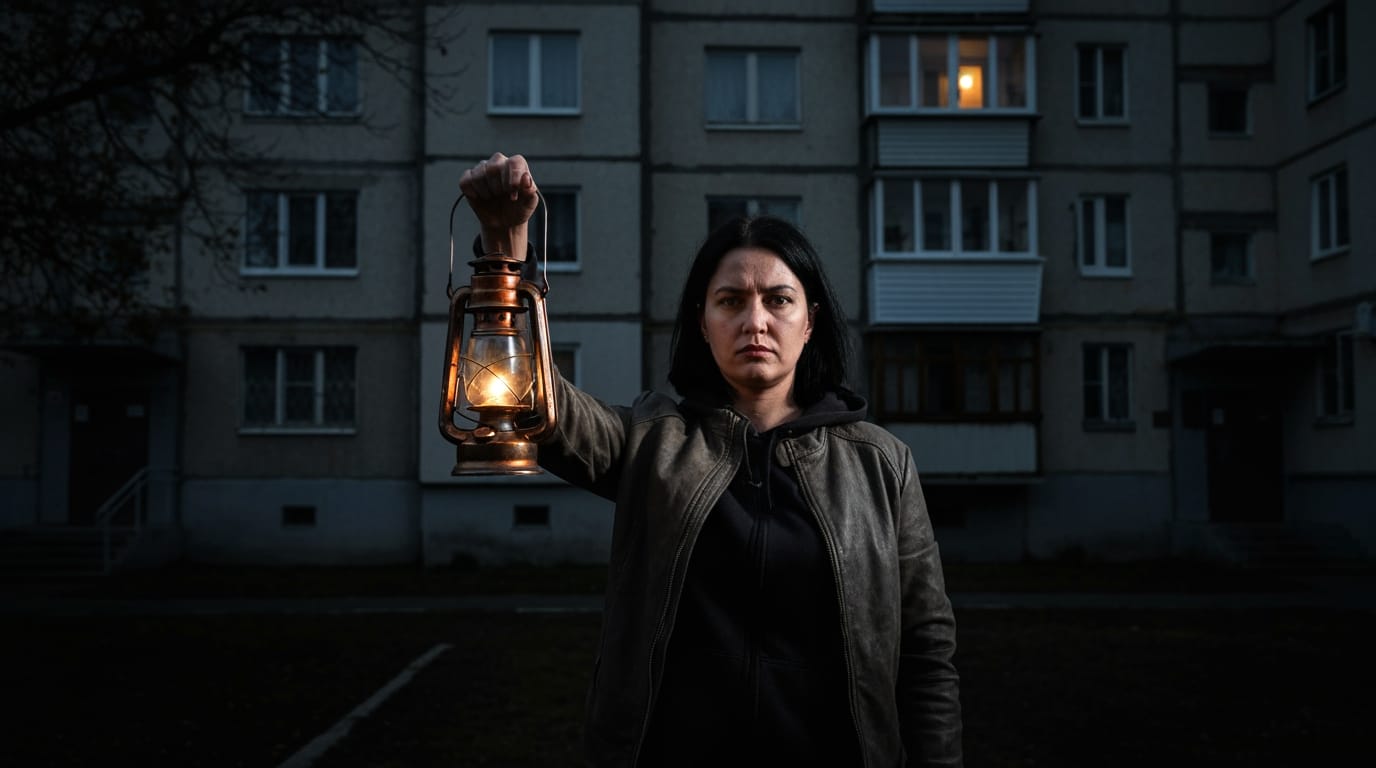
Kyiv, Ukraine – A relentless overnight assault by Russian forces utilizing a combination of missiles and drones has once again crippled the Ukrainian capital's energy infrastructure, plunging large swathes of Kyiv into darkness and exacerbating a dire humanitarian situation amid freezing winter temperatures. The calculated strikes, which unfolded in multiple waves early Tuesday, January 20, 2026, severed power to an estimated 70% of the city and disrupted water supplies to the densely populated left bank, further intensifying an energy crisis that has gripped Ukraine for weeks.
The latest offensive marks a significant escalation in Russia's sustained campaign to degrade Ukraine's critical infrastructure, leaving thousands of residential buildings without heat and challenging the resilience of a nation battling to maintain essential services under constant bombardment. As emergency crews work feverishly to restore power and heat, the attack serves as a stark reminder of the brutal realities faced by Ukrainian civilians enduring their third wartime winter.
Waves of Destruction Target Vital Infrastructure
The assault on Kyiv began in the early hours of January 20, with explosions reported around 2 a.m. local time as Russian ballistic missiles targeted the capital. The Ukrainian Air Force issued multiple warnings, indicating the presence of both ballistic missiles and later, MiG-31 bombers carrying Kinzhal hypersonic missiles. A second wave of Russian drones was observed approaching the city around 5 a.m., followed by additional missile reports at approximately 6:30 a.m., underscoring the coordinated and multi-pronged nature of the attack.
These precision strikes directly targeted power plants within Kyiv, causing widespread outages. Ukrenergo CEO Vitaliy Zaichenko confirmed that initially, about 70% of the city was without electricity. While some repairs were quickly initiated, reducing the affected areas, approximately 60% of Kyiv remained without power as utility workers scrambled to restore services. Mayor Vitali Klitschko reported that the attack also cut off water to the left bank of the capital, a critical blow to the estimated 1.1 million residents in those districts, which have frequently borne the brunt of recent Russian assaults.
Beyond the immediate loss of electricity and water, the impact on heating systems was severe. Klitschko stated that 5,635 multi-story buildings were left without heat. Critically, nearly 80% of these buildings had only just seen their heat supply restored following a previous major Russian strike on critical infrastructure on January 9. This pattern highlights Russia's apparent strategy of repeatedly targeting repaired infrastructure, aiming to overwhelm Ukrainian recovery efforts and deepen humanitarian suffering during peak winter demand.
Broader Impact Across Ukraine
While Kyiv experienced the most immediate and severe consequences of the overnight attack, the assault on Ukraine's energy grid extended far beyond the capital. On January 19, Russian forces launched a barrage of drone strikes that resulted in power outages across five other regions: Sumy, Odesa, Dnipropetrovsk, Kharkiv, and Chernihiv.
In the southern Odesa region, energy and gas infrastructure sustained damage, leaving one person injured and disrupting power for 30,800 households. Meanwhile, in the northern Chernihiv region, five vital energy facilities were damaged, affecting tens of thousands of consumers. Kharkiv, Ukraine's second-largest city, also faced missile strikes that significantly damaged a critical infrastructure facility. These simultaneous attacks across multiple oblasts underscore a concerted effort by Russia to systematically dismantle Ukraine's energy capacity and create widespread disruption.
The Energy Ministry acknowledged that Ukraine's energy situation remains "difficult," with ongoing strikes during subzero temperatures necessitating continued restrictions nationwide. Deputy Energy Minister Artem Nekrasov noted that 60 teams, including 12 deployed from other regions, are actively working to restore power in Kyiv, as the city attempts to revert to scheduled blackout timetables rather than emergency outages.
A Winter of Weaponized Cold
The timing of these attacks is particularly devastating, coinciding with a period of severe cold across Ukraine. Temperatures have plummeted to as low as -15 degrees Celsius (5 degrees Fahrenheit) in mid-January, turning power and heating outages into immediate life-threatening situations for vulnerable populations. Ukrainian officials and international observers have frequently described Russia's targeting of energy infrastructure during winter as "weaponizing winter," aiming to break civilian morale and overwhelm the country's humanitarian and recovery resources.
The consistent attacks have taken a cumulative toll on Ukraine's energy system. President Volodymyr Zelenskyy declared a state of emergency in the energy sector on January 14, following a prior wave of intensified attacks and mounting strain on the power grid. This declaration highlighted the critical state of the country's energy infrastructure and the need for urgent, coordinated responses to maintain essential services. Ukrainian military intelligence (HUR) further warned on January 17 that Moscow is reportedly planning to strike substations connected to Ukraine's three active nuclear power stations in western and southern Ukraine, a move that would aim to completely disconnect Ukrainians from heat and power.
The human cost of these attacks is immeasurable, extending beyond the injured and those in direct danger from the cold. One person was reported injured in Kyiv's Dniprovskyi district during the latest overnight assault, with non-residential buildings sustaining damage and vehicles catching fire. The persistent fear, displacement, and the struggle for basic necessities like warmth and light define daily life for millions across Ukraine.
Resilience Amidst Adversity
Despite the ongoing challenges, Ukrainian authorities and citizens continue to demonstrate remarkable resilience. Utility workers, often laboring in perilous conditions and freezing temperatures, are tirelessly engaged in repair efforts, often restoring power for limited durations. However, as DTEK power company representative Yurii Bryzh explained, when power briefly returns, the simultaneous activation of numerous household appliances for washing, cooking, or recharging can quickly overload the fragile system, causing renewed collapses.
The international community has repeatedly condemned Russia's targeting of civilian infrastructure, particularly during winter. However, the attacks persist, deepening Ukraine's energy crisis and reinforcing the urgent need for robust air defense systems and continued humanitarian assistance. As the coldest months of winter continue, the ability of Ukraine to protect its energy grid and provide basic services to its population remains a critical front in the ongoing conflict. The determination to endure, despite the calculated hardship, continues to define the Ukrainian response to these sustained assaults.


