Russian Economy Increasingly Reliant on China, India, and Turkey Amid Sanctions
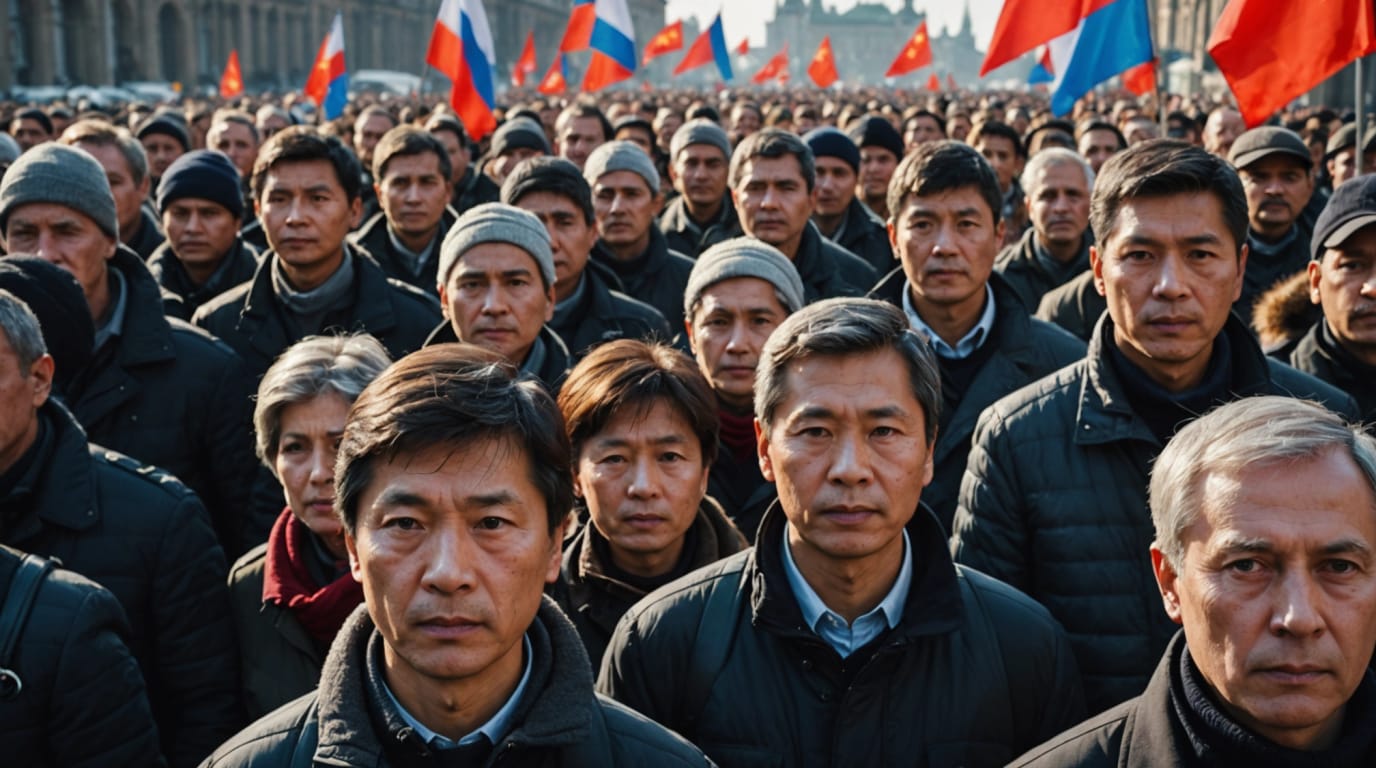
Moscow - Crippled by Western sanctions following its invasion of Ukraine, the Russian economy has become increasingly dependent on China, India, and Turkey for economic survival. These nations have emerged as critical trade partners, providing Russia with vital economic lifelines as traditional markets in Europe and the United States have become largely inaccessible. This shift has reshaped Russia's economic landscape, raising concerns about its long-term economic sovereignty and potential subordination to these key partners.
Sanctions Bite, Trade Shifts Eastward
The unprecedented sanctions imposed by the United States, the European Union, and other allied nations have significantly impaired Russia's economic capabilities. Over 16,000 restrictions have been placed on Russian individuals and entities, crippling its financial sector and limiting its access to crucial technologies and components. These measures have led to a contraction of the Russian economy, surging inflation, and reduced access to essential industrial inputs. While the Russian economy initially showed resilience by transitioning to a war economy, experts predict sluggish growth of only about 1% per year going forward.
In response to these restrictions, Russia has pivoted towards China, India, and Turkey, seeking economic and diplomatic support. These countries have filled the void left by Western nations, becoming major importers of Russian energy and other commodities. Deputy Minister of Economic Development Vladimir Illichyov stated that China, India, Turkey, Belarus, and Kazakhstan remained Russia's top five trading partners in 2024. "Friendly countries" accounted for approximately 83% of Russia's trade turnover in the first 10 months of 2024, a notable increase from 77% in 2023.
China: The Dominant Partner
China has emerged as Russia's most crucial economic partner, with trade between the two nations reaching record levels. In the third year of the Ukraine invasion, China was responsible for €78 billion of Russia's total revenues from fossil fuels. This dependence has allowed China to expand its investments and economic influence within Russia, with Chinese companies increasing their market share.
However, this relationship is not without its challenges. Some analysts suggest that Russia is becoming a subordinate economic partner to China, with China benefiting from favorable trade terms and increased leverage. Concerns have also been raised about the quality of goods supplied by China, with reports indicating a shift towards lower-quality alternatives to Western products.
India: A Key Energy Importer
India has also become a vital economic partner for Russia, particularly as a major importer of discounted Russian crude oil. In the third year of the Ukraine invasion, India imported €49 billion worth of Russian oil, an 8% year-on-year increase. This surge in oil imports has transformed India into Russia's second-largest trading partner, with trade increasing from $12 billion in 2021 to $49 billion at the end of 2022.
While India's relationship with Russia has provided economic benefits, it has also drawn criticism from Western nations concerned about India's role in supporting the Russian economy. Despite these concerns, India has maintained its stance, emphasizing its need for affordable energy to fuel its growing economy.
Turkey: A Transit Hub and Trade Intermediary
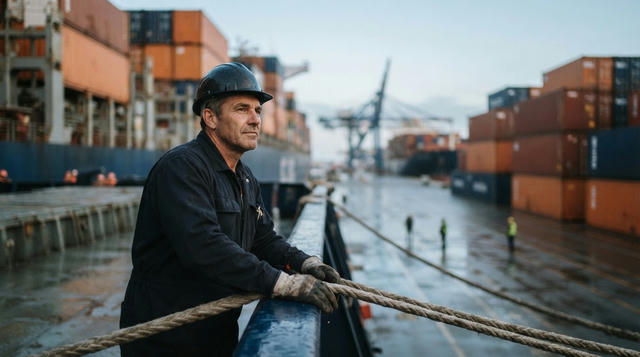
Turkey plays a crucial role in facilitating Russia's trade with the Middle East, Africa, Latin America, and the Indian Ocean region. The country has become a key transit hub for Russian goods, including oil supplies to India. In the third year of the invasion, Turkey was responsible for €34 billion of Russia's total revenues from fossil fuels.
However, Turkey's position is complex. While it has maintained economic ties with Russia, it is also a member of NATO and has condemned the invasion of Ukraine. This balancing act reflects Turkey's strategic interests in maintaining relationships with both Russia and the West.
Implications and Future Outlook
Russia's growing dependence on China, India, and Turkey has significant implications for its economic and geopolitical future. While these partnerships provide crucial economic support, they also raise concerns about Russia's long-term economic sovereignty and potential subordination to these key partners.
The sanctions imposed by Western nations have undoubtedly reshaped the Russian economy, forcing it to seek alternative markets and partners. However, the long-term effectiveness of these sanctions remains a subject of debate. While they have undoubtedly created economic challenges for Russia, they have also incentivized the country to develop new economic relationships and adapt to the changing global landscape.
Looking ahead, the future of the Russian economy will depend on a number of factors, including the duration and intensity of Western sanctions, the evolution of its relationships with China, India, and Turkey, and its ability to diversify its economy and reduce its reliance on energy exports.