Russian Supreme Court to Review Ban on Taliban Amid Shifting Geopolitical Landscape
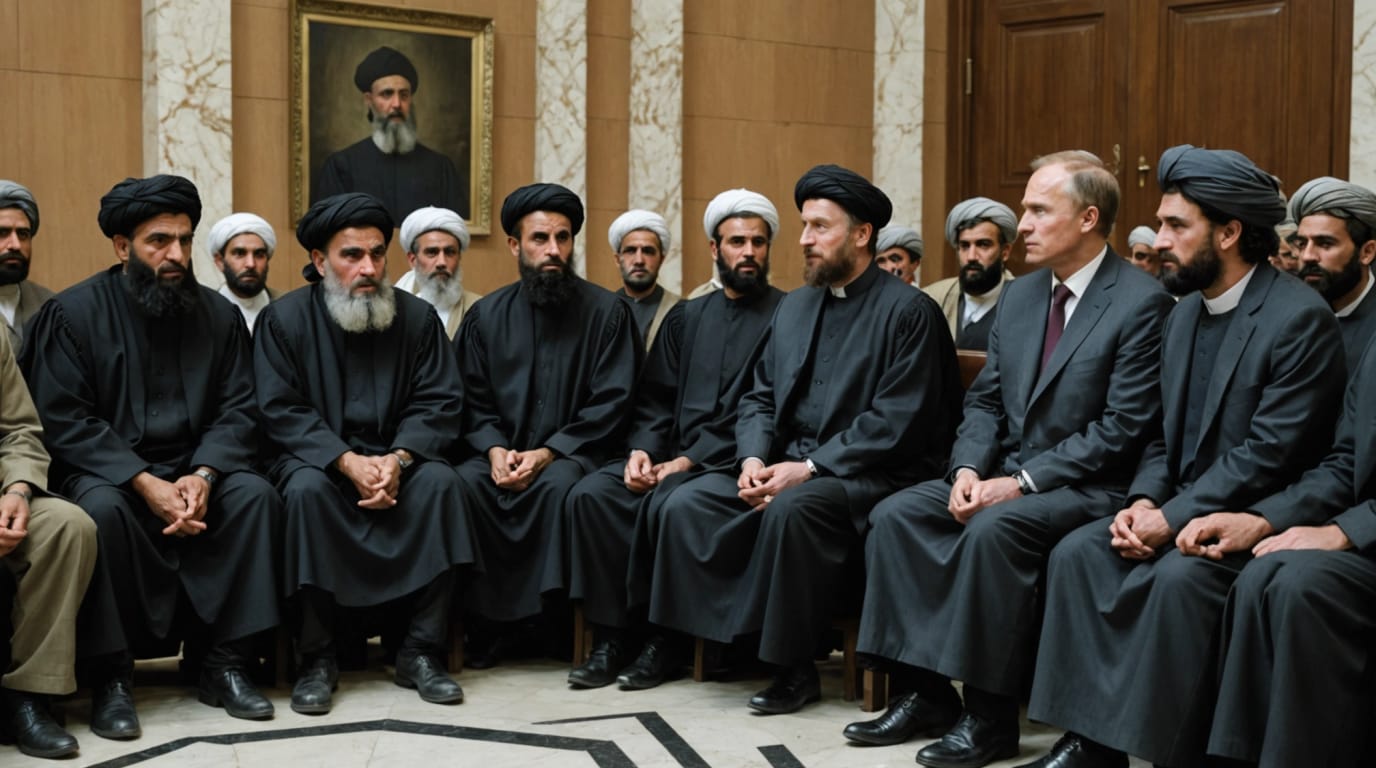
The Russian Supreme Court is slated to review a request to lift the ban on the Taliban, a move that signals a potential turning point in Russia's foreign policy and its relationship with the hard-line Islamist group. The hearing, scheduled for April 17, comes after years of gradually improving relations between Moscow and the Taliban, despite the group's history as a U.S.-designated terrorist organization.
From Blacklist to Ally: Russia's Evolving Stance
Russia's relationship with the Taliban has undergone a significant transformation over the past two decades. The Taliban was initially added to Russia's list of terrorist organizations in 2003, due to concerns over their support for separatists in the North Caucasus region. However, following the withdrawal of U.S. forces from Afghanistan in 2021 and the Taliban's subsequent takeover, Moscow has progressively deepened its diplomatic engagement with the group.
This shift in policy reflects Russia's changing geopolitical priorities and its desire to assert its influence in the region. As relations between Russia and the West have deteriorated, particularly following the conflict in Ukraine, Moscow has sought to cultivate new partnerships and alliances. President Vladimir Putin has publicly described the Taliban as a "trusted ally" and has suggested that the group could play a role in combating the Islamic State.
Legal Maneuvering Paves the Way
The upcoming court hearing is the result of a request from the Russian Prosecutor General's Office, which has asked the Supreme Court to suspend the ban on the Taliban's activities. This request follows a new law signed by Putin in December, which permits the temporary suspension of bans on organizations included in the terrorist list. The legislation allows Russia's top prosecutor to request a temporary removal if it can demonstrate that the group has ceased supporting or promoting terrorism in Russia.
The Supreme Court's press service confirmed that it had received the request from the Prosecutor General's Office. The hearing is scheduled to be held behind closed doors.
Implications of a Potential Delisting
If the Russian Supreme Court approves the request to lift the ban on the Taliban, it would mark a significant step towards legitimizing the group on the international stage. It would also allow for increased economic and political cooperation between Russia and Afghanistan under Taliban rule.
However, the move is not without its critics. Some observers have raised concerns about the Taliban's human rights record, particularly its treatment of women and girls. Since returning to power, the Taliban has enforced strict Islamic law, effectively banning women from public life and restricting their access to education and employment.
Regional Dynamics and Security Concerns
Russia's growing engagement with the Taliban is also driven by regional security concerns. Moscow is keen to prevent the spread of instability and extremism from Afghanistan into neighboring Central Asian countries, which Russia considers to be within its sphere of influence. By working with the Taliban, Russia hopes to ensure that the group does not provide support or sanctuary to terrorist groups that could threaten Russian interests.
The decision to review the ban on the Taliban also reflects Russia's broader strategy of challenging the U.S.-led international order and forging its own path in global affairs. By engaging with groups that are viewed as pariahs by the West, Russia is signaling its willingness to defy Western norms and assert its independence.
A Complex Calculation
The Russian Supreme Court's decision on the Taliban ban will have far-reaching implications for regional security, international relations, and the future of Afghanistan. While Moscow sees the Taliban as a potential partner in combating terrorism and promoting stability, concerns remain about the group's human rights record and its long-term goals. The court's ruling will be a closely watched indicator of Russia's evolving foreign policy and its willingness to engage with controversial actors in pursuit of its strategic interests.


