Russia's Delicate Dance: Why Moscow Hesitates to Fully Back Iran in Conflict with Israel
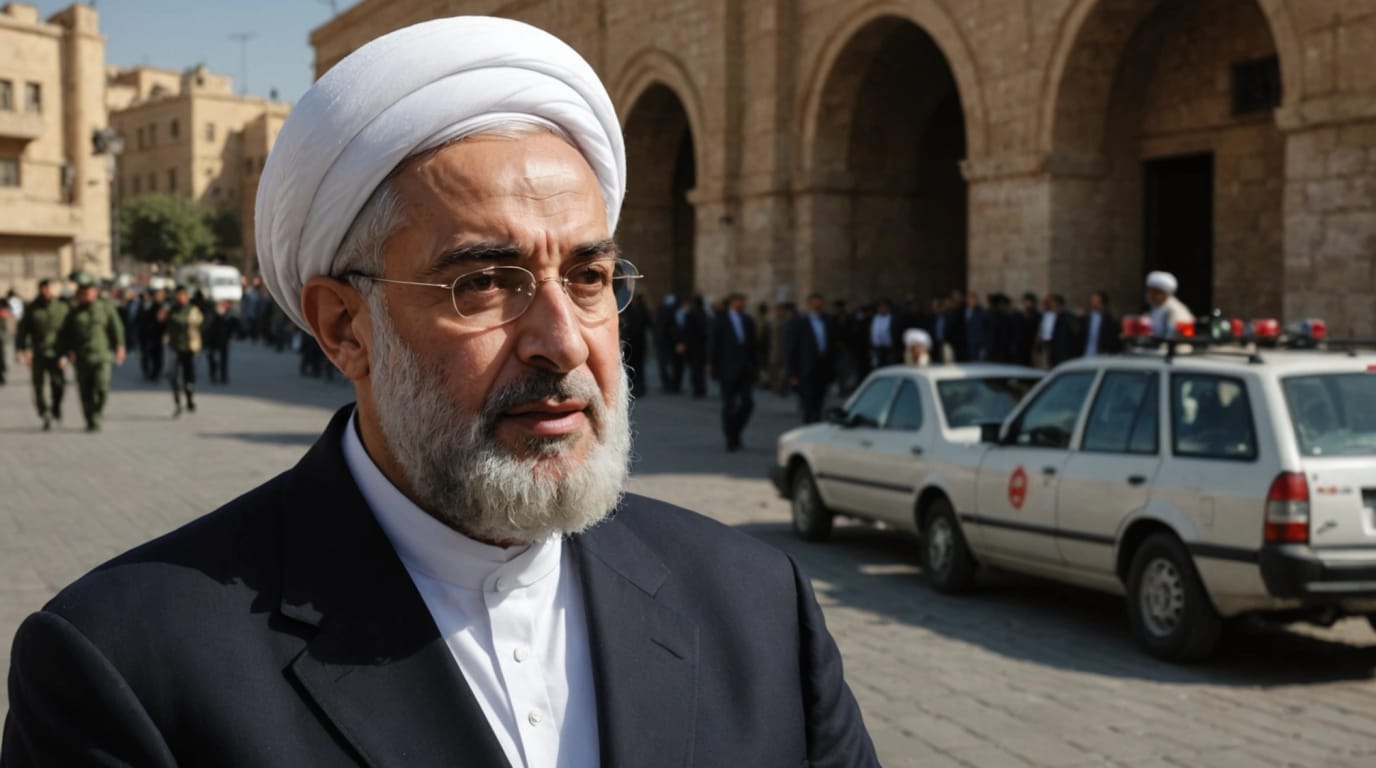
In the escalating conflict between Israel and Iran, Russia finds itself in a precarious position, carefully navigating its complex relationships with both nations. While Moscow maintains a strategic partnership with Tehran, its ties with Israel and its own geopolitical interests in the Middle East and beyond are prompting a cautious approach. As the conflict intensifies, Russia's reluctance to fully commit to Iran underscores the intricate balancing act it must perform to protect its multifaceted agenda.
The conflict between Israel and Iran has dramatically escalated in recent days, marked by a series of strikes and retaliatory attacks. Israel launched what it described as "preventive" attacks on Iranian military and nuclear targets, triggering counterstrikes from Tehran. These exchanges have resulted in significant casualties on both sides, with reports indicating hundreds of deaths and numerous injuries. The international community has voiced concerns over the escalating violence, with Russia warning of "galloping escalation" and "unpredictable consequences."
A Strategic Partnership, Not a Military Alliance
Russia and Iran have cultivated a close relationship in recent years, driven by shared interests and a mutual desire to counter U.S. influence in the region. This partnership has deepened, particularly since Russia's invasion of Ukraine, with Iran providing Russia with Shahed kamikaze drones and reportedly Fath-360 ballistic missiles. In April, Moscow ratified a strategic partnership agreement with Iran that includes provisions for both countries to counter shared threats.
Despite this strategic partnership, Russia has been careful not to create a formal military alliance with Iran. Russian Deputy Foreign Minister Andrei Rudenko explicitly stated that the agreement does not entail mutual military assistance. This distinction is crucial, as it allows Russia to maintain a degree of flexibility in its response to the Israel-Iran conflict.
Balancing Act: Russia's Ties with Israel
Russia's relationship with Israel is equally important, adding another layer of complexity to its Middle East policy. Despite supporting the Palestinian cause, Russia maintains stable relations with Israel, and the two countries have engaged in active political dialogue and delegation exchanges. A significant factor in this relationship is Israel's large community of expatriates from the former Soviet Union, estimated at 1.5 million people.
Israel has also been careful not to antagonize or sanction Moscow, even after the invasion of Ukraine. This is partly due to Russia's military presence in Syria, where Israel regularly conducts operations against Iranian-linked targets. A tacit understanding has existed between Russia and Israel, whereby Moscow has overlooked these Israeli operations in exchange for Israel's non-interference in the Syrian conflict.
Russia's Hesitations: Geopolitical and Economic Considerations
Several factors contribute to Russia's hesitation to fully support Iran in its conflict with Israel.
- Maintaining Regional Influence: Russia seeks to maintain its influence in the Middle East by engaging with all major players, including Israel, Turkey, and various Arab states. A strong alignment with Iran could alienate these other actors and undermine Russia's broader regional strategy.
- Economic Interests: Russia has economic interests in both Iran and Israel. A prolonged conflict between the two could disrupt regional trade and energy supplies, negatively impacting the Russian economy. Russia also benefits from complications in reaching a deal on the Iranian nuclear program, as it delays the entry of Iranian oil and gas into the global market, potentially boosting Russian oil revenues.
- Syria: Russia's primary goal in Syria is to preserve the Assad regime and maintain its military bases in Latakia and Tartus. While Russia and Iran have both supported Assad, they also have competing interests in the country. Russia is wary of Iran gaining too much influence in Syria and seeks to prevent Damascus from falling completely under Iran's sway.
- Ukraine War: Russia's ongoing war in Ukraine remains its top priority. A major escalation in the Middle East could divert attention and resources away from Ukraine, potentially weakening Russia's position in that conflict.
- Nuclear Proliferation: Russia, like Israel and the United States, does not want Iran to acquire nuclear weapons. Moscow was a key party in diplomatic negotiations leading to the Joint Comprehensive Plan of Action (JCPOA) in 2015, and it remains committed to preventing nuclear proliferation in the region.
Russia as a Potential Mediator
Despite its cautious approach, Russia has offered to mediate between Israel and Iran, positioning itself as a potential power broker in the conflict. President Vladimir Putin has held calls with both Israeli Prime Minister Benjamin Netanyahu and U.S. President Donald Trump, expressing Russia's readiness to facilitate de-escalation talks.
However, Russia's mediation efforts face significant challenges. Mistrust between Israel and Iran runs deep, and both countries may be unwilling to compromise. Additionally, the United States, under President Trump, may pursue its own diplomatic initiatives, potentially sidelining Russia.
Conclusion: A Delicate Balancing Act
As the conflict between Israel and Iran continues to unfold, Russia will likely maintain its delicate balancing act, seeking to protect its interests while avoiding a full commitment to either side. Moscow's strategic partnership with Iran is tempered by its ties with Israel, its economic considerations, and its broader geopolitical objectives.
Whether Russia can successfully navigate this complex landscape and emerge as a mediator remains to be seen. However, one thing is clear: Russia's role in the Middle East is becoming increasingly crucial, and its actions will have significant implications for the region's future. The coming days and weeks will be critical in determining whether diplomacy can prevail over further escalation, and whether Russia can play a constructive role in de-escalating the crisis.


