Russia's Expanding Influence: Germans Disillusioned with "Woke" Culture Become Putin's Propaganda Tools
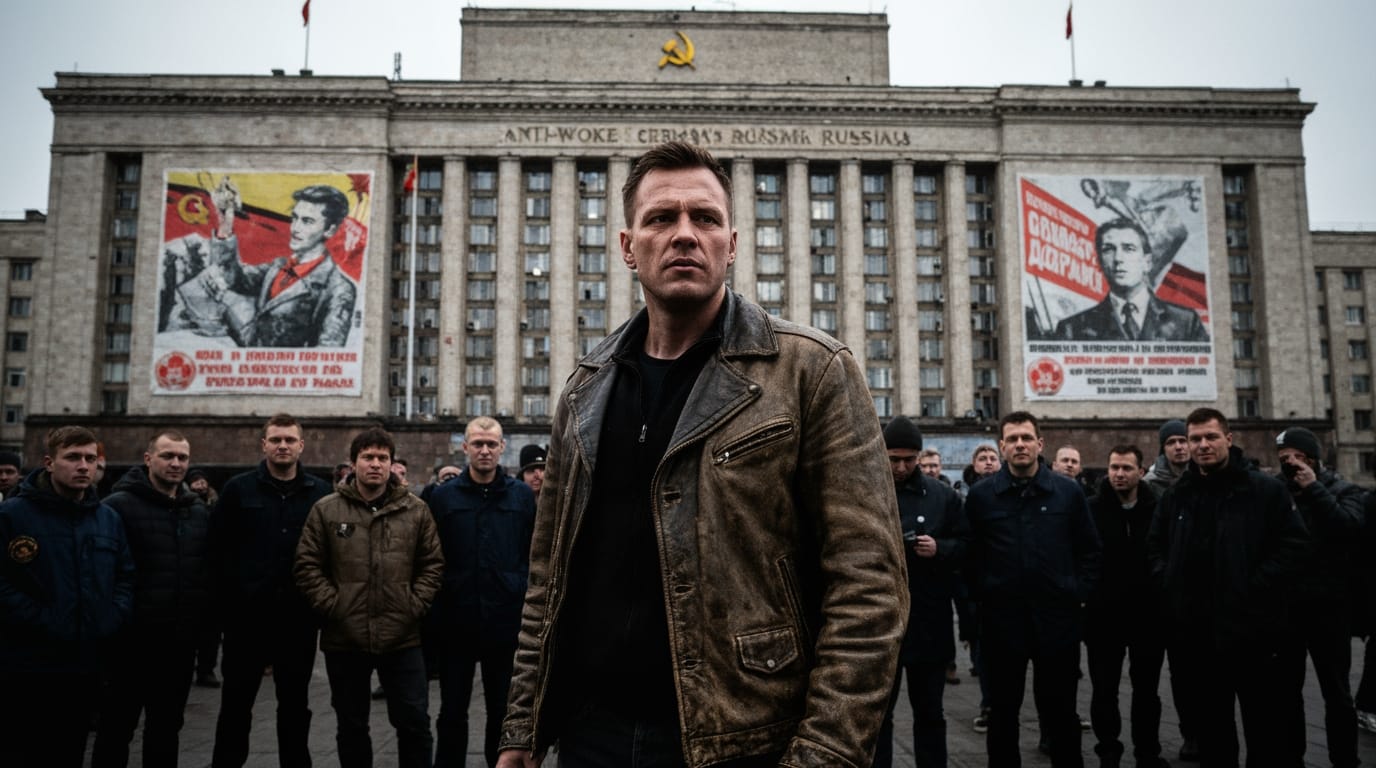
A growing number of Germans, disaffected by perceived "woke" cultural shifts and liberal policies in their home country, are relocating to Russia, unwittingly or otherwise becoming key figures in the Kremlin's expansive propaganda efforts. This phenomenon serves Moscow's strategic goal of undermining Western democracies by portraying Russia as a bastion of traditional values and a refuge from what it labels the decadent West.
The Allure of an Alternative: Seeking "Traditional Values"
The migration of some Germans to Russia is rooted in a deep disillusionment with contemporary Western society, particularly the cultural and political discourse surrounding "woke" ideologies. In Germany, discussions about "woke culture" frequently intertwine with anxieties over immigration and national identity, a sentiment exploited by far-right parties like the Alternative for Germany (AfD) to advocate for a return to traditional values. Russia has capitalized on these internal divisions, actively promoting itself as a haven for individuals seeking to escape what they perceive as an encroaching liberal agenda. President Vladimir Putin has even signed a decree simplifying the residency process for Western nationals who share what the Kremlin terms "traditional Russian spiritual and moral values," specifically targeting those who oppose LGBTQ+ movements and advocate for conventional family structures.
This narrative is further amplified by Russian state media, which regularly features figures critical of Western policies. Some Germans who have made the move voice unhappiness with cultural developments, German politics, and a pervasive belief that Germany is experiencing economic and cultural decline. Moscow's state-funded media outlets, such as RT DE, have consistently offered platforms to COVID-19 skeptics, right-wing populists, and other voices critical of the German government, feeding into existing discontent and providing what these individuals perceive as an alternative perspective.
The Kremlin's Information Warfare Machine
Once in Russia, these "anti-woke" Germans often find themselves at the center of a sophisticated and aggressive propaganda campaign orchestrated by the Kremlin. Their stories and viewpoints are meticulously curated and disseminated across various Russian media channels, serving to validate Moscow's narrative that Western societies are in moral decay and that Russia offers a superior alternative. For example, politicians from Germany's far-right AfD party have appeared on Russian television, criticizing Western media and Germany's stance on the conflict in Ukraine. These appearances are designed to give the impression of significant Western opposition to prevailing policies, thereby legitimizing the Kremlin's agenda for domestic and international audiences.
The propaganda goes beyond traditional media. Russian disinformation networks, like the "Storm 1516" group identified by German authorities, employ a multitude of online tactics, including fake accounts and AI-generated content, to spread pro-Russian narratives and discredit German political leaders. These campaigns aim to foster mistrust in established institutions and media, manipulating public opinion and promoting extremist views. False claims, such as those targeting German Foreign Minister Annalena Baerbock or Economic Minister Robert Habeck, are propagated to sow discord and undermine confidence in the government. Websites mimicking legitimate German news outlets are created to publish fabricated stories, further blurring the lines between fact and fiction. The German Foreign Ministry has explicitly stated that Russia uses online media platforms, like "Red," to sow discontent within German society as part of its ongoing disinformation war.
The Discrepancy Between Rhetoric and Reality
While Russia actively portrays itself as a land of economic stability and opportunity, the reality for many immigrants can differ significantly from the idealized image presented by state propaganda. Claims of full employment and a robust economy are often part of a disinformation narrative. In actuality, Russia's economy faces challenges such as overheating and labor shortages, evidenced by a plummeting ruble and high interest rates.
Despite these discrepancies, the appeal of Russia's "traditional values" rhetoric is undeniable for a segment of the Western population. Data suggests that a considerable number of Westerners, including Germans, have applied for temporary asylum or residency in Russia since early 2022. For instance, over 1,200 Germans sought temporary asylum, with more than 200 signing up following Putin's decree in April 2024. However, some individuals who relocated from Germany to Russia have reportedly encountered a harsh reality, realizing that the promised benefits, particularly concerning welfare and living conditions, did not align with their expectations. The Kremlin, meanwhile, views these expatriates not only as ideological allies but also as a potential source of tax revenue to offset fiscal shortfalls, suggesting a pragmatic dimension to its welcoming policies beyond shared values.
Strategic Implications for Germany and the West
The strategic use of "anti-woke" narratives and the embrace of disaffected Germans by Russia carries profound implications for Germany's internal political landscape and the broader geopolitical context. Russia's disinformation campaigns are designed to divide and destabilize Germany, erode trust in democratic institutions, discredit Western values, and ultimately weaken alliances such as the European Union and NATO. These narratives resonate particularly well with segments of the German electorate, including those on the radical right and left who are already prone to anti-Western sentiment.
The Alternative for Germany (AfD) party, with its consistent alignment with pro-Kremlin viewpoints and its members' frequent appearances on Russian state television, serves as a significant conduit for these narratives within Germany. German authorities have expressed serious concerns, identifying Russia's Main Intelligence Directorate (GRU) as being behind various disinformation campaigns and cyberattacks targeting German elections. This concerted effort is part of a larger information war waged by Moscow against Western democracies, seeking to exploit existing societal tensions and foster an environment of distrust and fragmentation. The integration of "anti-woke" Germans into this propaganda apparatus transforms individual grievances into powerful tools for geopolitical manipulation, challenging the cohesion and resilience of democratic societies.


