Russia's Northern Sea Route: A Perilous Shortcut Marred by Geopolitics, Environment, and High Costs
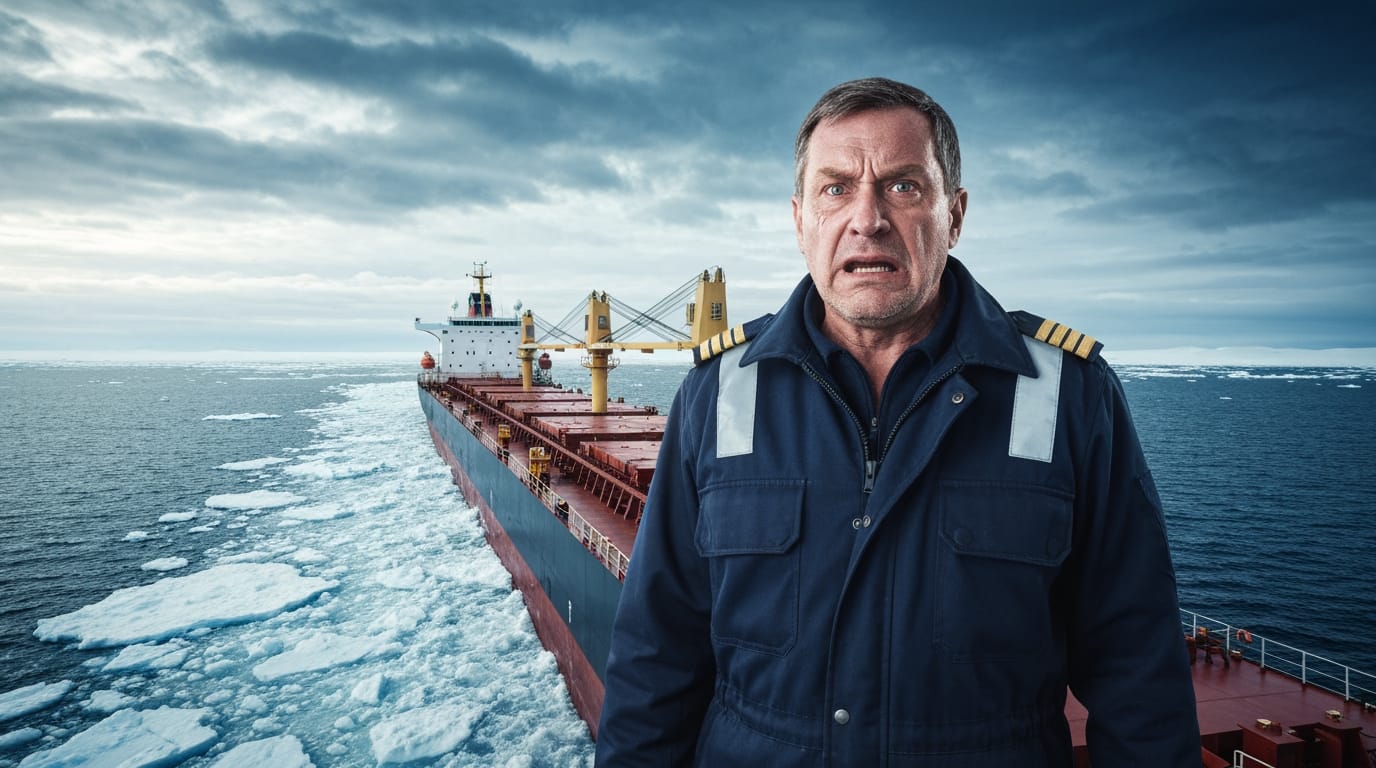
Despite its promise as a shorter maritime pathway between Asia and Europe, Russia's Northern Sea Route (NSR) continues to face significant hurdles that render it a risky and often unviable option for global shipping. While the melting Arctic ice theoretically opens the route for longer periods, the practical realities of geopolitical tensions, severe environmental challenges, and prohibitive operational costs largely overshadow any perceived advantages, keeping major international shipping companies anchored to traditional, albeit sometimes congested, lanes.
The Geopolitical Icebox: Sanctions and Sovereign Control
The geopolitical landscape has profoundly impacted the NSR's appeal to international shipping. Russia, a fervent proponent of the route, has invested significantly in Arctic infrastructure, envisioning it as a crucial artery for global trade. However, the nation's actions, particularly its war of aggression against Ukraine and subsequent international sanctions, have cast a long shadow over the route's commercial potential. Leading technology companies are now shunning Russia, making it challenging for the country to acquire the advanced ice-class ships necessary for safe Arctic navigation.
Adding to the complexity is Russia's increasing reliance on a "shadow fleet" of older vessels with opaque ownership structures and limited insurance coverage. Many of these tankers, authorized to use the NSR, are decades old, with some exceeding 50 years in service, and even include single-hull tankers widely considered environmentally high-risk. This growing fleet, often bypassing established shipping norms, raises serious safety and environmental concerns, further destabilizing global maritime security. Russia's tight control over the route also means that independent inspection and oversight are challenging, exacerbating risks.
Navigating Nature's Fury: The Harsh Arctic Environment
The Arctic environment presents formidable natural barriers, making the NSR an inherently dangerous passage. Even with the thawing of Arctic ice, conditions remain unpredictable and extreme. The route spans thousands of kilometers where distances between rescue centers are vast, and water temperatures hover near freezing, plummeting below zero in winter.
A critical concern is the lack of a robust response strategy for environmental incidents, particularly oil spills, in cold conditions. A December 2024 incident involving two oil tankers in the relatively accessible Kerch Strait, which resulted in a spill of over 3,000 tons of heavy fuel oil, highlighted Russia's unpreparedness. The cleanup operation was slow and intermittent, with much of the oil sinking and requiring manual recovery by divers due to the cold water making heavy fuel oil denser. This incident, in a mild, accessible area with infrastructure, raises serious red flags about the potential for catastrophic consequences should a similar event occur in the remote, ice-covered Arctic where cleanup is complicated or even prevented by ice, making oil removal nearly impossible. The Mediterranean Shipping Company (MSC) has explicitly rejected the NSR on environmental grounds, citing risks to biodiversity, the acceleration of ice melt, increased black carbon emissions, and the potential for a catastrophic oil spill.
The Economic Iceberg: Cost and Infrastructure Deficiencies
Despite offering a shorter distance between East Asia and Europe compared to the Suez Canal, the NSR remains significantly more expensive for shippers. Currently, the cost of transportation along the NSR can be approximately three times higher than through the Suez Canal. This disparity stems from several factors, including the need for specialized ice-class vessels, higher insurance premiums, and the operational costs associated with icebreaker escorts.
Russia has attempted to counter these economic disadvantages by proposing federal programs and financing to reduce the cost of delivery through the Arctic, aiming to make it eventually cheaper than the Suez Canal route. However, the route's infrastructure remains severely underdeveloped. The Russian Arctic coast suffers from a deficiency of ports and connectivity infrastructure linking the region to industrial and commercial hubs. The necessary rail lines and other logistical support are either underdeveloped or not fully planned, demanding tremendous investments in capacity building, including constant repair, maintenance, and expansion of ice-breaker fleets. While Russia seeks partners like India and China to develop the NSR, the lack of a global ice-breaking fleet makes short-term usage untenable for many.
A Speculative Future: Ambition Versus Reality
Russian President Vladimir Putin has expressed ambitious targets for the NSR, aiming for shipping volumes to reach 80 million tons by 2024, and up to 130 million tons by 2035, with liquefied natural gas (LNG) expected to constitute a large share. However, these plans have fallen far short of realization. In 2024, shipping volumes amounted to 37.9 million tons, an increase from 2023 but still significantly below the set targets. The introduction of international sanctions, making it difficult for Russia to build advanced ice-class ships, has forced the country to rely on hiring aging vessels, some of which are unfit for navigating sea ice. Alarmingly, the Northern Sea Route Administration did not reject a single vessel in 2024, even some oil tankers sailing without appropriate ice-class certifications.
In conclusion, while the Northern Sea Route presents a compelling theoretical shortcut for global trade, its practical implementation is fraught with challenges. The current geopolitical climate, characterized by international sanctions and Russia's sovereign control, deters many international shippers. The unforgiving Arctic environment poses significant operational hazards and raises dire concerns about environmental protection, especially in the event of an oil spill. Economically, the route remains far more expensive than established alternatives, burdened by high operational costs and a severe lack of adequate infrastructure. Until these multifaceted risks are substantially mitigated, the Northern Sea Route will likely remain a speculative endeavor, appealing mainly to internal Russian operations and those willing to accept considerable risk, rather than a universally adopted artery for global commerce.


