Russia's Systematic Campaign: Ukrainian Children Militarized and 'Re-Educated' in Occupied Territories
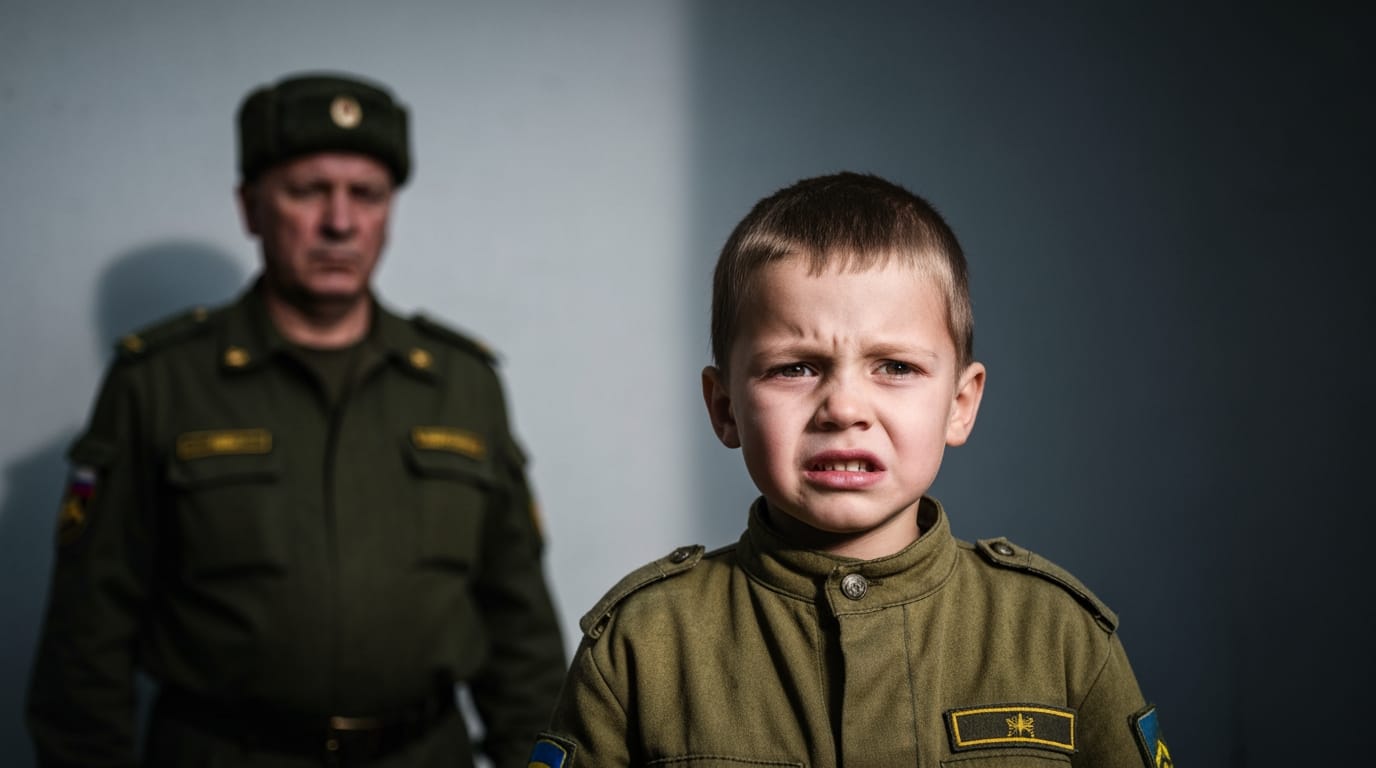
Thousands of Ukrainian children, forcibly transferred to Russian-controlled territories since the 2022 invasion, are being subjected to a systematic program of "re-education" and militarization designed to erase their Ukrainian identity and integrate them into Russian society. This deliberate campaign, identified by international bodies as potential war crimes and crimes against humanity, involves placing children in a vast network of camps and facilities where they undergo pro-Russian indoctrination, cultural assimilation, and, in many cases, military training. The international community continues to grapple with the immense challenges of tracing and returning these children, while Russia maintains its actions are for the children's protection.
The Scale of Forced Transfers and Disappearances
The exact number of Ukrainian children forcibly transferred remains a point of contention, with various estimates highlighting the profound scale of the issue. Ukrainian authorities have verified the identities of over 19,000 abducted children through their "Children of War" portal. However, the actual figure is believed to be significantly higher, with Ukraine's ombudsman on children's rights estimating between 200,000 and 300,000, while the Yale Humanitarian Research Lab places the number closer to 35,000. Russian officials, conversely, claim over 700,000 Ukrainian children have been "relocated".
These children include orphans, those from state institutions, and those separated from their families or guardians during the conflict. Reports indicate that vulnerable groups, such as children with disabilities and those from low-income families, were particularly targeted. Many parents in Russian-occupied areas were pressured or coerced into sending their children to what were described as "summer camps" for respite from the war, only for their return to be obstructed. Some children, taken at a very young age, may struggle to remember their origins, further complicating efforts to reunite them with their families.
The network of facilities where these children are held is extensive, with reports identifying at least 43 known facilities by early 2023, expanding to over 200 camps across Russia and occupied Ukraine by late 2025. These sites range from traditional summer camps to schools, medical facilities, and military bases, stretching from Russian-occupied Crimea to Russia's Far East and even including facilities in Belarus.
Erasing Identity: The 'Re-education' Programs
The core objective of Russia's program is the cultural assimilation and "re-education" of Ukrainian children, aiming to strip them of their national identity and foster pro-Russian sentiments. More than half of the identified facilities engage in re-education efforts. Children are exposed to a Russia-centric curriculum, including Russian language, history, and propaganda, designed to align their understanding of national culture and society with Russia's vision. The explicit intent is to dismantle Ukraine as a nation by dismantling the Ukrainian identity of its youngest generation.
This process often involves denying children their Ukrainian citizenship, assigning them Russian nationality, and facilitating their adoption into Russian families. In some instances, birth records and names have been altered, creating significant barriers to identifying children for return and erasing their past. Advocacy groups highlight a "lost connection syndrome" among these children, a direct result of deliberate efforts to sever their ties to Ukrainian cultural and social roots. The Russian government's actions are seen as a modern-day continuation of Soviet-era tactics used to mold children into loyal citizens through state-controlled camps.
From Camps to Combat: The Militarization of Youth
Beyond cultural assimilation, a significant component of Russia's program involves the militarization of Ukrainian children. Reports indicate that at least 18% of the identified facilities subject children to military training. These programs include patriotic indoctrination, combat drills, paratrooper training, and even instruction on assembling drones for the Russian armed forces. Children as young as eight have reportedly been involved in weapons training and grenade-throwing competitions.
Prominent state-controlled youth organizations, such as "Yunarmiya" and the "Movement of the First," play a crucial role in this indoctrination. "Yunarmiya," a militarized youth organization, encourages aggression and cultivates hostile narratives, preparing children for potential future participation in armed conflicts. Similarly, the "Movement of the First," a revived Soviet-era youth organization, aims to instill Russian patriotism. While participation in these programs is often presented as voluntary, there are documented instances of pressure being applied to children and their parents, with implications for their educational progression if they refuse. This systematic militarization is described as a "pipeline" to turn Ukrainian children into future soldiers for Russia's imperial ambitions.
International Condemnation and Efforts for Accountability
The forced transfer, re-education, and militarization of Ukrainian children have drawn widespread international condemnation and led to significant legal actions. On March 17, 2023, the International Criminal Court (ICC) issued arrest warrants for Russian President Vladimir Putin and Maria Lvova-Belova, Russia's Commissioner for Children's Rights, alleging criminal responsibility for the unlawful deportation and transfer of Ukrainian children. This marked the first time the ICC issued an arrest warrant against the leader of a permanent member of the United Nations Security Council. International legal experts assert that Russia's actions constitute war crimes and crimes against humanity, with some citing the 1948 Genocide Convention.
In response to these grave violations, an "International Coalition for the Return of Ukrainian Children" was launched in February 2024, co-chaired by Ukraine and Canada, and including 49 countries and international organizations by May 2026. This coalition serves as a platform to coordinate diplomatic, humanitarian, legal, and informational efforts to address the unlawful deportation and facilitate the return of children. Recent high-level meetings have focused on strengthening tracing and verification mechanisms, providing support for return efforts, and ensuring accountability. Lithuania, for instance, has pledged over €10 million to support initiatives related to the return and rehabilitation of these children. The European Union, the United Kingdom, and Canada have also imposed sanctions on individuals and institutions involved in the systemic deportation and indoctrination programs.
A Lingering Crisis and the Path Forward
Despite international efforts, the challenges of returning Ukrainian children remain formidable. Russia has consistently refused to provide Ukraine or international bodies with records of the transferred children, obstructing verification and repatriation efforts. While around 2,200 children have been successfully returned, this represents a fraction of the total believed to be held in Russia. The process of reintegration for returned children is complex, often involving renewed trauma and a long period of adaptation.
The systematic transfer, "re-education," and militarization of Ukrainian children by Russia represent not merely a humanitarian crisis but a deliberate attempt to erase a generation's identity and undermine the future of a sovereign nation. The ongoing efforts by the international community to trace, verify, and repatriate these children, alongside persistent calls for accountability for those responsible, underscore the profound and lasting impact of these actions on Ukraine's youngest and most vulnerable population. The fate of these children remains a critical measure of the international rules-based order and a testament to the urgent need for justice.


