Sahel's Mineral Wealth Sparks New Power Dynamics Amidst Junta Rule
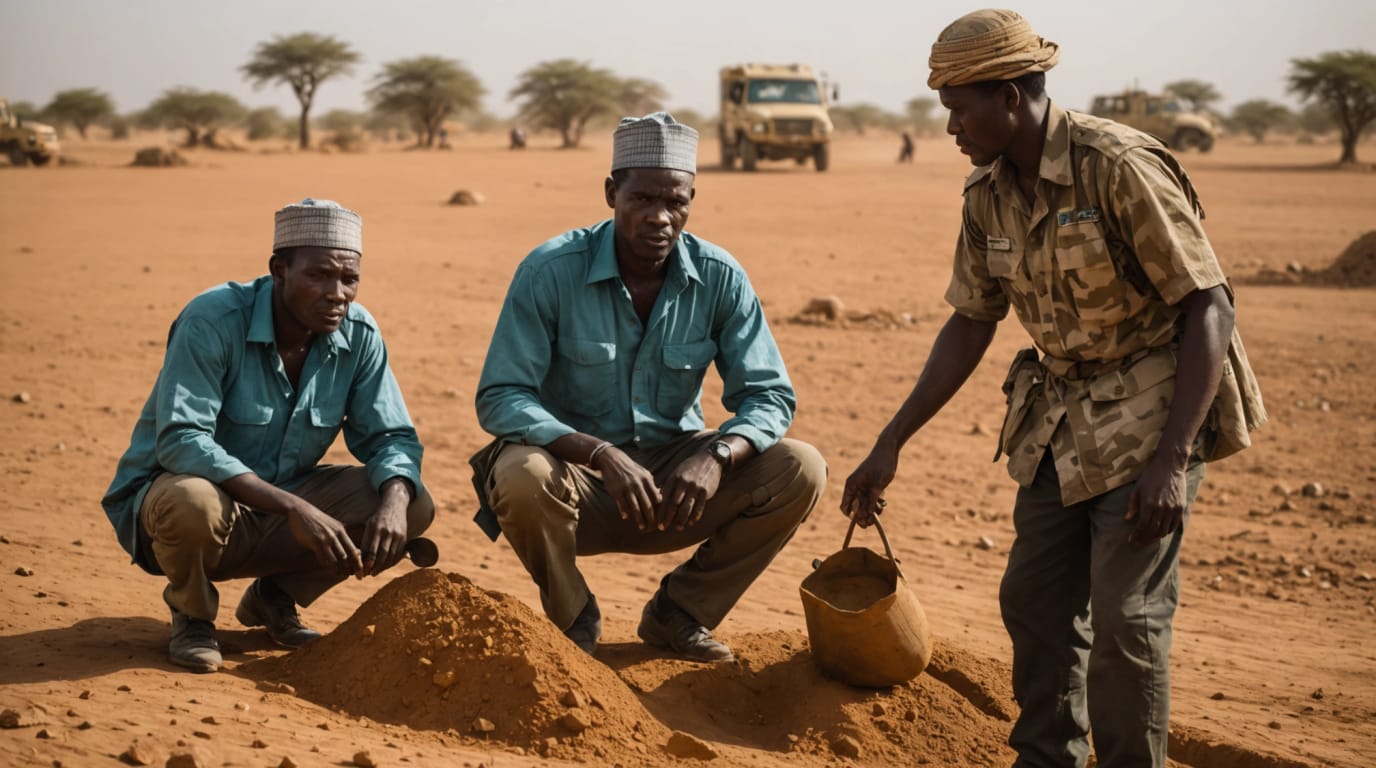
The Sahel region, a semi-arid belt stretching across Africa, is experiencing a dramatic shift in its economic and political landscape. Rich in mineral resources like gold, uranium, lithium, and oil, the region has long been plagued by poverty, instability, and the heavy influence of foreign powers. Now, military juntas in Mali, Burkina Faso, and Niger are breaking new ground by seeking to reclaim control over these resources, challenging established norms and sparking tensions with international companies. This push for resource sovereignty is reshaping alliances, attracting new global players, and raising questions about the future of the Sahel.
A Region of Paradox: Wealth Amidst Poverty
The Sahel presents a stark paradox: a region brimming with natural resources yet mired in poverty. Countries like Niger, despite possessing significant uranium deposits, rank low on the Human Development Index. Burkina Faso is rich in gold, diamonds, and zinc, while Chad boasts substantial oil reserves. Mali's economy relies heavily on gold mining, which accounts for over 90% of its exports. However, the benefits of this mineral wealth have often failed to reach the local populations, with much of the profits flowing to foreign entities. This disparity has fueled resentment and contributed to the region's instability. According to the World Bank, extractives contribute significantly to the GDP rents of Mauritania (15% from iron ore), Mali (8% from gold), Burkina Faso (9.5% from gold), Niger (2% from gold and oil), and Chad (20% from oil).
Juntas Assert Control: A New Era of Resource Nationalism
In recent years, a wave of military coups has swept across the Sahel, bringing to power juntas determined to assert greater control over their nations' resources. These governments are implementing new mining codes and tax policies aimed at increasing state ownership and reducing reliance on foreign companies. Mali, for example, has eliminated tax breaks for international companies and raised the maximum state stake in gold mines from 20% to 35%. This move, framed as a "sovereignty agenda," seeks to ensure that "gold should shine for Malians." Similar efforts are underway in Burkina Faso and Niger, signaling a region-wide shift towards resource nationalism.
This assertive stance has led to friction with foreign mining companies. Barrick Gold, a major Canadian firm, temporarily suspended operations in Mali after the junta seized gold stockpiles worth approximately $200 million. In Niger, the junta revoked the license of French uranium company Orano for the Imouraren uranium deposit, a site holding reserves estimated at 200,000 tons, forcing the company to suspend production. These actions highlight the growing risks faced by foreign investors in the Sahel as juntas prioritize national interests.
The Rise of Artisanal Mining and Security Concerns
While the juntas focus on large-scale mining operations, artisanal and small-scale mining (ASM) plays a crucial role in the local economy. ASM employs approximately 1.8 million people across the Sahel and accounts for about 50% of total gold production in Mali and surrounding countries. However, much of this activity occurs informally and without regulation, making it vulnerable to exploitation by organized crime and armed groups.
The Sahel faces escalating violence as terrorist organizations exploit the region's instability. Reports indicate that jihadist groups have increasingly turned to gold mining as a source of funding, using the mines as both hideouts and treasure troves to recruit new members and buy arms. This nexus between mineral resources, insecurity, and armed conflict poses a significant challenge to the region's stability.
Shifting Alliances: Russia and China Enter the Scene
As the Sahelian juntas distance themselves from traditional Western partners, new alliances are emerging. Russia and China are vying for influence and access to the region's mineral wealth. In Burkina Faso, the ruling junta awarded mining rights to the Russian firm Nordgold, owned by sanctioned Russian oligarch Alexei Mordashov, to exploit gold deposits. Similarly, the Chinese state-owned China National Petroleum Corporation has an ongoing operation in Chad to extract petroleum. In Mali, the Chinese firm Ganfeng Lithium acquired half of the Goulamina mine, one of the world's largest lithium deposits. China has also initiated the construction of an oil pipeline between Niger and Benin.
These developments suggest that the Sahel is increasingly aligning itself with Russia and China, who offer security assistance and economic partnerships without the conditions often attached to Western aid. This shift in alliances has significant implications for the geopolitical landscape of the region. Russia's most common modus operandi in Africa is to provide security to mining sites, which allows them to sell the narrative that they are working with the country and its people.
Challenges and Opportunities Ahead
The Sahel's pursuit of resource sovereignty presents both challenges and opportunities. The juntas must balance their desire for greater control with the need to attract foreign investment and expertise. They need to establish transparent and accountable governance structures to ensure that mineral wealth benefits local populations and contributes to sustainable development. Addressing insecurity, combating corruption, and formalizing the artisanal mining sector are also critical priorities.
For foreign investors, the changing landscape requires a reassessment of risk and a willingness to adapt to the new realities of the Sahel. Companies that prioritize partnerships with local communities, respect environmental standards, and operate transparently are more likely to succeed in this evolving environment.
The future of the Sahel hinges on how well these governments manage their newfound authority while addressing the underlying issues of insecurity and governance. The outcomes will shape not only the region's economic future but also its stability and security in an increasingly volatile environment. The region needs to assert control over resources while fostering an environment conducive to investment.
Conclusion: A Region at a Crossroads
The Sahel stands at a crossroads. The decisions made by its leaders in the coming years will determine whether its mineral wealth becomes a catalyst for sustainable development or a source of further conflict and instability. The push for resource sovereignty, while fraught with challenges, represents a historic opportunity for the region to chart a new course and build a more prosperous future for its people. As the juntas break new ground, the world watches to see whether they can navigate the complexities of resource management and deliver on their promises of a better tomorrow.


