Senate Approves $70 Billion for Immigration Enforcement, Bolstering ICE and Border Patrol Operations
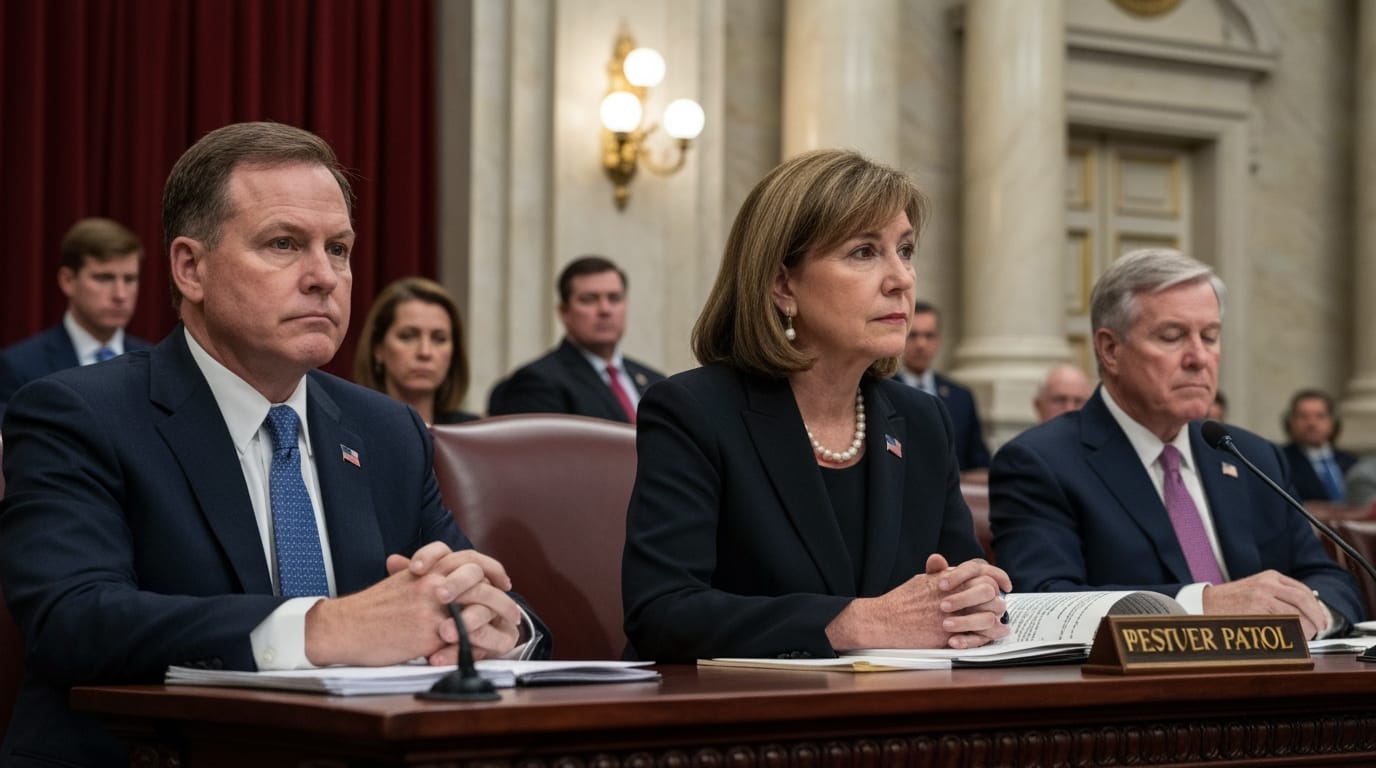
WASHINGTON D.C. — The United States Senate, following a marathon overnight session, has approved a substantial funding package totaling nearly $70 billion for immigration enforcement, primarily earmarking funds for Immigration and Customs Enforcement (ICE) and Customs and Border Patrol (CBP). The measure, passed early Friday morning, June 5, 2026, represents a significant victory for the Trump administration's immigration agenda, aiming to finance its migrant deportation efforts over the next three years. The 52-47 vote saw no support from Senate Democrats, with one Republican, Senator Lisa Murkowski of Alaska, joining the opposition, highlighting the deep partisan divide surrounding border security and immigration policy in the nation.
Legislative Maneuver and Partisan Lines Drawn
The passage of this bill marks a pivotal moment in the ongoing political battle over America's borders. Republicans utilized the budget reconciliation process, a legislative tool that bypasses the Senate's typical 60-vote threshold, to push the funding through without Democratic votes. This strategic move allowed the majority party to overcome months of stalled negotiations and Democratic resistance to increased immigration enforcement spending. The contentious "vote-a-rama" session, which stretched for over 18 hours, saw numerous amendments proposed, many of which sought to address a highly controversial aspect of the broader legislative landscape: a proposed $1.8 billion "anti-weaponization fund".
The funding is designated to support the robust operations of ICE and CBP, agencies at the forefront of the administration's crackdown on undocumented immigration. Proponents argue the funds are crucial for enhancing national security, managing border crossings, and combating illicit activities such as drug trafficking. This legislative action arrives amidst persistent debates regarding the effectiveness and humanitarian implications of current immigration enforcement strategies.
The Rationale: Bolstering Border Security and Enforcement Capabilities
Supporters of the $70 billion appropriation contend that the funding is an urgent necessity to secure the nation's borders and enforce existing immigration laws. Senator Lindsey Graham, a vocal advocate for the bill, expressed pride in his Republican colleagues for ensuring ICE and Border Patrol are "fully funded". Arguments frequently centered on the need for increased resources to manage the influx of migrants, interdict illegal substances, and address what many Republicans characterize as a crisis at the southern border.
The allocated funds are intended to expand existing capabilities within ICE and CBP. While specific breakdowns of the $70 billion were not immediately detailed in all public statements, the general focus is on personnel, technology, and operational capacity for immigration enforcement and deportation efforts. Republicans have consistently accused Democrats of attempting to "defund" these critical agencies, asserting that the new funding package is a direct response to perceived shortfalls and unspent funds from previous appropriations. This perspective emphasizes a law-and-order approach to immigration, prioritizing enforcement as the primary solution to border challenges.
Deep-Seated Controversies: The "Anti-Weaponization Fund" and Democratic Opposition
Despite the Senate's passage of the immigration enforcement funding, the legislative process was fraught with internal Republican divisions and widespread Democratic opposition, largely centered around a separate and highly contentious issue: the administration's proposed $1.8 billion "anti-weaponization fund". This fund, intended to compensate political allies for alleged government mistreatment, drew bipartisan criticism and nearly derailed the funding bill itself.
Democrats, led by Senate Minority Leader Chuck Schumer, vehemently opposed the core immigration funding package, arguing that it represents a misallocation of resources and a perpetuation of what they describe as a "personal police force" for the President. They also highlighted that ICE and CBP already possessed significant unspent funds from previous larger DHS spending packages. During the "vote-a-rama," Democrats attempted to introduce amendments to ban the "anti-weaponization fund" permanently, efforts that ultimately failed despite some Republican support. The controversy surrounding this fund underscored broader concerns about accountability and the potential for misuse of taxpayer dollars. Republican senators Susan Collins, Jon Husted, and Dan Sullivan were among those who joined Democrats in attempts to block the fund, exposing rifts within the GOP ranks.
Looking Ahead: The House Vote and Future Implications
With the Senate's approval, the nearly $70 billion immigration enforcement funding bill now moves to the House of Representatives for final consideration, with a vote anticipated as early as next week. The path forward in the House is expected to be similarly contentious, mirroring the deep divisions observed in the Senate.
The implications of this significant funding package are far-reaching. If enacted, it is projected to substantially boost the operational capabilities of ICE and CBP for the remainder of the current presidential term. This could translate into increased personnel, expanded detention facilities, more advanced surveillance technology, and accelerated deportation processes. Critics express concerns that such a focus on enforcement could exacerbate humanitarian issues at the border and further strain an already complex immigration system. Conversely, proponents anticipate a marked improvement in border security and a more effective deterrent against illegal crossings.
The legislative battle also reveals the intense political pressures surrounding immigration in an election year. The focus on border security remains a central theme for the administration, while Democrats continue to push for more comprehensive immigration reform that includes pathways to citizenship and addresses the root causes of migration. The upcoming House vote will be a critical determinant of whether this substantial investment in immigration enforcement becomes law, shaping the future landscape of U.S. border policy and the lives of countless individuals.


