Severe Storms Sweep Across U.S., Claiming Lives of Sixteen, Including Children
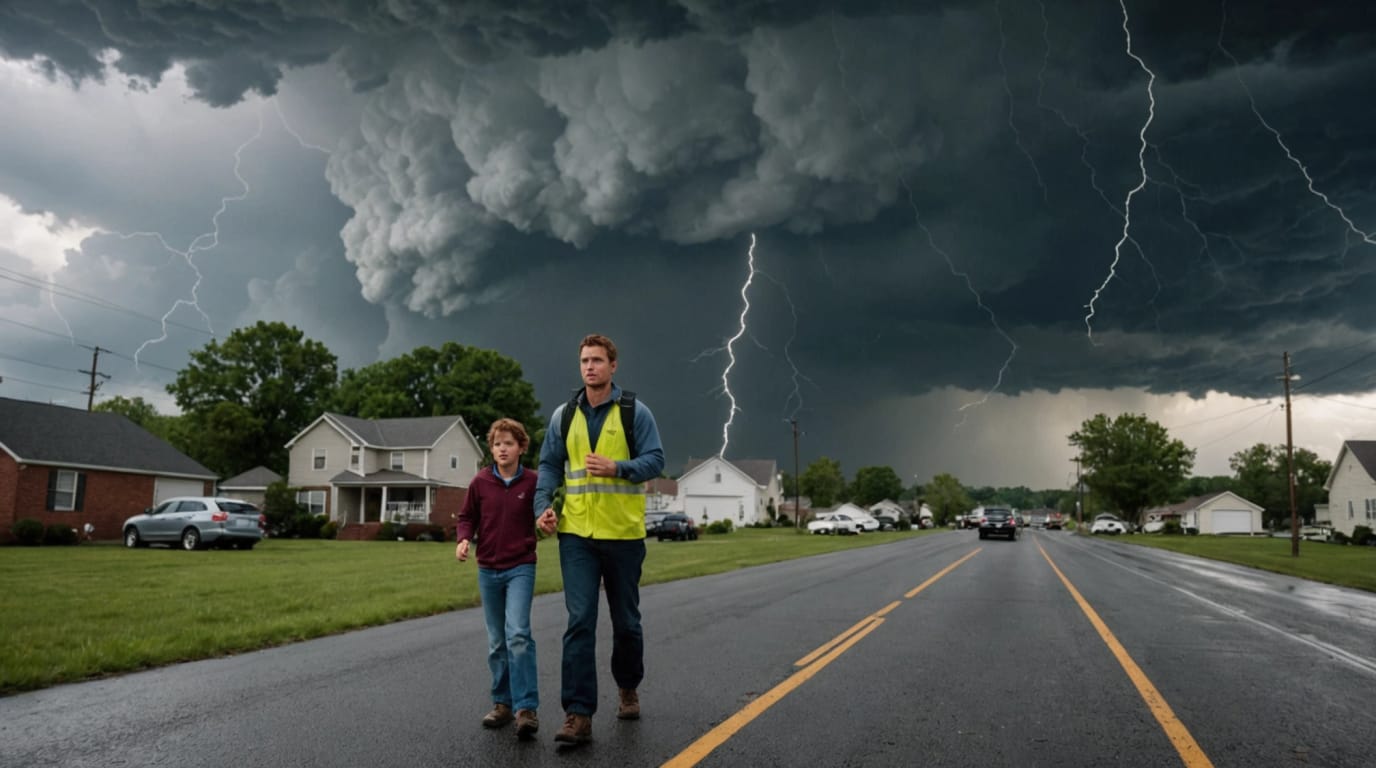
A relentless onslaught of severe weather, including tornadoes and historic flash flooding, has devastated several states across the central U.S., leaving at least 16 people dead. The storms, which began earlier in the week, have caused widespread destruction and prompted emergency declarations in multiple states. The tragic loss of life includes a 9-year-old boy in Kentucky and a 74-year-old driver, highlighting the indiscriminate nature of the disaster.
Kentucky Reels from Flooding
Kentucky has been particularly hard hit by the severe weather. In Frankfort, a 9-year-old boy, Gabriel Andrews, was swept away by floodwaters while walking to his school bus stop. Emergency services found his body a few hours later. In Nelson County, a 74-year-old driver was found dead in their vehicle after attempting to cross a flooded roadway. Local authorities are urging residents to avoid crossing flooded areas, emphasizing the dangers of flash floods. The Kentucky River saw a building swept away by the swollen river. Hopkinsville, Kentucky has also experienced significant flooding, prompting numerous water rescues. Residents are reporting the worst flooding they have ever seen in the area.
Tornadoes Leave Trail of Destruction
Earlier in the week, a deadly tornado outbreak spawned more than 30 reported twisters across the lower and mid-Mississippi Valley. While the storms have lessened in intensity, the damage left behind is extensive. Entire communities have been leveled, leaving residents to sift through the wreckage of their homes and businesses. The storms have not only destroyed property but also disrupted essential services, leaving thousands without power.
States of Emergency Declared, Aid on the Way
In response to the widespread devastation, President Donald Trump approved a disaster declaration for all 95 counties in Tennessee. This declaration sets in motion the Federal Emergency Management Agency's (FEMA) response to disaster relief across the state, providing much-needed resources to affected communities. Other states are also seeking federal assistance to help with recovery efforts. Governors have activated National Guard units to assist with search and rescue operations, debris removal, and the distribution of essential supplies. Shelters have been opened to house those displaced by the storms.
Community Response and Resilience
Despite the immense challenges, communities across the affected states are coming together to support one another. Volunteers are working tirelessly to clear debris, provide meals, and offer emotional support to those who have lost everything. Local organizations and charities are coordinating relief efforts, collecting donations of food, clothing, and other essential items. The spirit of resilience and compassion is evident as people help their neighbors rebuild their lives.
Looking Ahead: Recovery and Prevention
As the immediate crisis subsides, the focus will shift to long-term recovery efforts. This will involve rebuilding homes and infrastructure, providing mental health services to those traumatized by the storms, and developing strategies to mitigate the impact of future severe weather events. Experts are urging communities to invest in early warning systems, improve building codes, and implement land-use policies that reduce the risk of flooding and tornado damage. The recent storms serve as a stark reminder of the increasing vulnerability of communities to extreme weather and the importance of preparedness and resilience.


