Shadows Over Mwanza: Tanzania's Deadly Post-Election Crackdown Unveiled
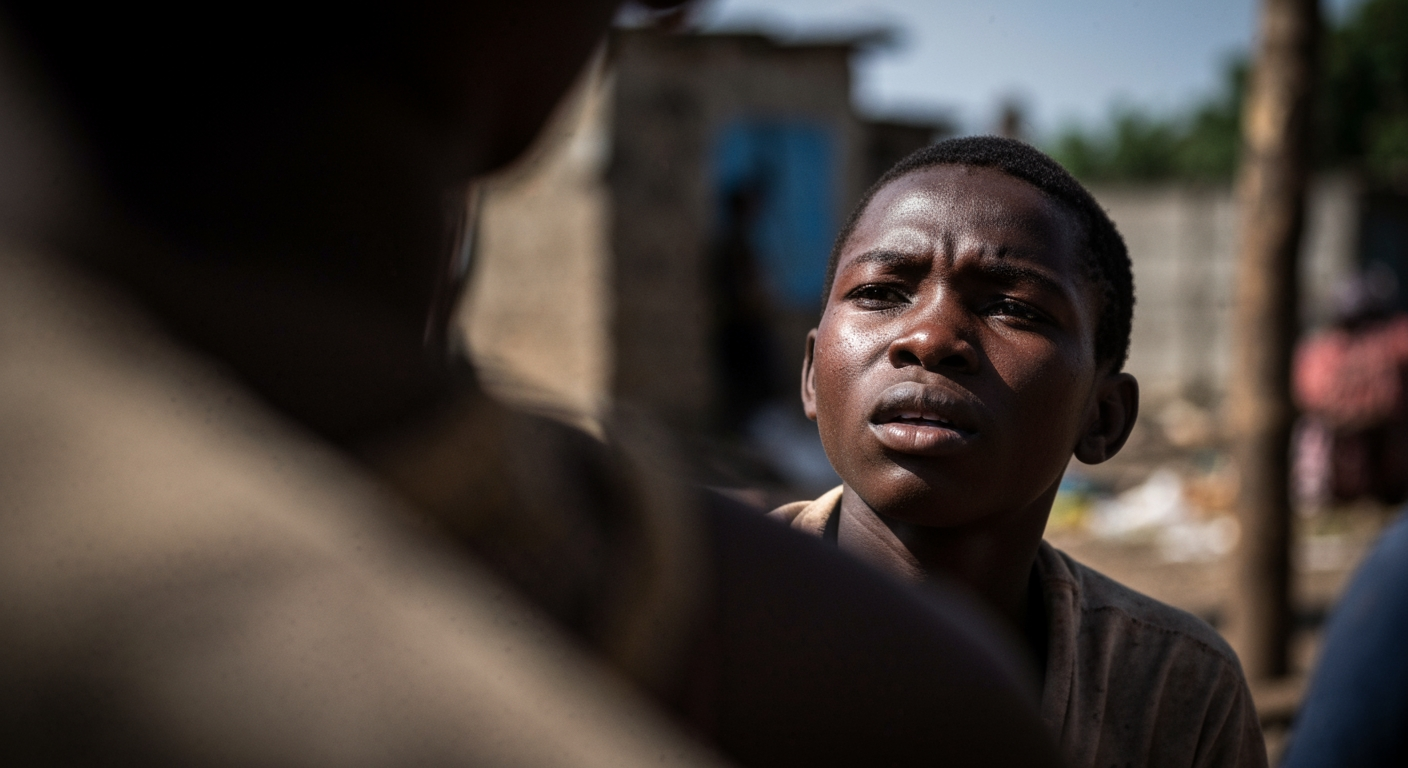
MWANZA, Tanzania – In the wake of Tanzania's October 29, 2025 general elections, the city of Mwanza became a focal point of a brutal post-election crackdown, characterized by widespread violence, alleged extrajudicial killings, and severe human rights abuses. What began as protests over disputed election results escalated into a deadly confrontation between security forces and civilians, drawing condemnation from international bodies and raising grave concerns about the nation's democratic trajectory. Reports from human rights organizations and eyewitnesses paint a grim picture of systematic repression, with Mwanza bearing witness to some of the most shocking incidents of violence.
Election Turmoil Ignites Widespread Protests
The 2025 Tanzanian general elections were marred by widespread allegations of irregularities even before polling day. Opposition candidates faced disqualification, harassment, and arbitrary arrests, contributing to an environment of political tension and stifled dissent. On October 29, after the polls closed, concerns swiftly escalated into protests across the country, fueled by accusations of election interference and a lack of transparency. The incumbent President was declared the winner with a significantly high percentage of the vote, a result immediately disputed by opposition parties who labeled the election a "sham". It was against this backdrop of political distrust that state security forces, including police and plain-clothed armed individuals, launched a forceful response to suppress public unrest.
Mwanza Becomes a Scene of Deadly Confrontation
The crackdown was particularly severe in Mwanza, a city on the shores of Lake Victoria. One harrowing incident occurred on October 31, 2025, in the Mjimwema neighborhood. Around 8:30 p.m., police officers reportedly appeared and opened fire without warning on residents who were going about their evening routines. Witnesses described officers ordering men taking shelter in a nearby cafe to lie on the ground before shooting them. By the time the gunfire subsided, more than a dozen individuals lay dead. A video, later verified, depicted 13 lifeless bodies on the blood-soaked ground. This was not an isolated event; eyewitnesses in Mwanza, as well as in Dar es Salaam and Arusha, reported seeing officers shooting at civilians who were not actively protesting, sometimes far from any known demonstrations. These accounts, including reports of "execution-style killings" in Mwanza captured by night-time footage, suggest a systematic and indiscriminate use of lethal force.
A Staggering Toll and Concealed Evidence
Estimates of fatalities vary widely but consistently point to a significant loss of life. The UN human rights office indicated hundreds were killed, while UN experts estimated at least 700 extrajudicial killings, noting that other assessments suggested potentially thousands of victims. The Catholic Church in Tanzania reported hundreds of fatalities, and the main opposition Chadema party claimed over 1,000 deaths, alleging that security forces were concealing bodies to obscure the true scale of the violence. A Chadema spokesman specifically cited over 200 deaths in Mwanza alone. The Kenya Human Rights Commission went further, asserting that up to 3,000 people might have been killed, with thousands more missing. Human rights organizations like Amnesty International and Human Rights Watch documented the repeated use of live ammunition by security forces against protesters and bystanders, often in residential areas, underscoring a disproportionate and unlawful response. Amidst these reports, there were allegations of mass graves being dug across various towns, including Mwanza, further complicating efforts to ascertain the precise human cost.
Broader Suppression and Government Response
Beyond the lethal force, the crackdown involved a comprehensive suppression of civic freedoms. Authorities imposed a nationwide internet shutdown and a 24-hour lockdown from October 29 to November 3, effectively isolating citizens and hindering independent reporting. Journalists faced restrictions, and opposition leaders and activists were arbitrarily arrested and detained. Many faced serious charges, including treason, for inciting demonstrations. The Tanzanian government has acknowledged that lives were lost but has denied the use of excessive force, asserting that security forces acted appropriately to restore order and prevent the overthrow of the government. While an inquiry into the allegations has been announced by the president, its independence has been questioned by civil society groups. The US government has indicated it is reviewing its relationship with Tanzania in light of these events.
Lingering Shadows and International Calls for Accountability
The post-election crackdown in Mwanza and across Tanzania has profoundly damaged the country's reputation for stability and adherence to democratic principles. The systematic nature of the abuses, including the targeting of civilians and the suppression of information, highlights a troubling regression in human rights and democratic space. International bodies, including the UN High Commissioner for Human Rights, have condemned the violence, calling for prompt, thorough, and impartial investigations into all allegations of human rights violations and the immediate release of those detained for exercising their fundamental rights. As the echoes of gunfire fade, the profound human cost and the erosion of civic freedoms cast a long shadow over Tanzania, necessitating sustained international attention and a genuine commitment to accountability and justice. The unresolved grievances and the heavy toll on citizens signal ongoing political tension and underline the urgent need for a return to democratic norms and respect for human rights.
Related Articles

Mounting Frustration Grips Russia as Economic Hardship and War's Toll Deepen
Moscow, Russia – A palpable shift in public sentiment is emerging across Russia, with growing frustration among citizens fueled by a confluence of economic pressures, increasing internet restrictions, and the undeniable...

Germany's Strategic Calculus: Ukraine Aid is an Investment in European Security, Not Charity
Berlin – The ongoing provision of substantial aid to Ukraine by Germany and its allies is increasingly being framed not as an act of altruism, but as a crucial investment in European security and stability. This...