Sinaloa Governor Steps Down Again Amid U.S. Drug Charges and Political Pressure
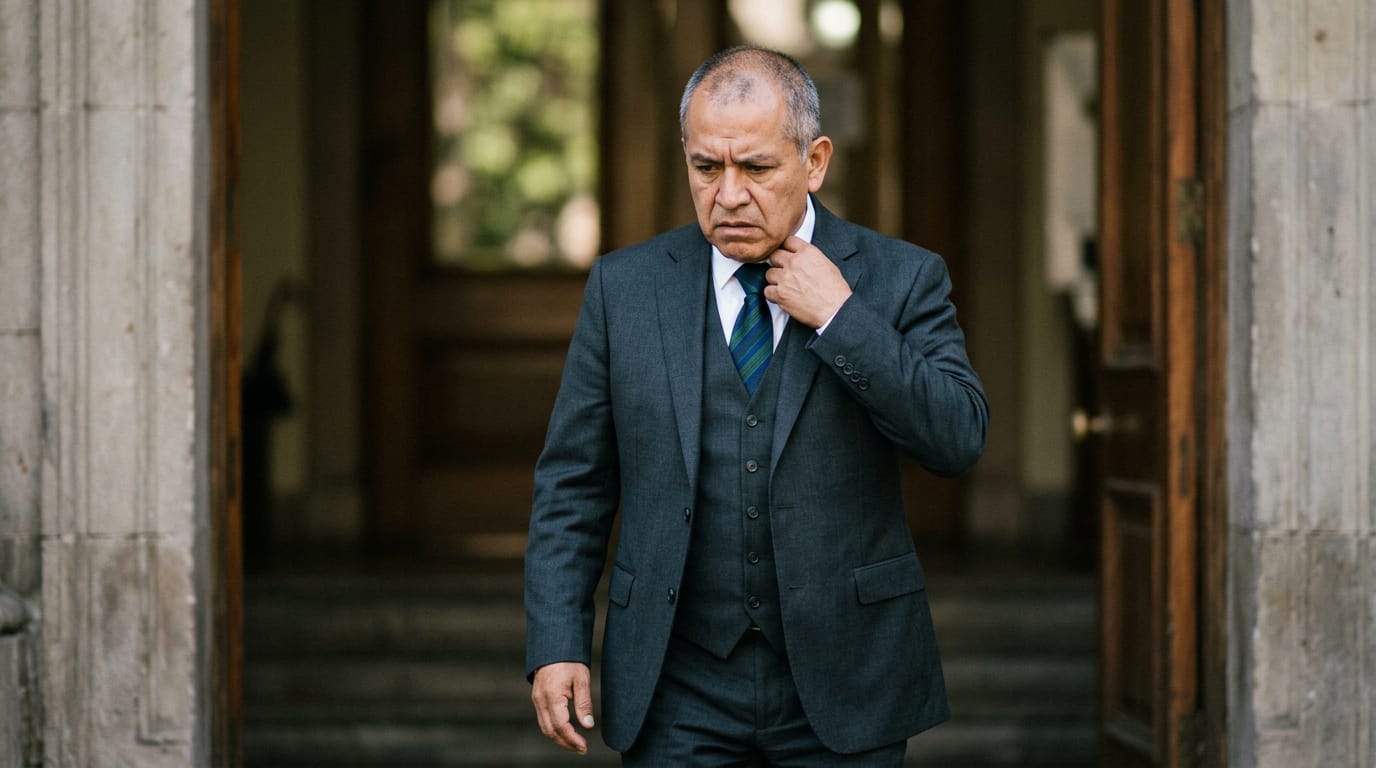
MEXICO CITY – Rubén Rocha Moya, the embattled governor of Mexico's Sinaloa state, has announced a second indefinite leave of absence, just one day after controversially returning to office despite facing U.S. drug trafficking charges. His abrupt decision on Saturday, August 22, 2026, followed intense criticism from within Mexico's political establishment, including an implicit rebuke from President Claudia Sheinbaum. The move underscores the complex and often contentious intersection of U.S. anti-drug efforts and Mexican sovereignty, particularly when allegations of cartel ties reach the highest levels of government.
Unprecedented U.S. Indictment Rocks Mexican Politics
Governor Rocha Moya's legal troubles began on April 29, 2026, when the U.S. Department of Justice unsealed an indictment from the Southern District of New York. The charges accused Rocha Moya, along with nine other current and former Mexican officials, of conspiring with the notorious Sinaloa Cartel. The indictment alleges that these officials facilitated drug trafficking into the United States in exchange for bribes and political support, also citing related weapons offenses. This marked a historic moment, as it was the first time U.S. prosecutors had indicted a sitting Mexican governor.
In response to the charges, Rocha Moya initially announced a temporary leave of absence on May 1, 2026, stating his intention to defend himself against what he called "false and malicious" allegations. During this period, he indicated he would cooperate with the Mexican Attorney General's Office (FGR), which launched its own investigation into the U.S. indictment's validity. The governor maintained his innocence, portraying the U.S. case as politically motivated.
A Brief Return and Swift Reversal
After a 112-day hiatus, Governor Rocha Moya surprised many by returning to his gubernatorial duties on Friday, August 21, 2026. He asserted that the FGR's investigation had exonerated him, claiming that Mexican authorities found no evidence to support the U.S. allegations. In a public statement, Rocha Moya denounced the charges as being "driven by political and interventionist motivations from the national and foreign ultra-right." He declared his return with "the strength of truth on our side," vowing to defend his honor.
However, his defiant return was met with immediate and strong backlash from within Mexico. President Claudia Sheinbaum, though not naming Rocha Moya directly, issued a pointed statement on X (formerly Twitter), warning that "power without principles becomes arrogance" and that "no personal interest can ever be above those of the people or the Nation." Other leaders within the ruling Morena party, to which Rocha Moya belongs, also criticized his decision to reclaim office, accusing him of prioritizing personal interests over those of the public. Facing this mounting political pressure, Rocha Moya reversed course a day later, submitting a request to the Sinaloa state congress for another "temporary leave of absence of indefinite duration, exceeding 30 days."
Broader Context of Corruption and Cartel Influence
The charges against Governor Rocha Moya are not isolated incidents but reflect a persistent challenge in U.S.-Mexico relations: alleged corruption within Mexican political ranks and its connection to powerful drug cartels. The U.S. has intensified its efforts to prosecute foreign officials believed to be complicit in drug trafficking, a stance publicly reiterated by the Trump administration during its second term (2025-2026). U.S. authorities have labeled criminal organizations like the Sinaloa Cartel as "foreign terrorist organizations" in their broader crackdowns on transnational crime.
Historically, several Mexican governors have faced U.S. legal action for similar offenses. Tomás Yarrington Ruvalcaba, a former governor of Tamaulipas, pleaded guilty in 2021 to money laundering charges in a Texas court, admitting to accepting over $3.5 million in bribes from drug trafficking organizations, including the Gulf Cartel, in exchange for allowing them to operate freely. He was sentenced to nine years in prison in 2023. Another former Tamaulipas governor, Francisco García Cabeza de Vaca, has also been accused by Mexican federal authorities and the U.S. of links to organized crime, money laundering, and tax evasion, with allegations dating back to his time as mayor. These cases underscore the systemic nature of corruption and cartel penetration into governance in certain regions of Mexico.
Strained Bilateral Relations and Sovereignty Issues
The U.S. indictment of Governor Rocha Moya has further strained diplomatic relations between Washington and Mexico City. Mexican President Sheinbaum has consistently rejected U.S. demands for Rocha Moya's extradition, arguing that U.S. authorities have not provided sufficient proof of wrongdoing to merit his arrest or extradition. This stance highlights Mexico's assertion of sovereignty and its internal legal processes. The Mexican Attorney General's Office, after its own investigation, has publicly stated that it found no "shred of evidence" to support the U.S. claims, further complicating the international legal dispute.
The case of Rocha Moya is a significant test for both nations, exposing the friction between the U.S.'s extraterritorial application of its drug laws and Mexico's sovereign right to handle its internal affairs. The political fallout from Rocha Moya's brief return and subsequent second leave also reveals internal divisions within Mexico's ruling party, raising questions about accountability for public officials and the integrity of governmental institutions. The ongoing saga continues to draw international attention to the formidable challenges of combating organized crime and corruption along the U.S.-Mexico border.