Smaller German Cities Emerge as Leaders in National Happiness Rankings
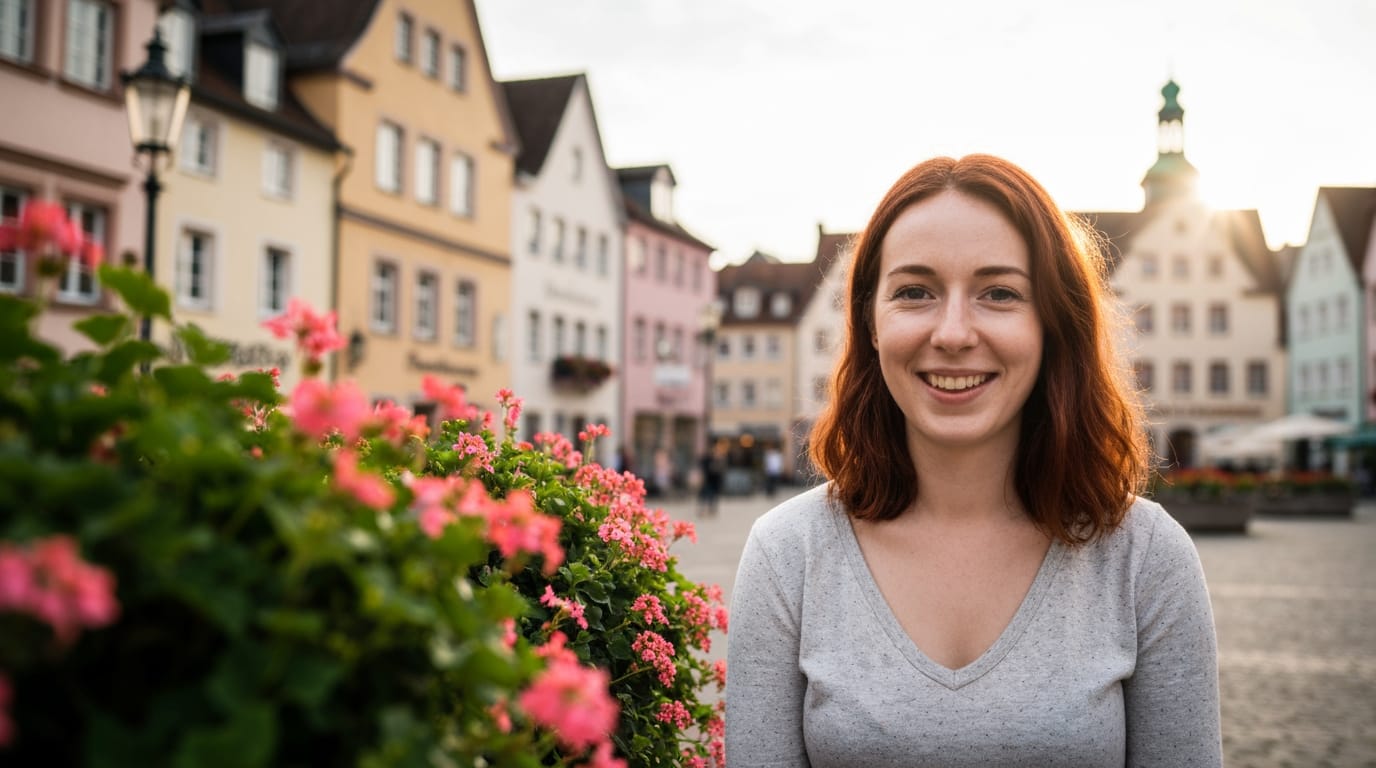
A new wave of research is reshaping the understanding of well-being in Germany, revealing that smaller and mid-sized urban centers are increasingly outranking their larger metropolitan counterparts in citizen happiness and overall life satisfaction. This trend challenges conventional notions that larger cities, with their abundant economic opportunities and cultural offerings, inherently provide a better quality of life. Recent studies, including the prominent SKL Glücksatlas, point to a surprising shift where factors like community cohesion, green spaces, and efficient public services in less densely populated areas are contributing to a more profound sense of contentment among residents.
The Shifting Landscape of German Urban Contentment
For years, major German cities like Munich, Hamburg, and Berlin have consistently appeared at the top of international quality of life indices, lauded for their robust economies, cultural vibrancy, and excellent infrastructure. However, a deeper dive into recent happiness studies, particularly the SKL Glücksatlas, indicates a different reality for the everyday satisfaction of their inhabitants. In 2025, the North Hessian city of Kassel, with a population considerably smaller than the major hubs, notably claimed the top spot as Germany's happiest city, a position it also held in the previous year's ranking. Residents in Kassel reported an average life satisfaction score of 7.44 out of 10, with 56 percent expressing high satisfaction. This contrasts with larger cities where, despite objective advantages, reported happiness often lags. For instance, Munich, a frequent high-achiever in quality of life metrics, ranked 27th in life satisfaction in one survey, while Berlin placed 37th out of 40 cities.
This emerging pattern suggests a "big-city paradox," where the perceived benefits of urban wealth in metropolises are often counterbalanced by high rents, traffic congestion, noise pollution, and a weakening of social ties. Studies show that in cities with fewer than 400,000 inhabitants, the average happiness score sits higher, at 7.01, compared to a lower 6.90 in cities with over a million residents. The consistent outperformance of cities like Kassel, Krefeld, and Aachen in happiness metrics, often despite lower economic indicators, highlights the significance of less tangible factors in fostering resident well-being.
Unpacking the Drivers of Small-City Happiness
The factors contributing to the elevated happiness levels in smaller German cities are multifaceted, extending beyond mere economic prosperity. Research from the SKL Glücksatlas emphasizes that family-friendliness, accessibility, safety, and abundant green spaces are crucial for resident satisfaction. Kassel, for example, is lauded for its youthful population, strong healthcare network, and extensive green areas. Even cities with higher unemployment rates and lower average incomes, such as Krefeld and Duisburg, have demonstrated strong social cohesion and quality of life, allowing their residents to report comparable levels of satisfaction.
Furthermore, strong community ties and reduced anonymity are frequently cited as key elements. In smaller settings, residents often experience a stronger sense of belonging and social support, which can significantly enhance overall contentment. Efficient and accessible public services also play a vital role. While larger cities often grapple with issues like strained public transport and administrative bottlenecks, smaller cities frequently offer a more streamlined experience, contributing to less daily stress for their inhabitants. A 2008 study found that residents of shrinking cities were even more satisfied with the supply of goods and services and local access to public transport compared to those in growing cities.
Beyond social and environmental factors, a balanced work-life environment is a cornerstone of German happiness. Germany, as a nation, emphasizes generous vacation time and a culture that values personal time, allowing individuals to pursue hobbies, spend time with family, and recharge. This cultural emphasis, coupled with job stability and fair wages, is particularly impactful in creating contented populations. Smaller cities often excel in providing this balance, removing the intense pressures associated with hyper-competitive, fast-paced metropolitan environments.
Economic and Social Repercussions of the Trend
The sustained happiness advantage in smaller cities carries significant implications for regional development and urban planning throughout Germany. While larger cities continue to be magnets for career prospects and cultural life, the burgeoning contentment in smaller urban centers might lead to a re-evaluation of migration patterns and investment priorities. Experts are beginning to discuss whether the pronounced trend towards urban living may be slowing, at least temporarily, especially with the rise of flexible working models such as remote work. This could make proximity to a workplace less of a deciding factor for many.
The high cost of living, particularly housing, in major cities remains a significant deterrent to overall satisfaction, despite higher salaries. Munich, for instance, frequently faces criticism for its high living expenses, which can erode the financial benefits of higher wages. The German government has implemented programs, such as extending rent caps and allocating funds for social housing, to address the housing crisis in urban areas. However, these measures underscore the systemic challenges faced by larger cities in maintaining affordability and, consequently, resident happiness.
Conversely, the success of smaller cities like Ulm, Ingolstadt, and Erlangen in the Prognos City Ranking for livability and future-readiness, which considers factors beyond just happiness, demonstrates their robust development across various areas of life, from digitalization and innovation to work opportunities and ecology. This indicates that these cities are not merely serene havens but also dynamic, forward-looking communities capable of attracting talent and fostering sustainable growth.
A New Vision for German Urban Living
The growing recognition of smaller cities as beacons of happiness marks a crucial shift in Germany's urban narrative. It underscores that while economic might and global connectivity are important, a true measure of urban success also lies in the subjective well-being of its residents. The findings encourage a holistic approach to urban development, prioritizing community, green infrastructure, and accessible public services alongside economic growth.
As Germany navigates future demographic and economic shifts, the lessons learned from its happiest smaller cities will be invaluable. The emphasis on balanced development, strong social ties, and a high quality of daily life offers a blueprint for creating urban environments where residents not only thrive economically but also find genuine satisfaction and contentment. The quiet contentment found in places like Kassel suggests that the future of German urban appeal may lie not in sheer size or wealth, but in the cultivation of truly livable, joyful communities.


