Solar Panel Cyberattacks: A Looming Threat to the Power Grid
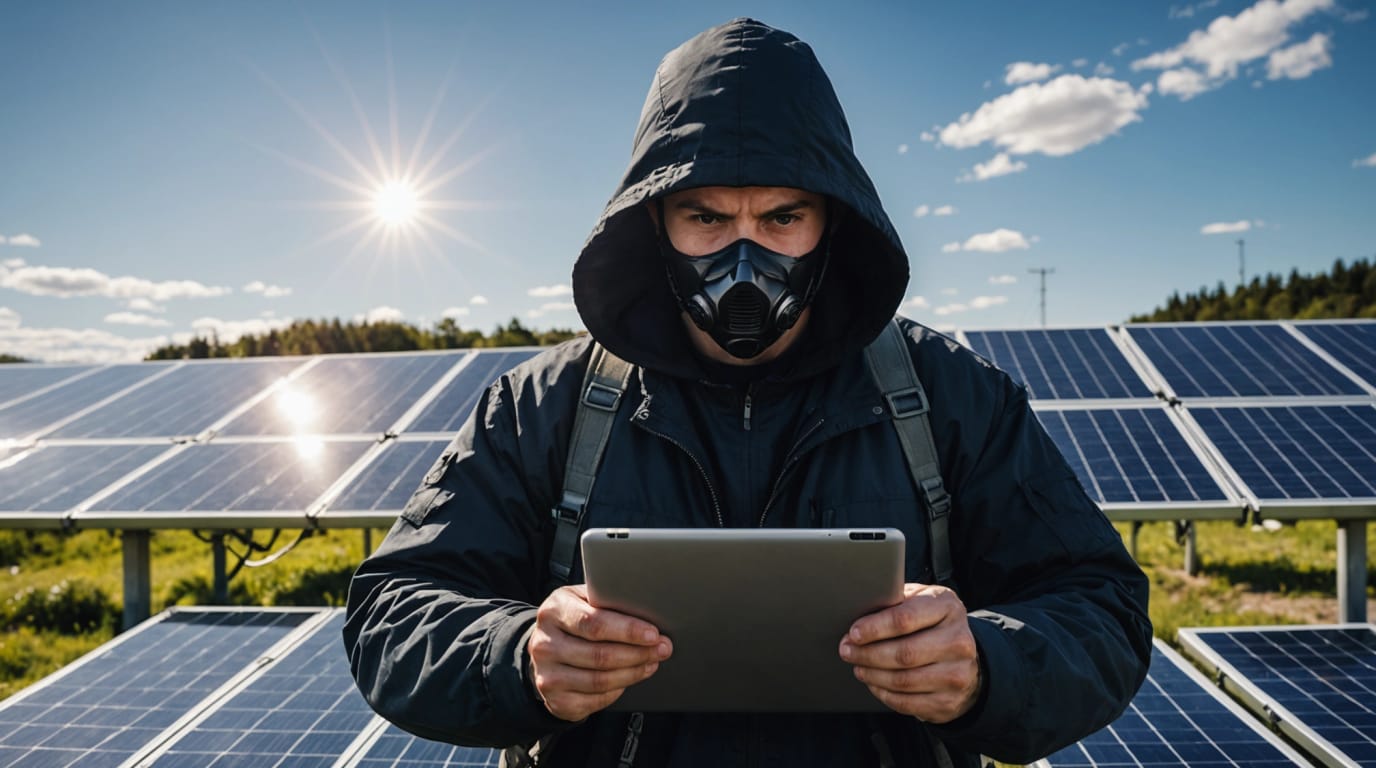
The increasing reliance on solar energy, while vital for a sustainable future, presents a growing cybersecurity risk. Experts warn that vulnerabilities in solar panel systems could allow hackers to disrupt power grids, potentially causing widespread blackouts and destabilizing energy infrastructure. As solar energy adoption continues to surge, the need to address these security concerns becomes ever more critical.
The Weak Link: Inverters and System Management Platforms
The primary point of vulnerability in solar energy systems lies within inverters. These devices convert the direct current (DC) electricity generated by solar panels into alternating current (AC) electricity, which is usable by the power grid and homes. Many modern inverters are Internet of Things (IoT) devices, connected to the internet for remote monitoring and control. This connectivity, while offering convenience and efficiency, also creates opportunities for cyberattacks.
Cybersecurity researchers have demonstrated how hackers can exploit weaknesses in inverter software to manipulate data, embed malicious code, and even take complete control of the device. A successful attack on an inverter could allow hackers to reduce power output, overload batteries in solar-plus-storage systems, or inject false data into the grid management system.
Furthermore, vulnerabilities exist within the system management platforms used to oversee large-scale solar installations. These platforms, often provided by third-party vendors, can have weak firewalls or outdated software, providing an entry point for malicious actors. In one instance, a cybersecurity consultant bypassed firewalls in solar panels around the world using only a laptop and a cellphone, gaining access to more power than runs through Germany's entire system.
Potential Impacts: From Local Outages to Grid Instability
The consequences of a successful solar panel cyberattack can range from localized disruptions to widespread grid instability. If hackers gain control of a single residential solar system, they could reduce the homeowner's power output or damage their battery storage system. However, the real danger lies in the potential for coordinated attacks on multiple systems.
By simultaneously manipulating a large number of solar inverters, hackers could create significant fluctuations in the power supply, exceeding the grid's capacity to maintain balance. This could lead to cascading failures, causing blackouts across entire regions.
The increasing number of connection points to the grid due to the exponential growth of rooftop solar systems exacerbates this vulnerability. Each new solar installation represents a potential entry point for hackers, expanding the attack surface and making it more difficult to secure the grid.
Who is at Risk?
While residential solar systems are vulnerable, experts believe that utility-scale power plants are more attractive targets for hackers seeking to cause widespread disruption. Attacking a centralized generator at a large plant is far more efficient than targeting individual rooftop systems.
However, smaller PV systems and other distributed energy resources (DERs) often lack cybersecurity standards, making them vulnerable entry points into the grid. These systems are frequently connected to the internet for monitoring and control purposes, creating exploitable vulnerabilities.
The energy sector as a whole is increasingly at risk. Domestic utilities experienced a 70% surge in cyberattacks in 2024. This increase highlights the urgent need for improved cybersecurity measures across the entire energy infrastructure.
Defending the Grid: Security Measures and Best Practices
Addressing the cybersecurity risks associated with solar energy requires a multi-faceted approach, including:
- Strengthening Inverter Security: Manufacturers must prioritize security when designing and developing inverters. This includes implementing robust authentication mechanisms, regularly updating software to patch vulnerabilities, and employing encryption to protect data in transit.
- Securing System Management Platforms: Operators of solar installations should ensure that their system management platforms have strong firewalls, up-to-date software, and secure communication channels. Regular security audits and penetration testing can help identify and address vulnerabilities.
- Implementing Cybersecurity Standards: Establishing clear cybersecurity standards for DERs, including smaller PV systems, is crucial. These standards should outline minimum security requirements for hardware, software, and network connectivity.
- Promoting Awareness and Training: Solar system owners and operators need to be aware of the cybersecurity risks and best practices for risk management. Training programs can help them identify and respond to potential threats.
- Defense-in-Depth Strategy: Utilities and solar system owners should adopt a dynamic survival strategy based on defense-in-depth measures. This involves creating diverse layers of security that cover everything from individual components to entire systems, including anti-virus software in DER systems.
- Intrusion Detection Software: Implementing intrusion-detection software that alerts grid operators to abnormal behavior can help mitigate attempted attacks.
- Physical Security: Measures such as fencing, video surveillance, and component-level security can deter theft and vandalism, which can also compromise system security.
The Path Forward: Vigilance and Collaboration
The threat of solar panel cyberattacks is real and growing. As the world transitions to a cleaner energy future, it is essential to address the cybersecurity challenges associated with renewable energy sources. By implementing robust security measures, promoting awareness, and fostering collaboration between industry stakeholders and government agencies, it is possible to secure the grid and ensure a reliable and resilient energy supply. The Department of Energy (DOE) is actively increasing research to enhance the security of inverters and other grid components.
Ignoring these risks could have severe consequences, potentially undermining the stability of the power grid and jeopardizing the energy security of nations. Vigilance and proactive measures are essential to stay ahead of evolving cyber threats and protect this critical infrastructure.