Somalia Embarks on New Democratic Era as Mogadishu Holds Historic Direct Elections
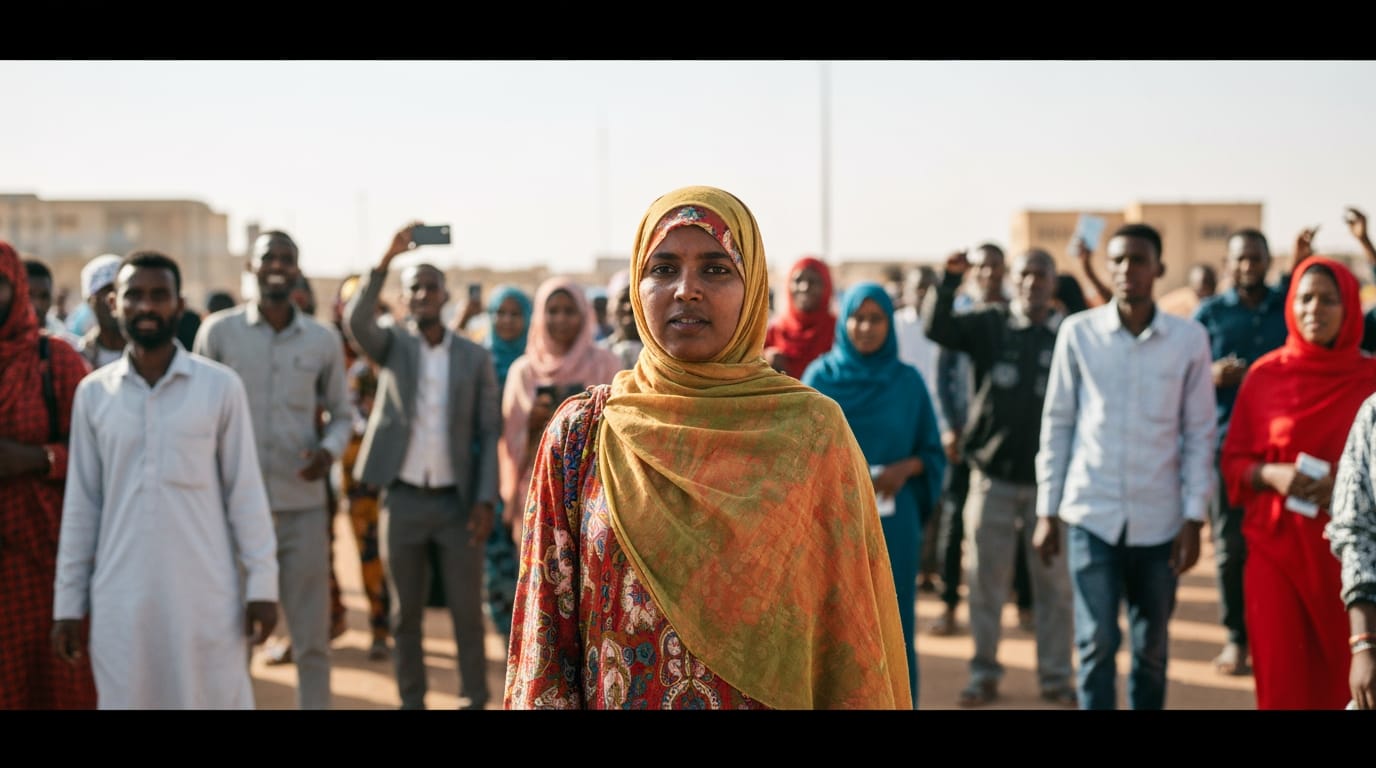
MOGADISHU, Somalia – In a landmark moment for a nation long grappling with instability and indirect governance, residents of Somalia's capital, Mogadishu, are casting their ballots today in the first one-person, one-vote municipal elections held in nearly six decades. The vote marks a significant departure from the clan-based power-sharing arrangements that have defined Somali politics for generations, signaling a cautious but determined step towards universal suffrage and a more inclusive democratic future for the East African country.
Today's municipal elections across Mogadishu's 16 districts represent the most tangible effort yet to re-establish direct democracy in Somalia since 1969, when the nation last experienced widespread direct polls before a military coup plunged it into decades of authoritarian rule and civil conflict. Approximately 400,000 registered voters are expected to participate, choosing from some 1,605 candidates vying for 390 local council positions. This pivotal exercise is being closely watched as a critical "test run" for direct national elections anticipated in the coming years, potentially reshaping the relationship between citizens and their leaders.
A Return to the Ballot Box After Decades
For generations of Somalis, the concept of directly electing their representatives has been a distant memory. Following the collapse of the central government in 1991 and the ensuing civil war, Somalia adopted an indirect electoral system designed to foster consensus among rival clans. This complex model involved clan elders and appointed delegates selecting lawmakers, who in turn chose the president. While initially seen as a necessary mechanism for power-sharing and stability in a fractured nation, this system increasingly drew criticism for its susceptibility to corruption, limited public participation, and its tendency to concentrate power within a narrow elite.
The last time Somalis participated in widespread direct elections was in 1969, months before a military coup led by Mohamed Siad Barre brought an end to the nascent democratic experiment. Since then, promises to reintroduce one-person, one-vote elections have been made by successive administrations but consistently delayed by insecurity and political disagreements. The current move towards universal suffrage was spurred by a 2024 law restoring this right, followed by a series of agreements and legislative actions aimed at transitioning away from the indirect system.
Navigating Security Risks and Political Divisions
The road to today's vote has been fraught with significant challenges, most notably the persistent threat posed by the Al-Qaeda-linked Al-Shabaab militant group, which continues to carry out attacks in the capital and controls vast areas of the countryside. In response, authorities have implemented stringent security measures for the elections. More than 10,000 security personnel have been deployed across Mogadishu, with a complete citywide lockdown in effect. All movement within the city is restricted, and voters are being transported to polling stations by bus to ensure their safety. Electoral Commission Chairman Abdikarin Ahmed Hassan emphasized the gravity of the moment, stating that "the whole country will be shut down," but underlined the significance, adding, "It is a great moment for the Somali people to see elections for the first nearly sixty years."
Beyond security concerns, the transition to direct elections has also ignited political tensions and divisions. Several key opposition parties are boycotting the Mogadishu vote, labeling it "flawed and one-sided." Critics argue that the rapid introduction of this new electoral system could unfairly benefit President Hassan Sheikh Mohamud's re-election prospects and question the feasibility of mass voting in a country still battling a pervasive insurgency. Leaders from some federal member states, including Puntland and Jubaland, have also expressed reservations or outright opposed aspects of the federal government's electoral roadmap, highlighting ongoing disagreements over constitutional reforms and power distribution.
The Promise of Greater Accountability and Inclusivity
Despite the hurdles, proponents view the return to universal suffrage as an indispensable step toward building a more stable, accountable, and legitimate government in Somalia. Direct elections are expected to empower ordinary citizens, including women and youth who were largely marginalized under the clan-based system, by giving them a direct voice in choosing their leaders. This direct link between the electorate and their representatives is anticipated to foster greater transparency, reduce opportunities for corruption, and enhance public trust in government institutions.
The shift is also seen as a catalyst for strengthening Somalia's nascent democratic institutions and promoting national unity by transcending entrenched clan affiliations. "It shows Somalia is standing on its feet and moving forward," remarked Abdishakur Abib Hayir, a member of the National Electoral Commission, underscoring the symbolic importance of today's vote for national progress. International partners, who have long supported Somalia's peace and state-building efforts, are closely monitoring the process, recognizing its potential to usher in an era of improved governance and political stability.
The Road Ahead: Federal Elections and Enduring Aspirations
The municipal elections in Mogadishu are just the initial phase of a broader electoral transformation. The current plan envisions lawmakers being directly elected in 2026. However, debates continue regarding the presidential election, with a deal reached in August stipulating that while lawmakers would be directly elected, the president might still be chosen by parliament. This ongoing discussion underscores the complexities of fully implementing universal suffrage across all levels of government in a federal system.
The success of today's vote in Mogadishu will be crucial in building momentum and confidence for these subsequent, larger-scale electoral endeavors. It will offer invaluable lessons on logistical planning, voter education, and security management in a challenging environment. As Somalia steps into this new democratic chapter, the commitment to transparency, political inclusivity, and overcoming lingering security threats will determine whether the promise of one-person, one-vote can truly flourish and lead to a more peaceful and prosperous future for all Somalis.


