South Africa Under Siege: Deadly Floods Force Kruger Evacuations as More Rain Looms
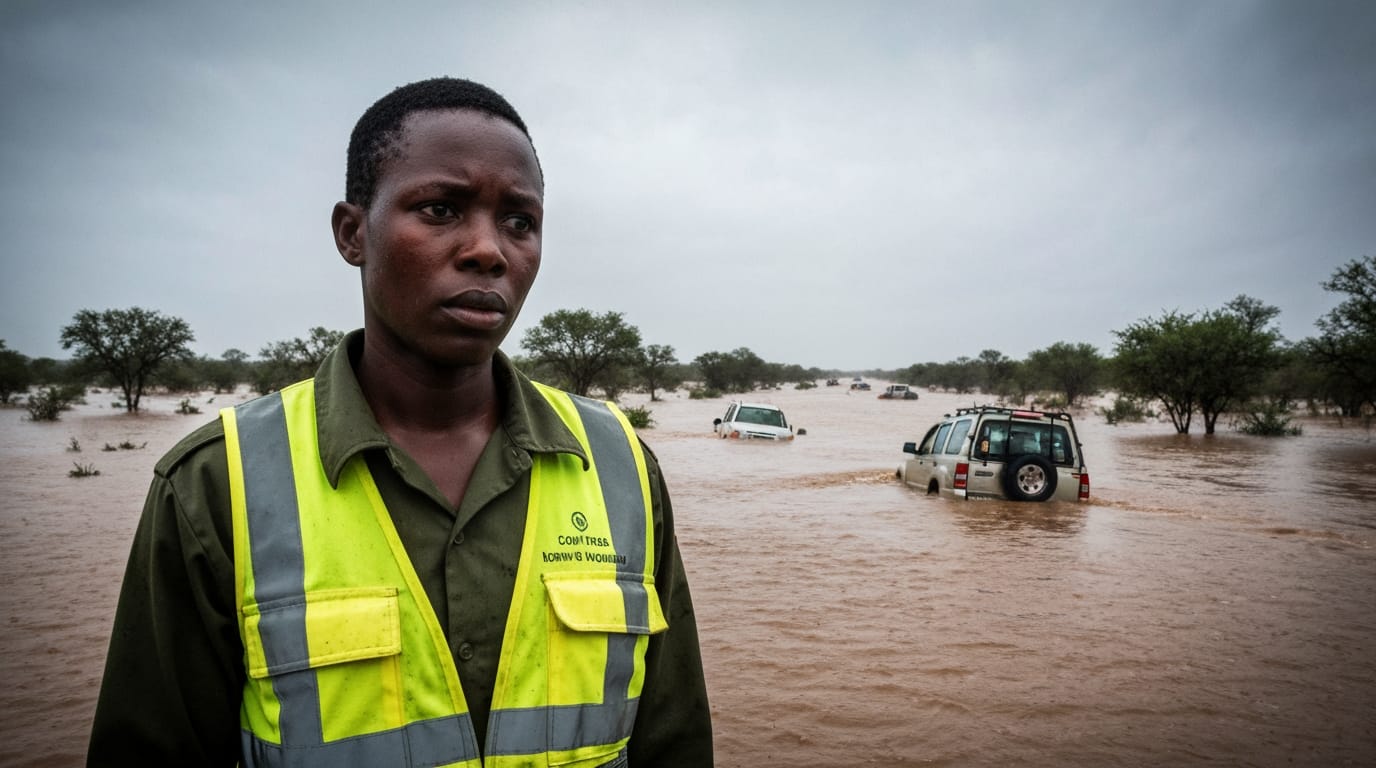
Skukuza, South Africa – Unprecedented torrential downpours have unleashed widespread devastation across South Africa, particularly in the northeastern provinces of Limpopo and Mpumalanga, leading to deadly flooding and forcing the mass evacuation of parts of the iconic Kruger National Park. With more heavy rainfall forecast, emergency services are grappling with a rapidly escalating crisis that has disrupted lives, imperiled wildlife, and strained infrastructure across the region.
For over a week, relentless rains have battered the area, saturating soils and causing major rivers such as the Sabie, Crocodile, Letaba, and Olifants to surge to dangerous levels. The South African Weather Service (SAWS) has issued a Red Level 10 impact-based warning, the highest alert, indicating a critically high risk of widespread flooding. The severity of the situation is underscored by reports of a four-year-old child's death in Limpopo and numerous daring helicopter rescues of stranded residents. As water continues to inundate communities and natural reserves, the nation braces for an extended period of extreme weather, raising profound concerns for both human safety and ecological stability.
Kruger National Park: A Battle Against the Deluge
The famed Kruger National Park, a cornerstone of South Africa's tourism industry and a global conservation jewel, finds itself at the epicenter of the crisis. To safeguard visitors and staff, South African National Parks (SANParks) initiated large-scale evacuations from several low-lying camps deemed vulnerable to the rising waters. Shingwedzi, Sirheni, Bateleur, and Letaba camps have been fully evacuated, with guests from Balule and Pafuri offered the option to depart. Roads and key access points, including Crocodile Bridge, Pafuri, and Giriyondo border posts, have been closed indefinitely as they are either submerged or impassable. The park has also suspended day visitor access to prioritize emergency operations and ensure the safety of those remaining.
The decision to evacuate was a proactive measure following sustained rainfall that has transformed sections of the park into vast waterways, making traditional dirt roads impassable and threatening infrastructure. Tour operators in adjacent private reserves, like Timbavati, reported over 300mm of rainfall in Hoedspruit, a key gateway town, leading to helicopter evacuations of guests and staff from lodges. While challenging for tourists, whose "dream safaris" have been cancelled, Minister of Tourism Patricia de Lille commended SANParks for its swift and professional response, emphasizing that established emergency protocols ensured no loss of life within the park due to the evacuations. However, the economic fallout for the tourism sector, a vital source of local employment, is expected to be substantial, with small businesses around park entrances already feeling the pinch during what is typically a peak season.
Widespread Havoc Beyond Park Borders
The impact of the relentless rainfall extends far beyond the boundaries of Kruger National Park, engulfing entire communities in the Limpopo and Mpumalanga provinces. Reports from the South African Weather Service indicate that many districts in these regions have received double their average rainfall since October, leading to critically saturated ground and overwhelmed catchments. This has triggered widespread infrastructure damage, with roads washed away, bridges submerged, and agricultural lands deluged.
The Limpopo Provincial Government has deployed multi-disciplinary rescue teams to assist affected areas in Vhembe, Mopani, Sekhukhune, Waterberg, and Capricorn Districts. These teams are working to restore connectivity, clear debris, and provide support to residents, many of whom have been displaced or cut off by the rising floodwaters. The South African National Defence Force (SANDF) has joined relief efforts, deploying helicopters to conduct urgent rescue operations, including airlifting a local chief from his home's roof and rescuing 18 individuals from a flooded lodge. Communities in low-lying areas have been urged to move to higher ground and avoid crossing flooded roads or bridges, as floodwaters can be deceptively powerful. The scale of the humanitarian challenge is immense, with immediate efforts focused on ensuring safety and providing essential aid to those impacted by the disaster.
Ecological Ripple Effects and Wildlife Resilience
While human safety remains the immediate priority, the extensive flooding presents significant challenges for Kruger's renowned wildlife and its delicate ecosystem. Rising water levels inevitably alter landscapes, forcing animals to adapt to rapidly changing conditions. Terrestrial species like elephants and buffalo are increasingly observed seeking refuge on higher, drier ridges, while aquatic species such as hippos and crocodiles are reportedly thriving in the deeper, expanded waterways.
Conservation teams are closely monitoring the situation, prepared to intervene if animals are found in distress. Historically, animals in Kruger have demonstrated remarkable resilience, instinctively moving to higher ground ahead of severe weather events. However, prolonged flooding can disrupt natural migration patterns, submerge crucial feeding grounds, and potentially lead to increased human-wildlife conflict as animals venture into unusual areas in search of safety and resources. The floods also play a role in reshaping the park's physical environment, eroding sediment, redistributing nutrients, and influencing vegetation patterns along river systems, a dynamic process that contributes to the region's rich biodiversity. The long-term ecological consequences of such a significant flood event will require continued observation and management.
Climate Change: A Looming Shadow
This current episode of extreme weather in South Africa is not an isolated incident but rather fits into a broader pattern of increasingly erratic and intense weather phenomena attributed to climate change. Scientific evidence suggests that climate change is leading to increased temperatures and greater rainfall variability across the country, making extreme rainfall events and subsequent floods more frequent and severe. A 2022 study on similar devastating floods in KwaZulu-Natal indicated that climate change had doubled the likelihood of such an event, making it 4-8% more intense.
South Africa, a significant contributor to global CO2 emissions largely due to its reliance on coal, faces a critical challenge in adapting to these changing climatic conditions. The country's rainfall patterns have become more unpredictable, swinging between severe droughts and unprecedented flooding, impacting water resources, agriculture, and increasing food insecurity. The current disaster serves as a stark reminder of the urgent need for robust climate adaptation strategies and a global shift towards sustainable practices to mitigate the escalating risks of such extreme weather events.
A Region on High Alert
As the heavy rains persist and floodwaters continue to rise, the immediate forecast offers little reprieve. The South African Weather Service predicts ongoing rainfall and thunderstorms in the affected provinces, particularly Limpopo and Mpumalanga, until at least Monday, January 19, 2026. This prolonged wet spell means saturated areas will receive further inundation, exacerbating the already critical situation.
The regional implications are also significant. Neighboring Mozambique, already one of the world's most climate-vulnerable countries, is on high alert as major river basins, including the Maputo, Limpopo, and Incomati, reach flood alert levels. With dams in South Africa, Eswatini, and Zimbabwe almost at full capacity, controlled water discharges upstream are increasing the risk of flooding downstream in Mozambique, impacting agricultural areas and potentially displacing large populations. Authorities in both countries are coordinating closely, but the interconnectedness of the river systems means that conditions in South Africa directly influence the flood risk in its eastern neighbor.
The coming days will be crucial as emergency services continue their tireless efforts to rescue those in danger and manage the unfolding disaster. The extensive flooding in South Africa, particularly the dramatic evacuations from Kruger National Park, highlights the vulnerability of both human communities and natural landscapes to the intensifying impacts of a changing climate. The road to recovery will be long, demanding sustained effort and resources to rebuild infrastructure, support displaced populations, and strengthen resilience against future extreme weather events.


