South Africa's Enduring Scars: A Timeline of Recurring Xenophobic Violence
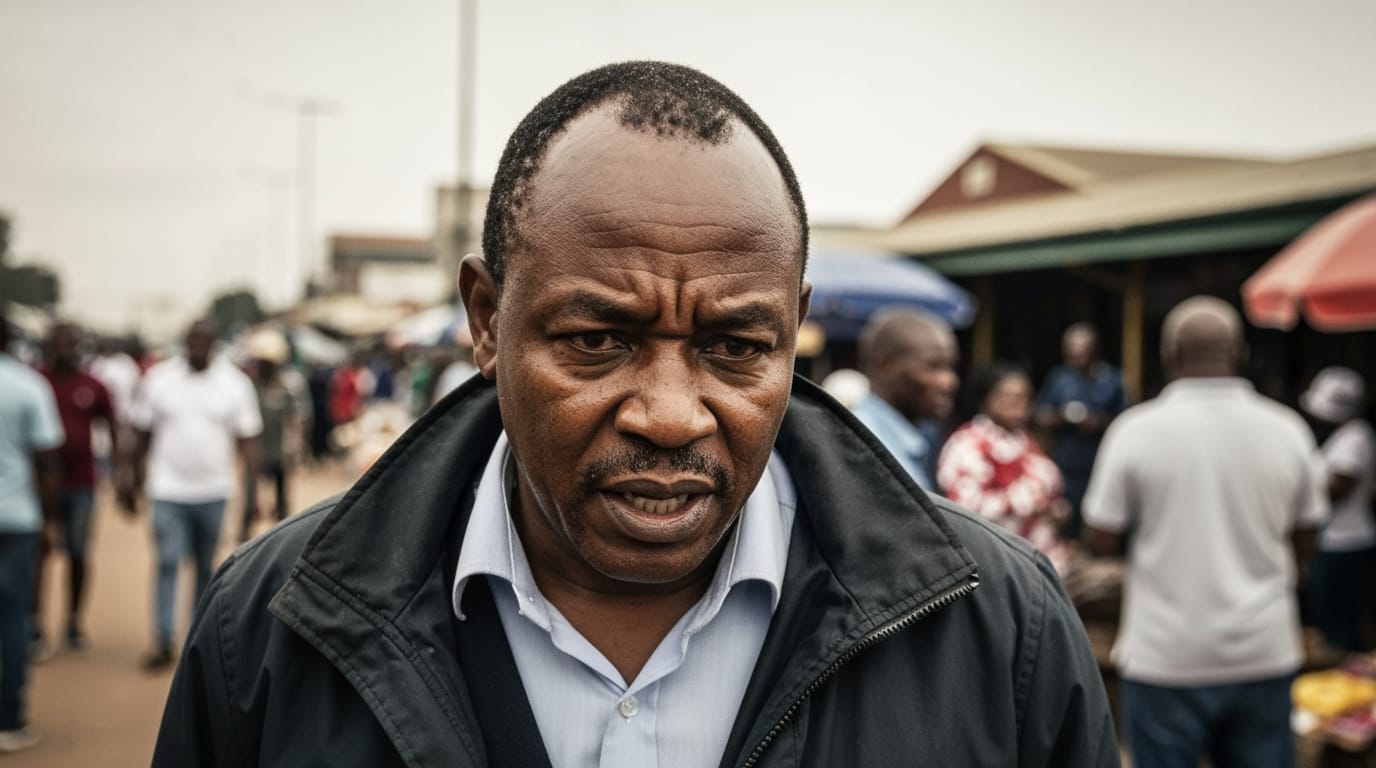
South Africa, a nation celebrated for its democratic transition and "rainbow nation" ethos, continues to grapple with a dark and recurring phenomenon: waves of xenophobic violence targeting foreign nationals. Decades after the end of apartheid, the dream of a unified society is repeatedly fractured by hostility and aggression towards those perceived as "outsiders," leading to significant loss of life, displacement, and profound socio-economic destabilization. These periodic outbreaks, fueled by a complex interplay of historical legacies, economic pressures, and often inflammatory rhetoric, have become an entrenched, tragic feature of the post-apartheid landscape, drawing international condemnation and challenging the nation's foundational values.
The Troubled Dawn of Democracy: Early Signs of Exclusion
The roots of xenophobic sentiment in democratic South Africa can be traced back to the immediate post-apartheid era. Even as the nation embraced freedom in 1994, surveys indicated a significant portion of South Africans favored strict limitations or outright bans on foreign entry, revealing an underlying unease with migration. Early incidents, though less widespread than later crises, served as ominous precursors. In December 1994 and January 1995, youth gangs in Alexandra Township, Johannesburg, reportedly destroyed the homes of suspected undocumented migrants and marched them to police stations, demanding their removal. By 1998, three foreign nationals were tragically thrown from a moving train in Johannesburg by a group returning from a rally that blamed foreigners for unemployment, crime, and even the spread of AIDS. The year 2000 saw seven xenophobic killings on the Cape Flats over five weeks, with police suggesting fears that outsiders would claim local property as a possible motive. These initial episodes highlighted a nascent but potent anti-foreigner sentiment, often directed at those from other African countries.
The 2008 Cataclysm: A National Crisis Unfolds
The sporadic incidents of the late 1990s and early 2000s escalated into a national catastrophe in May 2008, marking a turning point in the recognition of South Africa's xenophobia problem. The violence erupted in Alexandra, Johannesburg, before rapidly spreading to other townships in Gauteng province and eventually to urban centers across the country, including Durban, Cape Town, and Limpopo. This widespread unrest resulted in at least 62 fatalities, an estimated 1,700 injuries, and the displacement of some 100,000 people. The attacks were characterized by brutal assaults, including gruesome murders where victims were sometimes set alight, mass displacement, and the systematic looting and destruction of foreign-owned shops and businesses. Images from this period, including the widely circulated photograph of Ernesto Nhamuave, a Mozambican man beaten and burned to death, brought the plight of foreign nationals to global attention and forced authorities to acknowledge the orchestrated nature of the violence driven by xenophobic views. The government's initial response was criticized for its delay and lack of coordination, with civil society organizations often stepping in to provide essential aid to the displaced.
Resurgent Hostility: Waves in 2015 and 2019
Despite the shock of 2008, xenophobic violence did not cease; rather, it continued to simmer and periodically flared up. April 2015 witnessed another significant surge in attacks, initially in Durban and then spreading to Johannesburg. This wave was reportedly triggered by comments made by Zulu King Goodwill Zwelithini, who suggested that foreigners should "go back to their home countries" because they were "changing the nature of South African society". The violence involved mobs looting foreign-owned shops and attacking immigrants, forcing hundreds to seek refuge in police stations. The tragic murder of Emmanuel Sithole in Alexandra, captured on camera, once again underscored the brutal reality of these attacks.
Further significant outbreaks occurred in March and September 2019. In March, Durban saw riots targeting African immigrants, with businesses owned by foreign nationals attacked and looted, leading to three deaths and dozens seeking shelter. The September 2019 riots in Johannesburg and Pretoria also targeted foreign nationals, particularly those from other African countries, resulting in further deaths, injuries, and property destruction. These incidents highlighted the persistent nature of the problem, demonstrating that the underlying tensions remained unresolved.
Deep-Seated Causes: A Confluence of Factors
The recurring waves of xenophobic violence are not random acts but stem from a complex web of deep-seated socio-economic, historical, and political factors. Foremost among these are South Africa's staggering levels of inequality, high unemployment (particularly among youth), and pervasive poverty. Many South Africans, especially in marginalized communities, perceive foreign nationals as direct competitors for scarce jobs, housing, and economic opportunities. This perception is often amplified by narratives, sometimes politicized, linking immigrants to crime and illicit economic activities, despite a lack of factual evidence to substantiate these claims as a nationwide trend.
The legacy of apartheid also plays a crucial role. The system's inherent violence and exclusionary policies fostered a culture where violence was often used to demarcate insiders from outsiders and solve conflicts. Post-apartheid, the concept of citizenship has, at times, been reduced to indigeneity, leading to an "othering" of non-nationals. Governance deficits, including inconsistent enforcement of immigration laws, poor regulation of informal business sectors, and ineffective policing, create an environment where resentment festers and vigilante actions can emerge. Political rhetoric, whether subtle or overt, that blames foreign nationals for the country's socio-economic problems often acts as a significant trigger, mobilizing discontent into collective violence.
Far-Reaching Consequences and International Strain
The impact of xenophobic violence extends far beyond the immediate victims. On a human level, it causes immense suffering, including loss of life, severe injuries, and profound psychological trauma for those targeted and displaced. The destruction and looting of businesses owned by foreign nationals not only devastate individual livelihoods but also inflict significant economic damage, potentially discouraging foreign direct investment and hindering South Africa's economic growth and ambition to become a developmental state.
Internationally, these attacks have severely strained South Africa's relations with other African nations. Countries like Nigeria, Zimbabwe, Mozambique, and Ghana, whose citizens are often targeted, have repeatedly expressed outrage, issued warnings to their nationals, and sometimes facilitated repatriations. This diplomatic fallout undermines the Pan-African ideal of brotherhood and cooperation, eroding trust and fostering mutual hostility between nations that should ideally be working towards continental integration and stability.
An Ongoing Challenge: The Road Ahead
As of May 2026, the issue of xenophobic violence remains a pressing concern. Anti-immigrant movements like Operation Dudula and Put South Africans First continue to organize campaigns against undocumented migrants, sometimes resorting to blocking access to public services. While the South African government has condemned the violence, it has also expressed sympathy for citizens' frustrations regarding undocumented immigration, reflecting a delicate balance in its response.
Addressing this complex challenge requires a multi-faceted approach. Efforts include strengthening measures to eliminate xenophobia through public education programs that promote tolerance and respect for diversity, as recommended by international bodies. Crucially, it necessitates a radical agenda to address the country's profound socio-economic inequalities, which serve as fertile ground for resentment and scapegoating. Until the underlying drivers of poverty, unemployment, and inequality are effectively tackled, and until political rhetoric consistently champions inclusivity over division, South Africa risks remaining caught in a tragic cycle of recurring xenophobic violence. The path to a truly unified and prosperous "rainbow nation" hinges on protecting the rights and dignity of all who reside within its borders.


