South Pars: The Geopolitical Crucible Fueling Regional Tensions
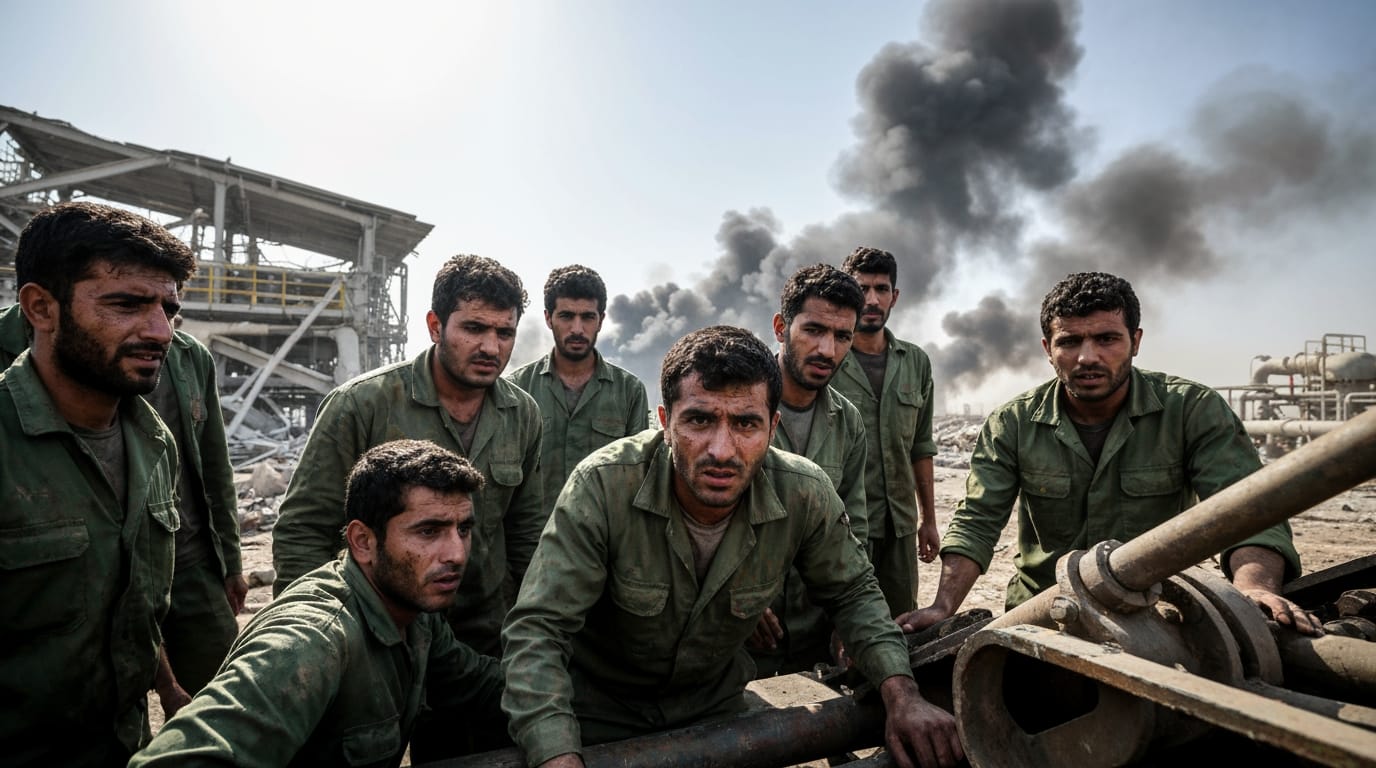
The South Pars gas field, an colossal undersea reservoir lying beneath the Persian Gulf, has emerged as a critical flashpoint in the escalating regional conflict, its immense energy wealth making it both an economic lifeline and a strategic vulnerability. Recent attacks on this vital infrastructure, alongside retaliatory strikes on neighboring energy hubs, have dramatically heightened global energy market anxieties and underscored the profound geopolitical significance of this shared natural resource. The field's centrality to Iran's economy and its intertwined nature with Qatar's energy exports mean that any disruption carries far-reaching consequences, extending from domestic Iranian stability to the fluctuating prices of global oil and gas.
The World's Largest Natural Gas Abundance
The South Pars gas field, known on the Qatari side as the North Dome, represents the largest natural gas field on the planet. This colossal shared reservoir is estimated to contain approximately one-third of the world's known natural gas reserves. For Iran, its portion of the field constitutes roughly 36% of its total proven gas reserves. Located near the Iranian coastal city of Asaluyeh, the field has been in production since 2002 and is the single most important source for the country's domestic energy needs. Its sheer scale means that disruptions here reverberate across global energy markets, impacting supply chains and pricing far beyond the Middle East.
Iran's Indispensable Energy Engine
For Iran, the South Pars field is more than just a gas source; it is the lynchpin of its national energy security and a significant contributor to its economy. The field accounts for an estimated 70% to 80% of Iran's total gas production and approximately 90% of its domestic energy consumption. This output directly fuels Iran's internal energy system, supplying power plants, providing residential heating, and supporting energy-intensive industries such as petrochemicals and manufacturing. Due to Western sanctions, Iran's ability to export gas is significantly limited, meaning the vast majority of its South Pars production is consumed domestically, with remaining exports primarily directed to Iraq and Turkey. This reliance on South Pars for internal stability means any threat to its operations poses an existential challenge to the nation's infrastructure and the daily lives of its citizens. The recent Israeli attack on March 18, 2026, which targeted onshore refinery units and gas storage tanks in Asaluyeh, as well as offshore facilities, reportedly affected about 12% of Iran's total gas production, halted output at two refineries, and disrupted gas supply to Iraq.
A New Chapter in Regional Conflict
The conflict has entered a more dangerous phase with the targeting of critical energy infrastructure, shifting from previous engagements that largely spared fossil fuel production sites. The attack on South Pars on March 18, 2026, marked the first instance of an actual fossil fuel production site being directly hit since the conflict began on February 28. This move by Israel, which officials indicated was coordinated with Washington, though U.S. President Donald Trump denied direct involvement, was seen as a strategic signal to Tehran amidst tensions over the Strait of Hormuz. Iran's swift retaliation saw missile and drone attacks launched against Saudi Arabia, the United Arab Emirates, and, notably, Qatar's Ras Laffan Industrial City, the world's largest liquefied natural gas (LNG) export facility. QatarEnergy confirmed "extensive damage" to critical processing units at Ras Laffan, which could reduce its processing capacity by about 17% and potentially result in a US$20 billion cut in revenue. This exchange of strikes on shared and adjacent energy infrastructure represents a significant escalation, underscoring the interconnectedness and vulnerability of the region's energy assets.
Global Ripples from a Regional Shockwave
The attacks on South Pars and Ras Laffan have sent shockwaves through global energy markets, driving up oil and natural gas prices. The targeting of Ras Laffan, which produces approximately 20% of global LNG supplies and is a primary source for Europe, has particularly dire implications for an already energy-insecure Europe that has increasingly relied on Qatari LNG to reduce its dependence on Russian gas. Beyond direct supply disruptions, the blockade of the Strait of Hormuz has further exacerbated the situation, impeding the flow of oil and gas from the Persian Gulf to international customers. The interconnectedness of these events paints a concerning picture for global energy security, with the potential for further retaliatory strikes on other key energy infrastructure, such as Saudi Arabia's Yanbu oil pipeline or Abu Dhabi's Habshan–Fujairah pipeline, which bypass the Strait of Hormuz, adding to the instability.
The Enduring Importance Amidst Volatility
The South Pars gas field remains an indispensable asset for Iran, underpinning its domestic energy supply and economic resilience, even as international sanctions limit its full potential for export. However, its shared nature with Qatar and its critical role in global energy markets have transformed it into a focal point of geopolitical contention. The recent targeting of this and other regional energy infrastructure marks a dangerous intensification of the conflict, with severe economic repercussions that extend globally. As the situation remains volatile, the world watches closely, understanding that the stability of the Persian Gulf's energy resources is intrinsically linked to broader international peace and economic prosperity.