Tensions Flare as Trump Postpones Strikes on Iranian Energy Sites Amid Strait of Hormuz Standoff
WASHINGTON D.C. — President Donald Trump announced a temporary postponement of planned military strikes against Iranian energy infrastructure on Monday, just hours after issuing an ultimatum threatening to "obliterate" the sites if Tehran did not reopen the critical Strait of Hormuz. The sudden de-escalation follows days of intensified conflict in the Middle East, which has seen Iranian attacks on regional energy facilities and a significant surge in global oil prices. The move has been met with a mix of relief and skepticism, as Iran's foreign ministry denied any bilateral talks were taking place, even while acknowledging messages received through intermediaries.
The latest developments underscore the precarious state of regional stability, as the "Iran war," now in its fourth week, continues to disrupt global energy markets and fuel geopolitical anxieties. While the immediate threat of U.S. military action against Iran's power grid appears to have receded for five days, the underlying tensions surrounding the Strait of Hormuz and Iran's strategic energy assets remain at a critical juncture.
The Strait of Hormuz: A Global Chokepoint Under Threat
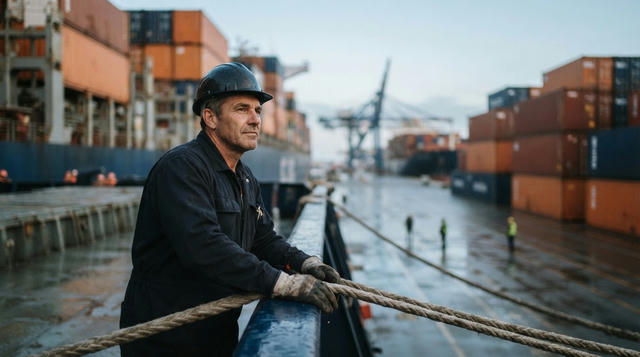
The escalating conflict has centered heavily on the Strait of Hormuz, a narrow maritime passage through which approximately one-fifth of the world's oil and a substantial portion of its liquefied natural gas shipments typically pass. Since late February, Iranian actions have effectively closed the strait to international shipping, leading to severe disruptions in global energy supplies. This closure prompted President Trump's initial threat, delivered via social media on Saturday, warning of strikes on Iranian power plants if the waterway was not fully reopened within 48 hours.
Iran's aggression in the strait and its retaliatory strikes against energy infrastructure in neighboring Gulf states have dramatically impacted world markets. Oil prices have surged by as much as 50 to 70 percent over the past month, with Brent crude nearing $119 per barrel and West Texas Intermediate exceeding $84 per barrel. These attacks included targeting Qatar's Ras Laffan energy hub, a Saudi refinery, and Kuwaiti refineries, reportedly in response to an Israeli strike on Iran's crucial South Pars gas field. The International Energy Agency (IEA) has warned that the current crisis is "very severe," potentially surpassing the energy shocks of the 1970s.
Trump's Ultimatum and the Sudden Pause
President Trump's ultimatum on Saturday was explicit, stating the United States would "obliterate" Iranian power plants, "starting with the biggest one first," if the Strait of Hormuz was not completely and safely reopened. This declaration was met with immediate and forceful responses from Tehran. The Islamic Revolutionary Guard Corps (IRGC) vowed to "completely close" the Strait of Hormuz indefinitely if Iran's energy infrastructure were attacked, promising it would not reopen until damaged facilities were rebuilt. Iranian officials also threatened to retaliate against U.S.-linked energy facilities and vital infrastructure across the region, including power plants and water desalination facilities in Gulf nations.
However, by Monday morning, President Trump announced a significant shift, stating he was postponing "any and all military strikes against Iranian power plants and energy infrastructure for a five-day period." He attributed this decision to "very good and productive conversations regarding a complete and total resolution of our hostilities in the Middle East." Despite Trump's claims of productive talks, Iran's foreign ministry promptly denied that any bilateral negotiations had occurred. Conversely, some Iranian officials indicated that messages had been received from the U.S. through mediators, which were under review. German Chancellor Friedrich Merz expressed gratitude for Trump's decision to delay the strikes, highlighting international concerns over the potential for wider conflict.
Adding complexity to the situation, reports emerged that US and Israeli forces had carried out strikes targeting Iranian energy infrastructure in Isfahan and Khorramshahr hours after Trump's announced pause. These strikes reportedly caused material damage to facilities and residential areas, though no casualties were reported. Iran has warned of strong and immediate retaliation for any further targeting of its infrastructure.
Iran's Energy Sector: A Dual-Edged Sword
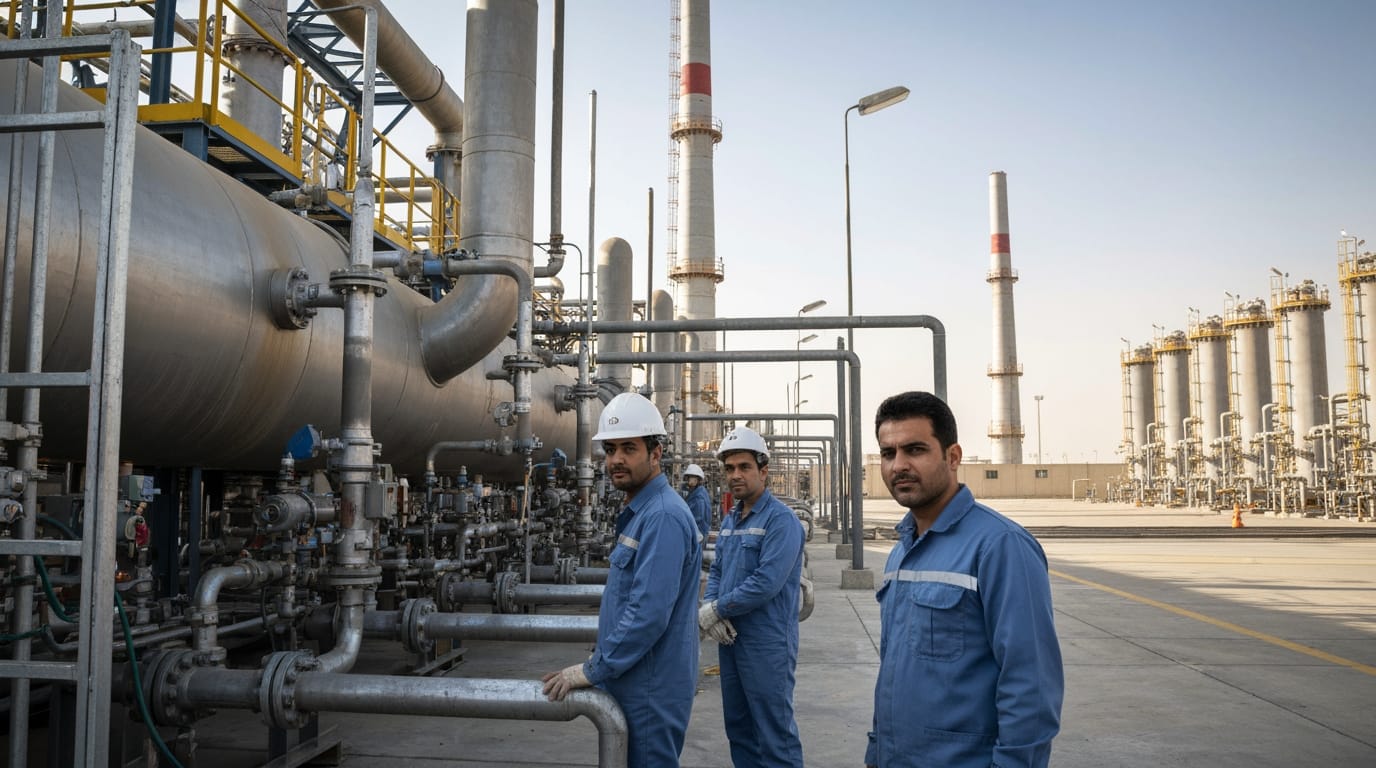
Iran possesses immense hydrocarbon wealth, holding the world's fourth-largest proven oil reserves and the second-largest natural gas reserves. This vast energy sector is the lifeblood of the Iranian economy, serving as the primary source of government revenue, foreign currency earnings, and a major employer. However, decades of mismanagement, international sanctions, and underinvestment have left much of this critical infrastructure vulnerable.
Experts note that Iran's electricity grid, heavily reliant on natural gas-fired thermal plants, is decentralized, making a complete nationwide blackout difficult to achieve with a limited number of strikes. Nevertheless, direct attacks on energy facilities could trigger widespread blackouts, disrupt essential services like water treatment, and potentially spark significant public unrest. The Israeli strike on two key gas pipelines in February 2024 served as a stark reminder of these vulnerabilities. The potential for such disruptions forms a significant part of the leverage in the ongoing standoff, with both sides keenly aware of the severe domestic and international repercussions of targeting these vital assets.
Global Repercussions and Economic Fallout
The escalating crisis has already triggered significant economic fallout beyond soaring oil prices. In an effort to stabilize markets and curb rising costs, the Trump administration temporarily lifted sanctions on Iranian crude oil shipments for a month, allowing oil loaded between March 20 and April 19 to be purchased and offloaded. This move, intended to inject approximately 140 million barrels into global markets, aims to alleviate "temporary pressures on supply caused by Iran." However, the impact on everyday consumers has been substantial, with U.S. gasoline prices jumping by nearly a dollar per gallon in less than a month.
Internationally, there are widespread calls for de-escalation. Russia has voiced concerns about strikes near Iran's Bushehr nuclear plant, emphasizing the potential for "irreparable consequences." Warnings have also been issued about attacks on civilian infrastructure constituting war crimes under international humanitarian law. The severe energy crisis highlights global dependencies, particularly for countries in Asia that rely heavily on Middle Eastern energy supplies, urging a rethinking of energy security strategies.
A Fragile Calm in a Volatile Region
As the five-day pause on direct military strikes against Iran's energy infrastructure takes effect, the Middle East remains a crucible of high-stakes geopolitical maneuvering. While President Trump cites "productive conversations," Iran's public denial of direct talks introduces an element of uncertainty, suggesting that any de-escalation may be more a tactical pause than a fundamental shift. The reported strikes on Iranian energy sites hours after Trump's announcement further complicate the narrative, raising questions about the true extent and nature of any agreements.
The immediate future hinges on whether diplomatic efforts, however indirect, can translate into tangible progress in reopening the Strait of Hormuz and reining in the broader conflict. With Iran's critical energy sites remaining a potential target, and Tehran threatening widespread regional retaliation, the specter of a devastating expansion of hostilities continues to loom large over an already volatile global landscape.