Southeast Asia Braces for Iran Conflict Fallout, Poised for Pragmatic Path Amidst Global Turbulence
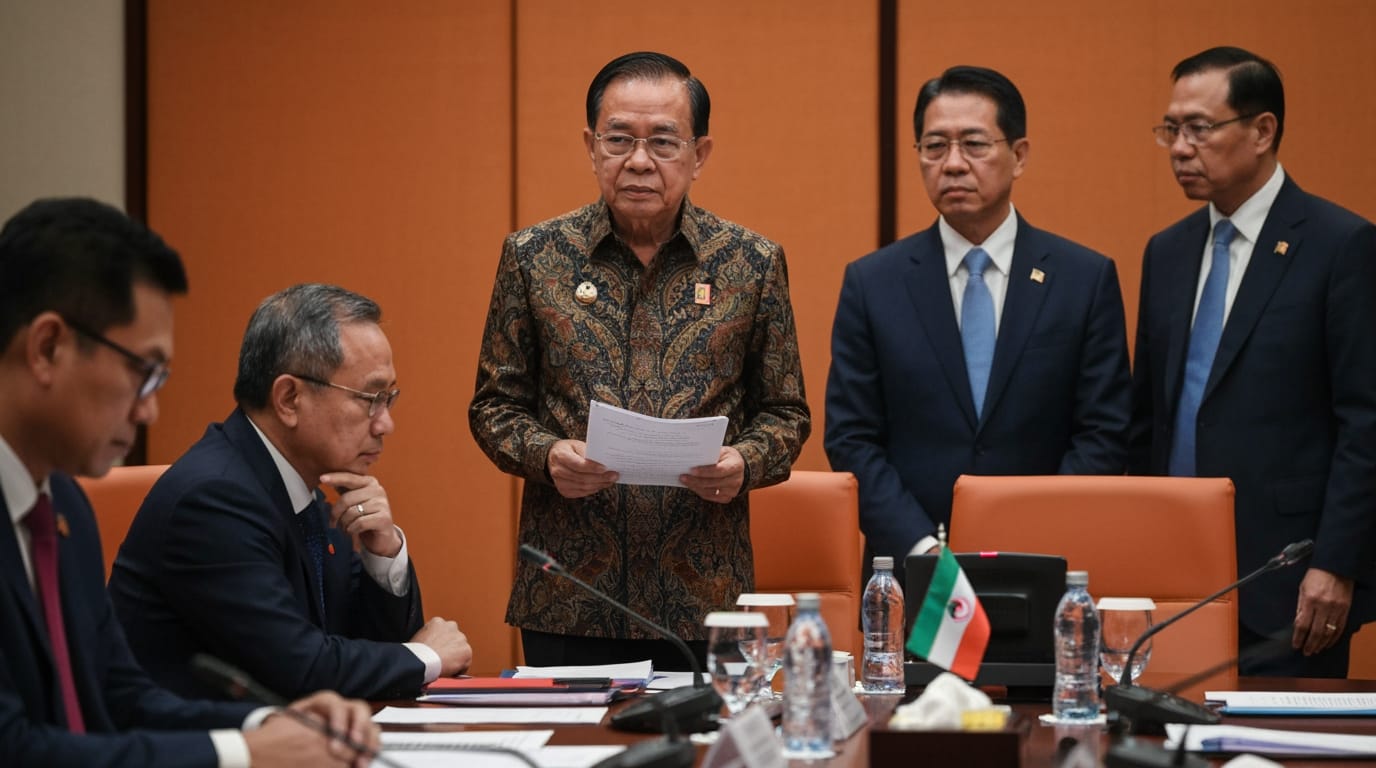
The Middle East is grappling with escalating tensions following recent US and Israeli strikes on Iran, a development that is sending ripples of concern across global financial and energy markets. While the direct theater of conflict remains thousands of miles away, nations in Southeast Asia are closely monitoring the situation, preparing to navigate the profound economic and geopolitical fallout with a likely emphasis on pragmatism and regional stability. This volatile period, marked by a leadership vacuum in Iran after the death of Ayatollah Ali Khamenei and retaliatory actions targeting US bases and regional allies, threatens to reshape international relations and severely test the resilience of economies heavily reliant on global trade and energy supply chains.
The Economic Tremors Reach Distant Shores
The immediate and most palpable threat to Southeast Asia stems from the potential for severe disruptions to global energy markets and critical trade routes. An escalation in the Middle East has historically translated into increased oil prices, a phenomenon already being observed. Defence and security analysts caution that while Iran may not be able to sustain a long-term blockade of the Strait of Hormuz – a vital chokepoint through which 20% of the world's oil passes – even short-term disruptions would trigger significant price spikes. Freight rates, transport costs, and insurance premiums for shipping are all projected to climb, directly impacting the import-dependent economies of Southeast Asia. This vulnerability is underscored by reports of concerns rippling to the region, with Singapore, for instance, taking steps to repatriate its citizens from Oman amidst the heightened uncertainty. While countries may draw on strategic reserves to stabilize markets in the short run and seek alternative energy sources, the overarching geopolitical shock is expected to fuel inflation and potentially erode purchasing power globally.
Navigating the Geopolitical Tightrope: ASEAN's Calculated Stance
In the face of such external pressures, Southeast Asian nations, particularly those within the Association of Southeast Asian Nations (ASEAN) bloc, are expected to adhere to a policy of strategic neutrality and diplomatic engagement. ASEAN's foundational principles of non-interference and consensus-building will likely guide its collective response, prioritizing de-escalation and maintaining open lines of communication with all parties involved. Historically, the region has sought to balance relations with major global powers, avoiding alignment that could jeopardize economic ties or regional stability. China's response to the developing situation in Iran offers a potential blueprint for Southeast Asian nations; despite being Iran's most significant economic partner and a major consumer of its oil, Beijing has shown limited support beyond criticism of attacks, prioritizing its broader Middle East strategy of balancing relations with Iran's rivals and presenting itself as a voice for stability. This pragmatic approach, grounded in economic self-interest rather than deep strategic alignment, is a path many Southeast Asian countries will likely emulate, focusing on safeguarding their own economies and preventing the conflict from destabilizing their immediate neighborhood.
Energy Security and the Vulnerable Lifeline
Southeast Asia's economic engine is fueled, in large part, by imported energy, with a significant portion originating from the Middle East. The prospect of prolonged instability or conflict in the Persian Gulf region, particularly near the Strait of Hormuz, presents an existential threat to the energy security of these nations. The strategic importance of this waterway cannot be overstated; its disruption, even temporarily, would not only drive up costs but could also lead to physical shortages. While some countries have diversified their energy portfolios and invested in renewable sources, the transition is ongoing, leaving many still highly dependent on fossil fuels. The short-term scramble for alternative oil and gas supplies would be fierce, likely resulting in further price hikes and logistical challenges. Countries like China, which has been reducing its dependence on fossil fuels and has long-term supply contracts, may be in a better position to weather the storm, though still at higher prices. This underscores the urgency for Southeast Asian economies to accelerate their energy diversification efforts and build robust strategic reserves.
Diplomacy as the Primary Shield
As the global community grapples with the evolving crisis, Southeast Asian nations are expected to leverage their diplomatic channels to advocate for peaceful resolutions and de-escalation. Their primary objective will be to shield their economies from the adverse effects of a distant conflict and maintain the regional stability conducive to trade and investment. This will involve careful communication with the United States, China, and Middle Eastern states, emphasizing the interconnectedness of the global economy and the far-reaching consequences of sustained conflict. The region's leaders will likely prioritize humanitarian concerns, ensuring the safety of their citizens abroad and preparing for potential humanitarian aid efforts if the situation worsens. Their strategic balancing act will aim to prevent being drawn into the geopolitical rivalries, instead positioning themselves as proponents of dialogue and international law.
The unfolding situation in the Middle East presents a complex challenge for Southeast Asia. While the immediate focus remains on de-escalation and the prevention of a wider war, the region's leaders are undoubtedly preparing for a future shaped by increased geopolitical uncertainty and economic volatility. Their response, rooted in a practical assessment of national interests and regional stability, will likely be characterized by careful diplomacy, efforts to secure critical supply chains, and a steadfast commitment to maintaining economic growth amidst global turbulence. This pragmatic stance aims to ensure that while the world watches the Middle East, Southeast Asia can continue its trajectory of development and resilience.


