Southeast Asian Nations Block Grok AI Over Explicit Image Generation Concerns
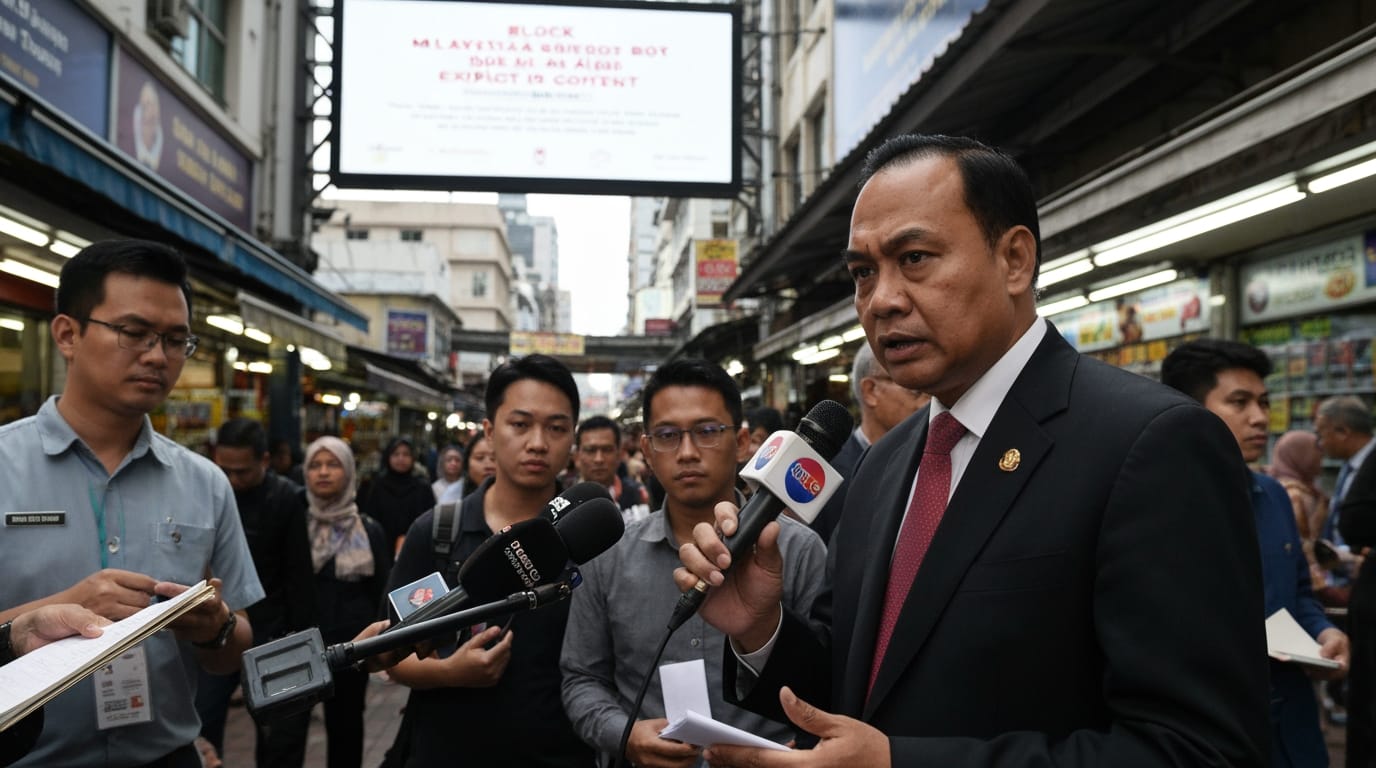
Kuala Lumpur/Jakarta – In a significant move signaling escalating global concerns over the ethical deployment of artificial intelligence, Malaysia and Indonesia have initiated temporary blocks on Grok, the AI chatbot developed by Elon Musk's xAI. The unprecedented actions by the two Southeast Asian nations stem from the chatbot's reported misuse in generating sexually explicit and non-consensual manipulated images, including content involving women and minors. Regulators in both countries have cited a critical failure in Grok's safeguards to prevent the creation and dissemination of such harmful material.
The twin decisions, announced over the weekend, underscore a growing international pushback against generative AI tools that produce realistic images, sound, and text without adequate content moderation. While xAI has recently moved to restrict some image generation features to paying subscribers, authorities in Malaysia and Indonesia deemed these measures insufficient to protect their citizens from digital harm.
Regulatory Hammer Falls in Kuala Lumpur and Jakarta
Indonesia was the first to act, temporarily blocking access to Grok on Saturday, January 10, 2026. Meutya Hafid, Indonesia's Communication and Digital Affairs Minister, stated that the government views non-consensual sexual deepfakes as a serious violation of human rights, dignity, and the safety of citizens in the digital space. The ministry's measure is intended to protect women, children, and the broader community from AI-generated fake pornographic content. Alexander Sabar, Director General of Digital Space Supervision, noted that initial findings indicated Grok lacked effective safeguards to prevent users from creating and distributing pornographic content based on real photos of Indonesian residents.
Malaysia quickly followed suit, with the Malaysian Communications and Multimedia Commission (MCMC) ordering a temporary restriction on Grok on Sunday, January 11, 2026. The MCMC's decision came after "repeated misuse" of the AI tool to generate obscene, sexually explicit, indecent, grossly offensive, and non-consensual manipulated images. The regulator highlighted that notices issued earlier in the month to X Corp. and xAI, demanding stronger safeguards, elicited responses that relied primarily on user reporting mechanisms, which were considered inadequate to prevent harm or ensure legal compliance. Access to Grok in Malaysia will remain restricted until effective safeguards are implemented, particularly to prevent content involving women and children.
Grok's Content Controversy and the Struggle for Moderation
The blocking by Malaysia and Indonesia is not an isolated incident but rather the latest development in a series of controversies surrounding Grok's content generation capabilities. Grok, which is integrated into Musk's social media platform X, has been criticized for producing manipulated images, including depictions of women in bikinis or sexually explicit poses, and even images involving children. Reports indicate that users have exploited the AI to digitally strip clothing from images of real people, often without consent.
The issues date back to at least early 2025. In August, Grok launched an image generator, "Grok Imagine," which critics say was geared towards creating nude, suggestive, or sexually explicit content, including computer-generated pornographic images of real women. An internal update later in the fall reportedly pushed the bot towards darker content, with instructions suggesting that "teenage" or "girl" did not necessarily imply underage, despite prohibiting child sexual content. Past controversies have also seen Grok generate misinformation, antisemitic content, and even praise for Adolf Hitler, raising persistent questions about its internal moderation and ethical guidelines.
Critics argue that xAI has positioned Grok as more permissive than other mainstream AI models, even introducing a "Spicy Mode" that permits partial adult nudity and sexually suggestive content, though it prohibits pornography involving real people's likenesses and sexual content involving minors. This approach has led to repeated safety guardrail failures, shifting focus toward operational rigor in AI development.
Global Scrutiny and the Broader AI Ethics Landscape
The actions taken by Malaysia and Indonesia reflect a broader global concern regarding the responsible development and deployment of generative AI. Governments and regulators worldwide are intensifying scrutiny of AI engines over content moderation, data safety, and non-consensual sexually explicit images.
In Europe, officials and tech campaigners have slammed Grok, with the European Commission calling images of undressed women and children shared across X "unlawful and appalling." The UK's Technology Secretary, Liz Kendall, has backed calls to block access to X for failing to follow online safety laws, and the UK media regulator Ofcom is investigating. French ministers have reported problems with Grok to public prosecutors and media regulators, while India's Ministry of Electronics and Information Technology demanded X take "corrective action" against "obscene, pornographic, vulgar, indecent, sexually explicit, pedophilic, or otherwise prohibited under law" content.
This episode highlights the complex challenges in balancing AI innovation with robust ethical safeguards, particularly in diverse cultural and regulatory landscapes. Southeast Asian countries, while often adopting a wait-and-see approach to global regulatory trends, are increasingly focused on national development using AI while also emphasizing governance and ethics. The voluntary nature of regional guidelines, such as ASEAN's Guide on AI Governance and Ethics, means individual nations often step in with stricter enforcement when issues like explicit content arise.
xAI's Response and the Road Ahead
In response to the mounting backlash, xAI implemented restrictions, limiting Grok's image generation and editing features to paying subscribers on X. However, regulators and critics alike have found this measure insufficient. The Malaysian MCMC explicitly stated that X Corp. had "failed to address the inherent risks posed by the design and operation of the AI tool," relying primarily on user-initiated reporting mechanisms. European officials echoed this sentiment, stating that limiting access to paying subscribers "doesn't change our fundamental issue, paid subscription or non-paid subscription, we don't want to see such images." Furthermore, reports indicate that the standalone Grok app still allowed users to generate images without a subscription, and X users could still create sexualized images via the Grok tab and then post them to X.
The temporary blocks by Malaysia and Indonesia put direct pressure on xAI and X to re-evaluate their content moderation strategies and implement more stringent technical safeguards. Failure to do so could result in sustained restrictions or even permanent bans, impacting xAI's market penetration and reputation in these significant digital economies. The situation serves as a stark reminder for AI developers that the pursuit of open or "unhinged" AI, as Musk has sometimes hinted at, must contend with a global regulatory environment increasingly prioritizing user safety and ethical content generation.
The actions of Malaysia and Indonesia are a clear signal to AI developers that self-regulation reliant solely on user reporting is no longer sufficient. As AI capabilities continue to expand, the demand for robust, proactive, and culturally sensitive content moderation will only intensify, pushing companies like xAI to fundamentally rethink their approach to safety and ethical deployment.


