Spain Prepares for Hantavirus-Hit Cruise Ship in Canary Islands Amid International Health Scrutiny
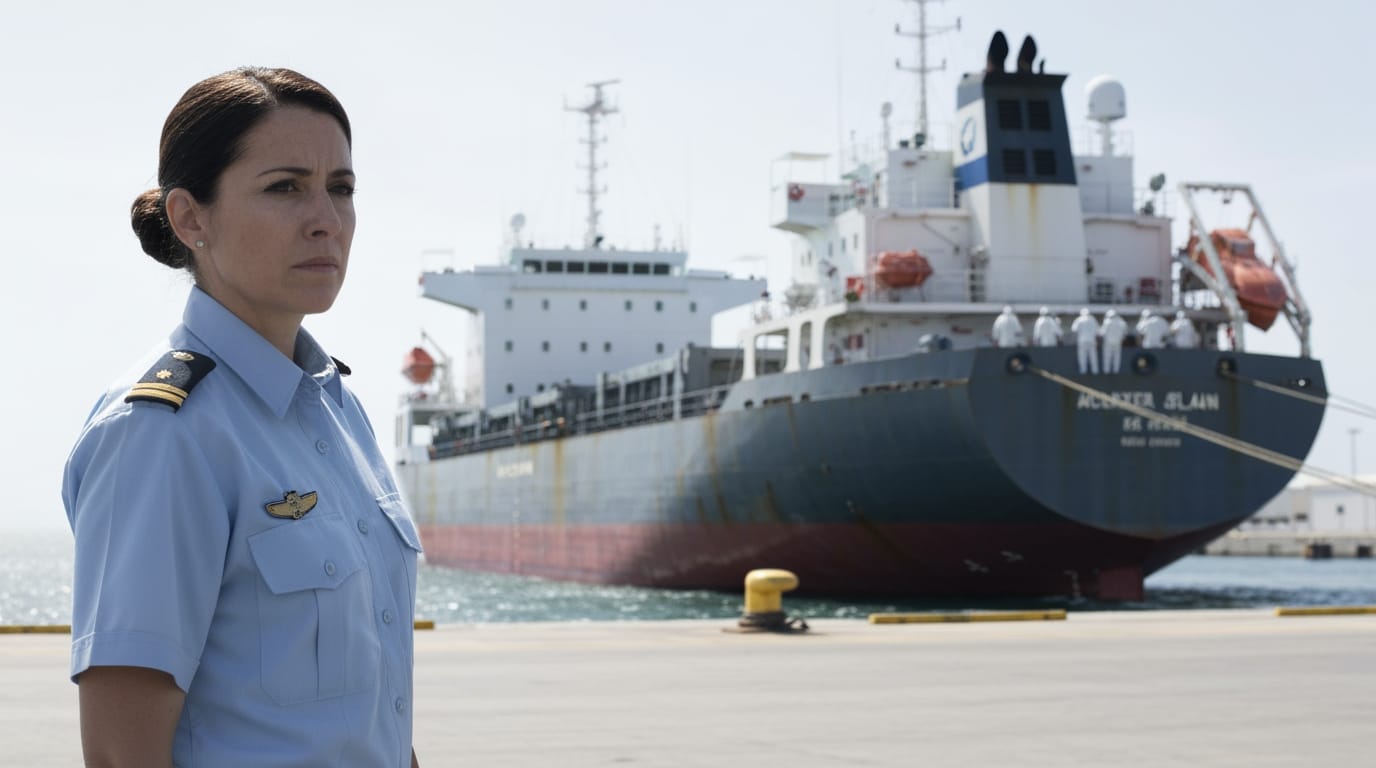
Madrid, Spain – Spanish authorities are preparing for the arrival of the MV Hondius, an expedition cruise ship affected by a hantavirus outbreak that has claimed three lives, in the Canary Islands. The decision, announced Tuesday, underscores a complex humanitarian and public health challenge as the World Health Organization (WHO) coordinates an international response to contain the rare and potentially deadly viral disease. The vessel, currently anchored off Cape Verde after being denied entry, carries 149 passengers and crew, some of whom are Spanish citizens, highlighting the global interconnectedness of health crises.
A Troubled Voyage: Outbreak and Fatalities at Sea
The MV Hondius, operated by Oceanwide Expeditions and sailing under the Dutch flag, departed Ushuaia, Argentina, on April 1 for an extended repositioning cruise following a season in Antarctica. The initial stages of the voyage progressed without overt incident, but a medical crisis began to unfold weeks later. On April 11, a passenger died on board under circumstances initially undetermined. The deceased individual was disembarked on St Helena on April 24, with their spouse accompanying the repatriation. Tragically, the spouse subsequently fell ill during the return journey and later died, with tests confirming a variant of hantavirus as the cause. A third person succumbed to the illness shortly before the ship reached Cape Verde on May 2.
In the wake of these deaths, the situation escalated. Seven suspected cases of hantavirus have been identified on the ship, with two confirmed instances of the virus. The evolving health situation prompted Cape Verde to deny the ship entry and disembarkation for public health reasons, leaving the MV Hondius in a holding pattern off its coast. Strict health and safety protocols have been implemented on board, including isolation measures, enhanced hygiene, and continuous medical monitoring. Passengers have reportedly been asked to remain in their cabins as disinfection procedures are carried out.
Spain's Humanitarian Imperative and Strategic Location
Spain's Health Ministry confirmed its commitment to receive the MV Hondius in the Canary Islands, citing both international law and humanitarian principles. This decision came after the World Health Organization acknowledged Cape Verde's inability to manage the complex medical operation required for the affected vessel. The Canary Islands, positioned off the northwest coast of Africa, represent the closest location with the necessary medical infrastructure and capabilities to handle such an intricate health emergency. Spanish officials also noted the presence of several Spanish citizens among the 149 individuals on board, further emphasizing their moral and legal obligation to assist.
Upon arrival in the Canary Islands, medical teams are poised to examine and treat all passengers and crew. The exact port of entry, likely either Las Palmas or Tenerife, will be determined based on ongoing epidemiological data and logistical assessments. This thorough screening will facilitate the transfer of individuals to their respective home countries and allow for a comprehensive epidemiological investigation and full disinfection of the ship. The Spanish Health Ministry clarified that an initial air evacuation of two symptomatic crew members (one British, one Dutch) and a close contact of a confirmed case from Cape Verde was a priority, to provide them with urgent medical care.
Demystifying Hantavirus: Transmission and Symptoms
Hantaviruses are a family of viruses primarily carried by rodents, such as mice and rats, and are transmitted to humans through contact with contaminated urine, droppings, or saliva. Infection most commonly occurs when individuals inhale airborne virus particles from disturbed rodent waste. While less common, transmission can also happen through direct contact of contaminated materials with broken skin, the eyes, or mouth, or rarely, via a rodent bite.
The symptoms of hantavirus infection often mimic influenza in its early stages, making diagnosis challenging. Initial symptoms, typically appearing 1 to 8 weeks after exposure (most commonly 2 to 3 weeks), include fever, muscle aches (especially in large muscle groups like thighs, hips, and back), fatigue, headaches, dizziness, and gastrointestinal issues such as stomach pain, nausea, vomiting, or diarrhea. As the disease progresses, usually 4 to 10 days after the onset of early symptoms, it can lead to severe respiratory distress, characterized by coughing, shortness of breath, and fluid accumulation in the lungs. This severe form, known as Hantavirus Pulmonary Syndrome (HPS) in the Americas, carries a significant mortality rate, estimated at 38%. Another form, Hemorrhagic Fever with Renal Syndrome (HFRS), primarily affects the kidneys and is found mostly in Europe and Asia.
Crucially, most hantaviruses are not known to spread from person to person. However, the Andes virus strain, found in South America, is a rare exception where limited human-to-human transmission among very close contacts has been documented. The specific hantavirus strain involved in the current outbreak on the MV Hondius has not yet been definitively confirmed, prompting the World Health Organization to assume possible human-to-human transmission as a precaution, given the close quarters on a ship. Despite this, health authorities emphasize that the risk to the general public remains low.
International Coordination and Future Steps
The World Health Organization is playing a pivotal role in coordinating the international response, which encompasses in-depth epidemiological investigations, laboratory testing, and genetic sequencing of the virus to determine its specific strain and origin. The ongoing efforts aim to fully understand the contagion's source and assess any potential wider risks.
Maritime law and international health regulations mandate strict protocols for managing infectious diseases on board ships. Vessels are required to report any suspected illnesses to port health authorities, and rigorous inspections and sanitation measures are standard practice to prevent the spread of diseases. The cooperation between Oceanwide Expeditions, the WHO, and Spanish health authorities highlights the complex framework necessary to manage such incidents. Following the air evacuation of the most critical cases, the MV Hondius will proceed to the Canary Islands, a journey expected to take approximately three days. There, a thorough assessment of all remaining individuals will be conducted, along with comprehensive disinfection efforts, before passengers and crew can be repatriated to their home countries.
Conclusion
The impending arrival of the MV Hondius in the Canary Islands marks a critical juncture in a challenging public health event at sea. Spain's decision to accept the hantavirus-hit vessel, driven by humanitarian concerns and international obligations, underscores the global responsibility in managing infectious disease outbreaks. While the presence of hantavirus and the confirmed fatalities are serious, public health officials emphasize that the overall risk to the broader population is low, particularly as the virus is not typically transmitted between humans. The concerted efforts of international health organizations and national authorities are focused on ensuring the well-being of those on board, conducting thorough investigations, and implementing stringent measures to contain the outbreak, thereby safeguarding public health on land.


