Spain Transforms Public Buildings into Climate Shelters as Summer Heat Intensifies
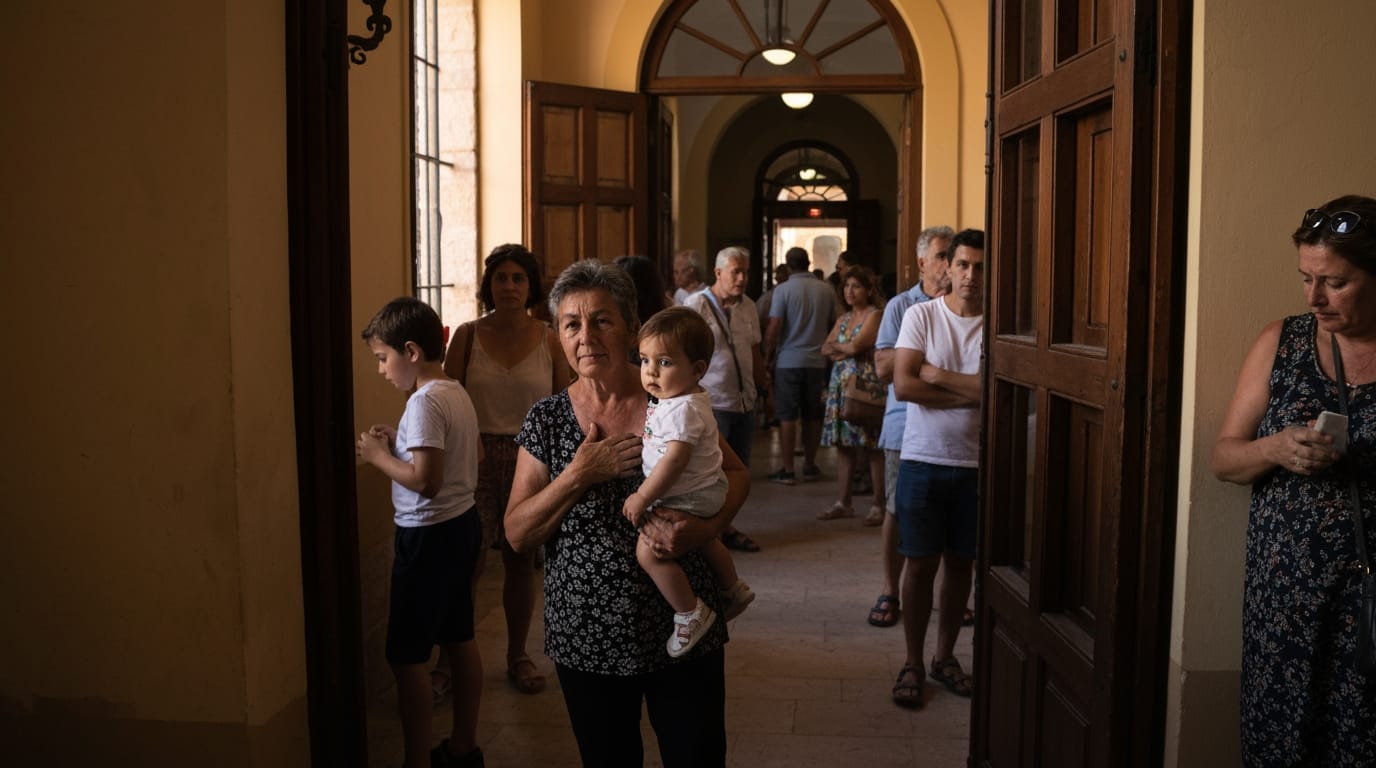
MADRID, Spain – As Spain braces for increasingly severe and frequent summer heatwaves, the nation is proactively converting a network of public buildings into "climate shelters" to provide respite and safeguard its citizens from the escalating health risks of extreme temperatures. This initiative represents a critical adaptation strategy in a country grappling with record-breaking heat and a significant toll on public health.
The move comes as Spain experiences some of the most intense heatwaves in Europe, leading to thousands of heat-related deaths annually and placing immense strain on healthcare systems. The establishment of these accessible, cooled spaces reflects a growing recognition of climate change's immediate and tangible impacts on urban populations, prompting a shift towards direct intervention and preventative measures.
The Escalating Threat of Extreme Heat
Spain has endured some of its hottest summers on record, with temperatures frequently soaring above 40 degrees Celsius (104 degrees Fahrenheit). The consequences have been stark, with heat-related mortality increasing dramatically. In 2025 alone, heatwaves caused 1,180 deaths between May 16 and July 13, a sharp increase from the previous year. By the end of September 2025, the number of heat-related deaths had climbed to 3,832, an 87.6 percent increase from the same period in 2024. The Carlos III Health Institute, a public health agency, attributed over 1,100 excess deaths to a single 16-day heatwave in August. Spain now ranks first among European countries for the highest increase in heat-related mortality this century.
These rising temperatures pose a severe threat, especially to vulnerable populations. Nearly two-thirds of the fatalities involved individuals over 85, and almost 96 percent were over 65. Beyond the elderly, those with chronic illnesses, disabilities, low incomes, or living in homes without air conditioning are disproportionately affected. The effects extend beyond physical health, with research suggesting a significant impact on mental well-being, potentially increasing the risk of psychological disorders. Urban areas, prone to the "heat island effect" where concrete and buildings absorb and retain heat, exacerbate these dangers, making cities considerably hotter than surrounding rural areas.
A Network of Urban Oases
In response to this escalating crisis, Spanish cities are rapidly expanding their networks of climate shelters. These designated public spaces offer immediate relief from the oppressive heat, serving as critical havens for residents. The types of facilities being utilized are diverse, including civic centers, libraries, museums, cultural halls, municipal swimming pools, and even schools. Many of these locations are already public infrastructure, now officially designated and enhanced for their cooling function.
The climate shelters are equipped with essential amenities designed to provide comfort and safety. They typically feature shaded areas, comfortable benches for resting, free access to drinking water, and air conditioning to maintain a comfortable internal temperature, often around 27 degrees Celsius (80.6 degrees Fahrenheit). This ensures that individuals, particularly those most susceptible to heat stress, can find a safe environment during the hottest parts of the day. The activation period for these shelters generally runs from June 15 to September 15, aligning with the peak summer months.
Cities like Barcelona and Madrid have been at the forefront of this initiative. Barcelona, for instance, has significantly expanded its network, with 368 locations available in the summer of 2024. The city's goal is to ensure that 97 percent of its population lives within a 10-minute walk of a climate shelter, with an ambitious target of a five-minute walk for everyone by 2030. Madrid has also reinforced its network, integrating public and private spaces and introducing initiatives like reduced-price cinemas in the afternoons to encourage use.
Protecting the Most Vulnerable
A core objective of the climate shelter program is to prioritize the protection of Spain's most vulnerable populations. Recognizing that the elderly, people with disabilities, and low-income communities are disproportionately affected by heat, the strategic placement and accessibility of these shelters are paramount. Efforts are focused on establishing shelters in neighborhoods with less coverage and higher concentrations of at-risk residents.
Beyond providing physical relief, these shelters address broader social determinants of heat vulnerability. For many, the ability to cool down is not just about comfort but about survival, especially for those who lack air conditioning or cannot afford to operate it due to high electricity costs. By offering free and accessible cool spaces, the initiative helps mitigate the "harvest effect" of early heatwaves, which disproportionately claim the lives of the frailest individuals. The program also recognizes that isolation can amplify heat risks, making community-based shelters crucial for social connection and support during extreme weather events.
A Broader Climate Adaptation Strategy
The establishment of climate shelters is an integral part of Spain's broader commitment to climate change adaptation. The country developed its first National Climate Change Adaptation Plan from 2006 to 2020, followed by a second plan for 2021-2030, which aims to promote coordinated action against climate change effects and build a more resilient society. This national framework encourages provincial and municipal decision-makers to implement their own strategies, with many Spanish cities developing local adaptation plans.
Alongside climate shelters, urban greening initiatives are gaining momentum as another vital component of adaptation. Projects such as Barcelona's "Superilles" (superblocks), Madrid's renaturation of the Manzanares River, and the creation of urban gardens and green spaces aim to reduce urban heat islands, improve air quality, and enhance biodiversity. The Spanish government has promoted significant aid for these projects, recognizing the crucial role cities play in both mitigation and adaptation strategies. Regions like Biscay, encompassing Bilbao, are also implementing comprehensive, tech-enabled climate adaptation strategies that include climate shelters, green infrastructure, and predictive tools.
Conclusion
Spain's proactive strategy of transforming public buildings into climate shelters underscores a growing urgency to adapt to the realities of a changing climate. By providing essential, accessible, and cooled spaces, the nation is taking tangible steps to protect its citizens, particularly the most vulnerable, from the immediate dangers of extreme heat. This initiative, integrated within a broader national adaptation framework and complemented by urban greening efforts, highlights a comprehensive approach to building climate resilience. As heatwaves intensify globally, Spain's commitment to creating urban oases offers a vital model for other nations confronting similar challenges in a warming world.


